The key points
- Compare capture coverage, depth and alignment alongside width.
- Nominal matching sizes do not confirm an installation match.
- Use both appliance manuals for the approved mounting arrangement.
Start with coverage rather than matching labels
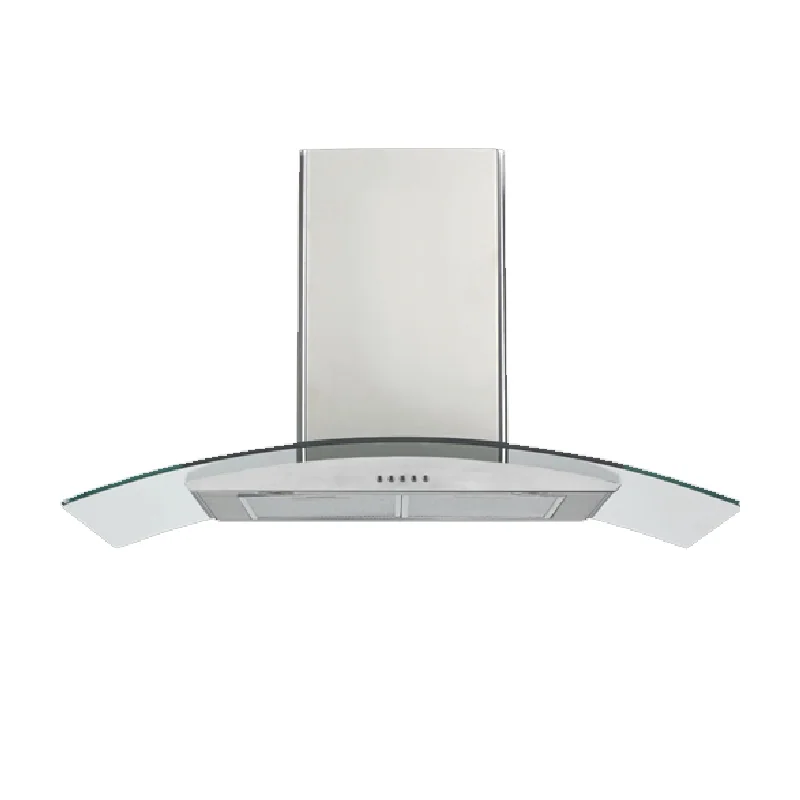
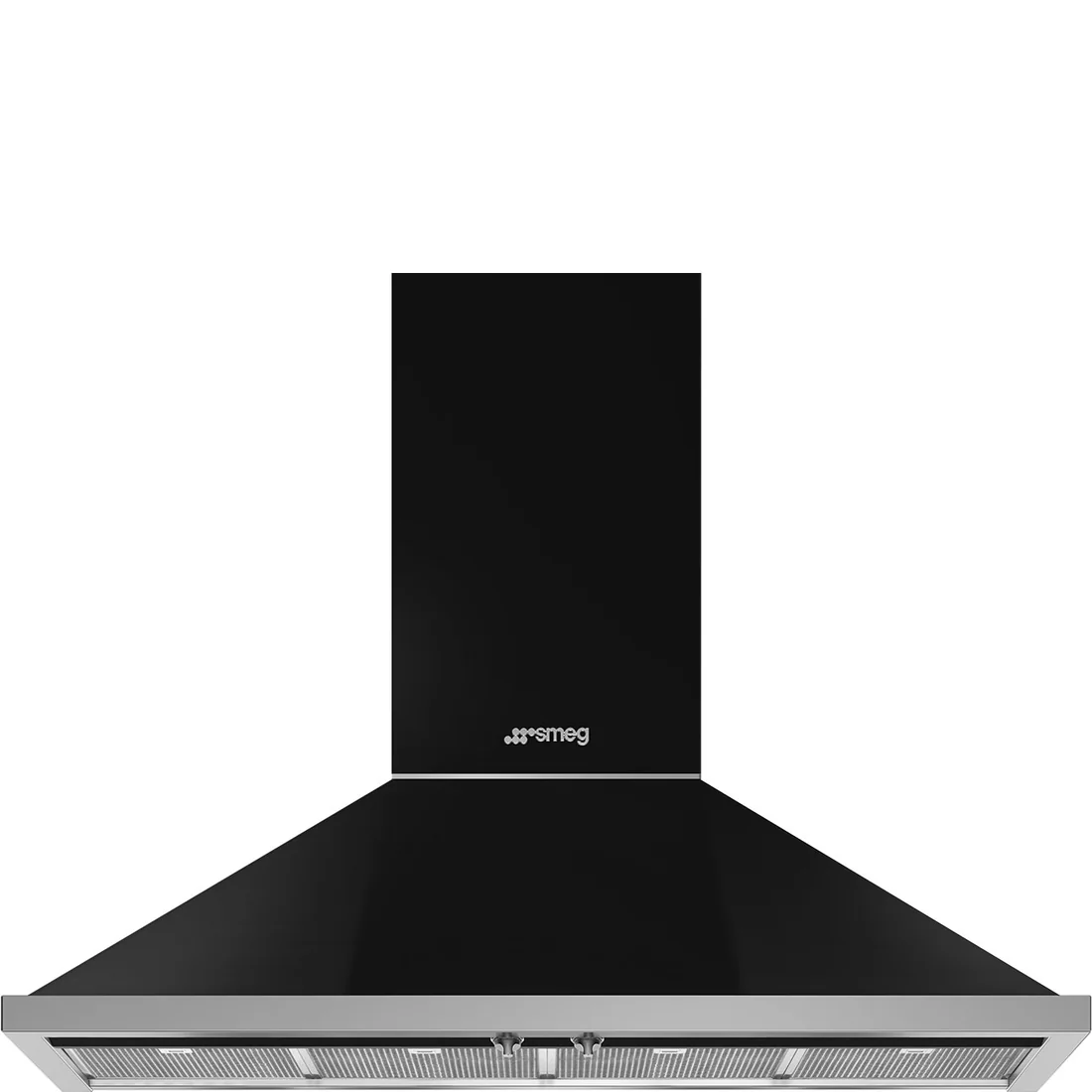
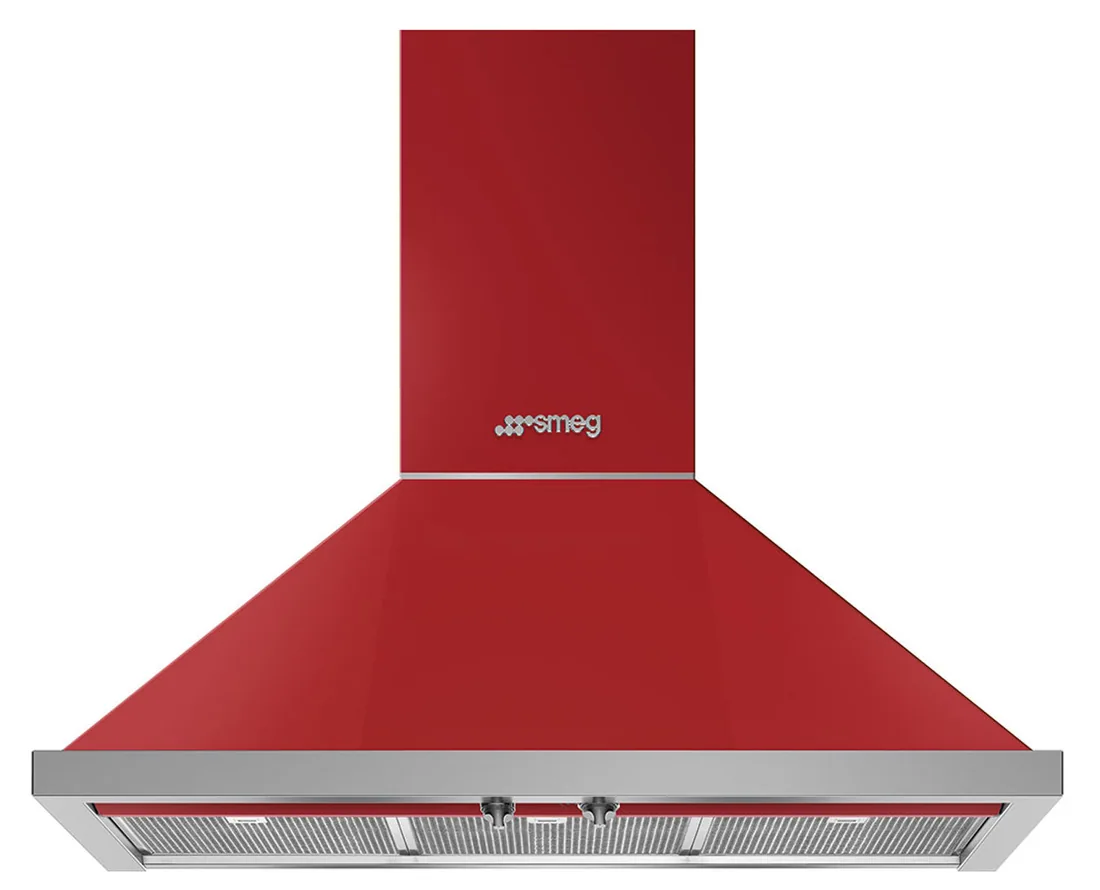
Comparing a hood at least as wide as the cooking area is a useful starting point for conventional overhead designs, but it is not the complete selection rule for every product. Integrated inserts, ceiling systems and other specialised designs need the manufacturer's compatibility guidance. Nominal size labels alone do not establish useful capture coverage.
Read the overall dimensions and the extraction arrangement on the actual drawing. Check the relationship to all cooking positions, including front burners and any offset wok burner. A neatly aligned cabinet front can hide a different arrangement underneath, so assess the working components rather than just the visible trim.
Check depth and alignment in the plan
A wide but shallow hood and a deeper canopy can occupy different parts of the cooking area. Ask the installer how the proposed design is intended to sit relative to the cooktop. Include the cooktop's position within the benchtop, the splashback and any cupboard projection when comparing the two appliances.
Make a simple plan showing the cooktop and hood centre lines, their overall widths and depths, and the surrounding cabinets. This is useful communication for a quote, but it is not a mounting template. Do not scale holes or cutouts from a brochure image; the current installation instructions and physical appliance provide the relevant detail.
Use the exact mounting requirements
There is no single clearance figure to apply to all cooktop and rangehood combinations. The fuel, appliance design and surrounding surfaces can change the requirements. Have the qualified installer read both manuals and apply the relevant local requirements, including any minimum and maximum installation limits stated for the proposed arrangement.
Discuss headroom and reach at the same time. A position that feels more open may change capture performance or fall outside the approved installation range. Equally, choosing a hood only because it can sit higher can overlook access to controls and filters. Resolve these competing needs through the permitted design, not by adjusting a clearance informally.
Check the wider replacement work
If you are widening the cooktop, review the hood, duct route and nearby cupboards as one project. If you are replacing only the hood, check whether its body, outlet and flue suit the existing space. Keeping a familiar nominal width does not guarantee that brackets, cutouts or duct connections will match.
For a Value House rangehood, confirm the model, actual dimensions, condition and supplied components against its listing. Warranty details vary between items. Send the manual to your installer before arranging pickup by appointment, and settle any required cabinet or duct changes before treating the replacement as ready to fit.
Before you buy
- Compare overall hood and cooktop dimensions.
- Check front-zone and wok-burner coverage.
- Have both manuals reviewed by the installer.
- Confirm cabinet and duct changes before collection.
Sources & further reading
Prepared with AI assistance using the manufacturer and Australian guidance linked below. Check the exact model’s documentation when planning a purchase or installation.