The key points
- Choose the hood type alongside the cooktop position and air route.
- Allow space for extraction components and maintenance access.
- Check the exact cooktop and hood installation requirements together.
Match the mounting style to the cooking position
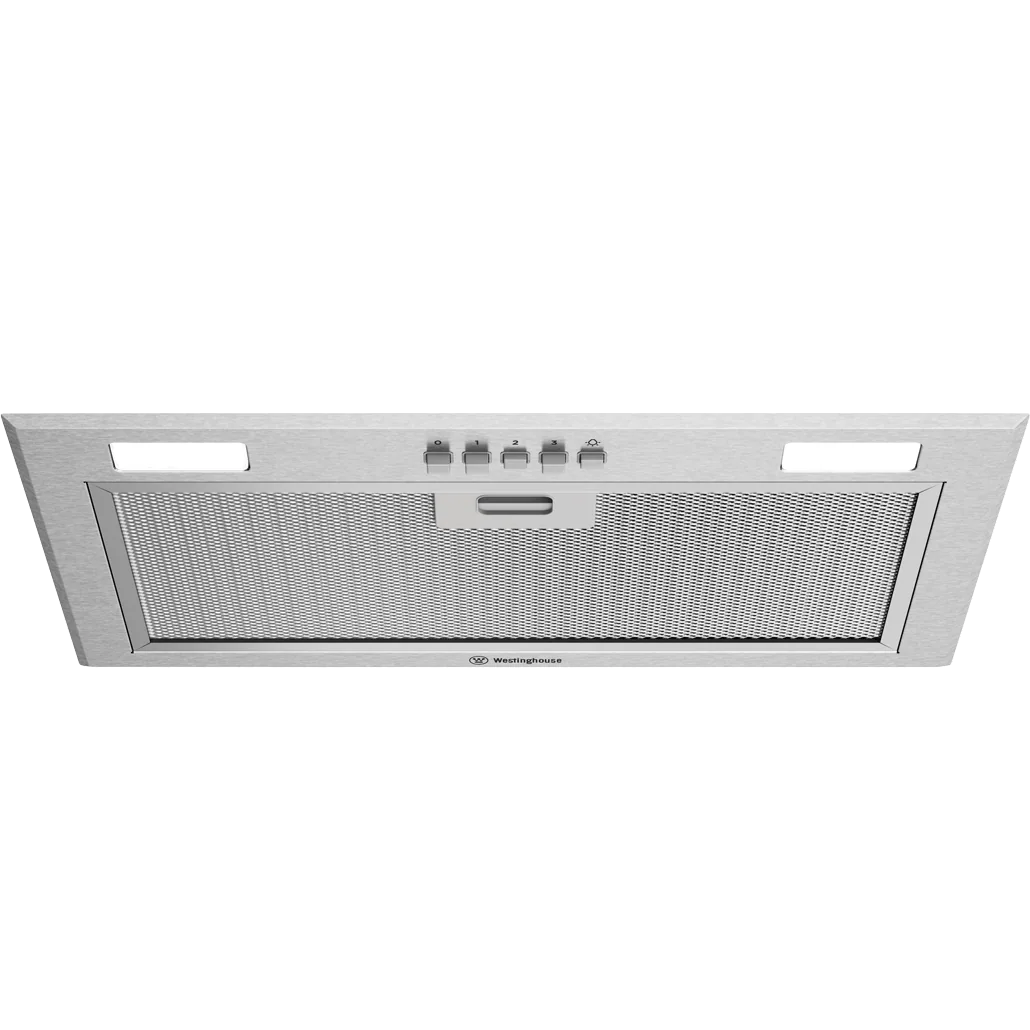
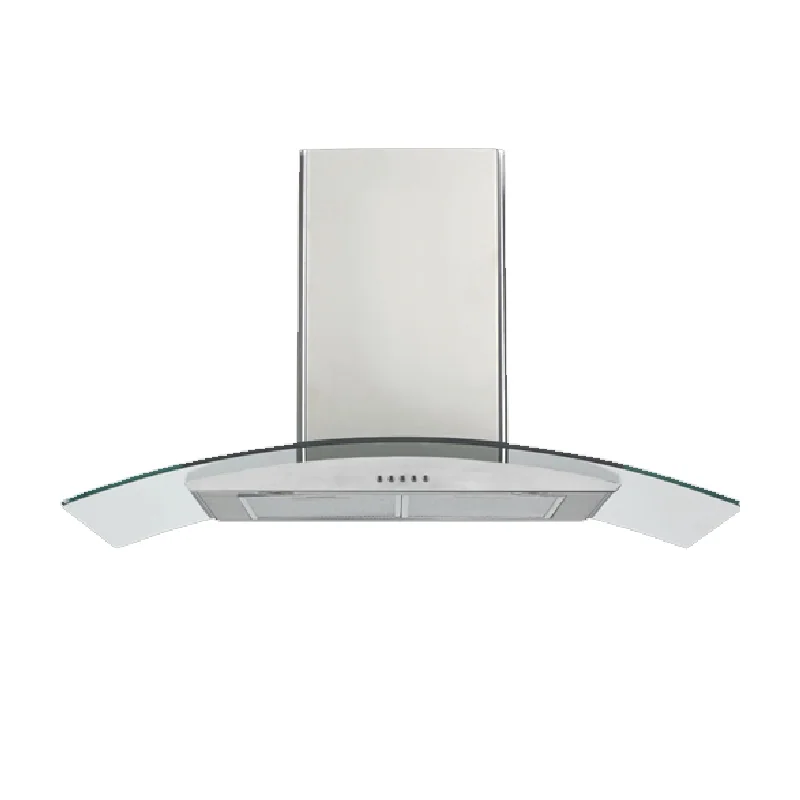
A wall-mounted canopy or chimney hood sits above a cooktop against a wall. An integrated insert fits into suitable cabinetry, while a slide-out model extends a section for use. These formats create different visual effects and have different cabinet and installation requirements, so compare the actual design rather than relying on the category name alone.
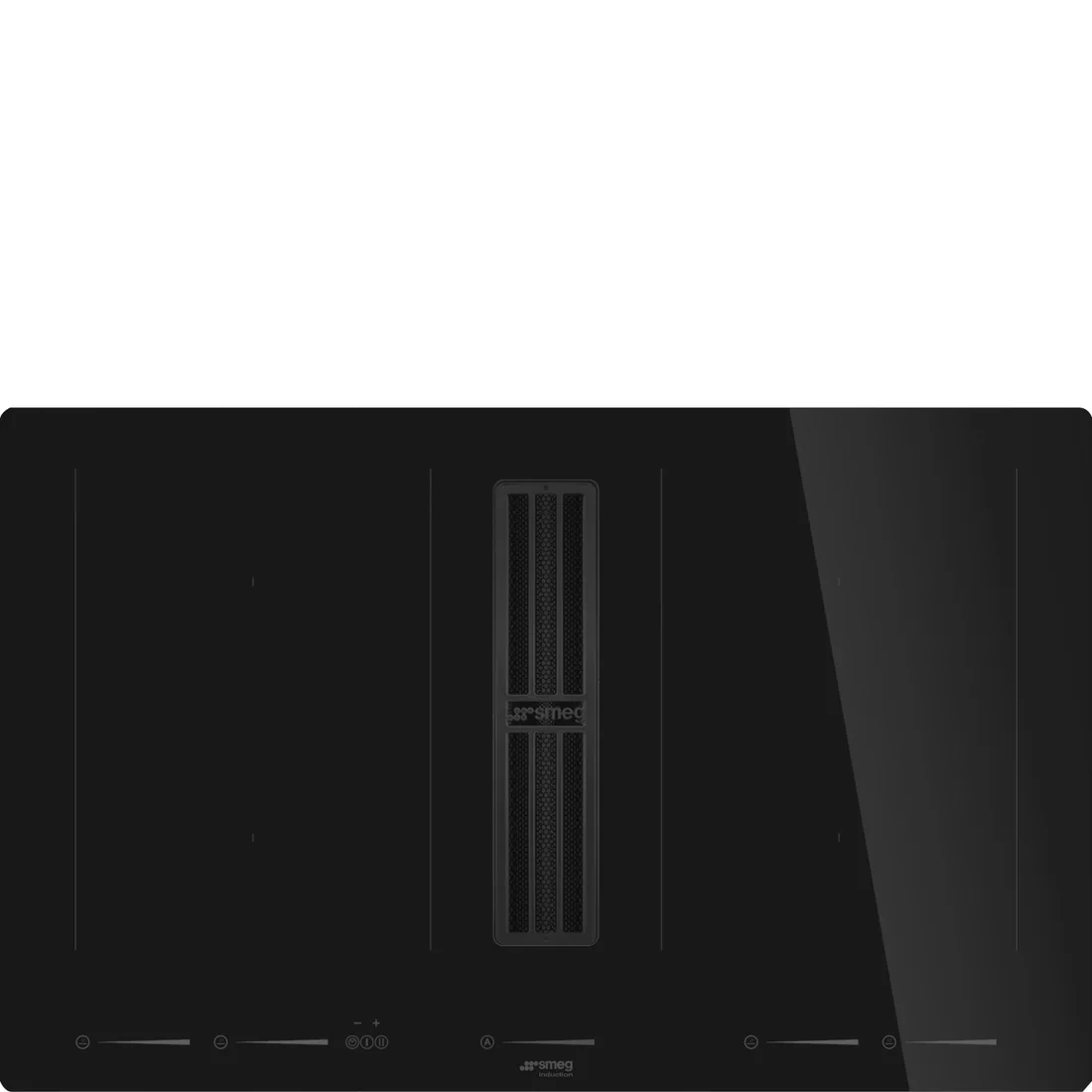
For an island, options can include a suitable island canopy, ceiling-mounted extraction or a compatible downdraft arrangement. Some cooktops incorporate extraction within the appliance. Check which configurations the manufacturer approves for the cooking appliance and the room; an open view across an island does not remove the need for a practical ventilation plan.
Find out where the air will go
Discuss duct routes with a qualified installer while the layout is still flexible. Roof structure, another storey, an external wall or an apartment's shared spaces can influence what is feasible. If recirculation is proposed, confirm that the exact model supports it and identify its approved filters, return-air route and any required installation kit.
An integrated or downdraft system still occupies space. Allow for the hood body, ducting, motor arrangement and maintenance access within cabinetry or below the bench as applicable. Sketch those components alongside drawers and storage so an attractive appliance position does not depend on space already allocated to something else.
Check the working area underneath
Think about visibility, lighting, control access and the way you lift large cookware. A deep canopy, an angled design and a compact insert can feel different when you stand at the cooktop. Compare the capture arrangement as well as the external shape, especially when front cooking zones are used heavily.
Mounting height and clearances must follow the relevant appliance instructions and applicable installation requirements. Have the installer check the cooktop and rangehood documents together, including any limits for the selected fuel and surrounding cabinets. Raising a hood to solve a headroom issue without checking these requirements can create another problem.
Make care and replacement part of the choice
Check how the filters are reached and whether routine removal is manageable at the planned height. An unobtrusive installation still needs accessible filters and service provisions. Consider which lights, filters and accessories are model-specific, and whether their references are clearly documented for future ordering.
When comparing Value House rangehood listings, confirm the exact type, model, condition and included components; a matching canopy alone may not describe a complete extraction system. Warranty information varies by item. Have the proposed arrangement assessed, then arrange pickup by appointment once missing parts and installation questions have been resolved.
Before you buy
- Mark the cooktop position on the layout.
- Discuss ducting or approved recirculation.
- Allow space for all components.
- Check filter access and included parts.
Sources & further reading
Prepared with AI assistance using the manufacturer and Australian guidance linked below. Check the exact model’s documentation when planning a purchase or installation.