The key points
- Compare airflow and noise at the same operating speed.
- Check the measurement basis behind headline extraction figures.
- Include ducting and motor position in the assessment.
Read the speed-by-speed information
Look for extraction and sound figures for normal speeds and any boost setting. Manufacturer data can distinguish standardised extraction measurements from a free-outlet maximum, so record the stated measurement basis. If the information is incomplete, ask for the full specification rather than assuming two headline numbers were measured in comparable conditions.
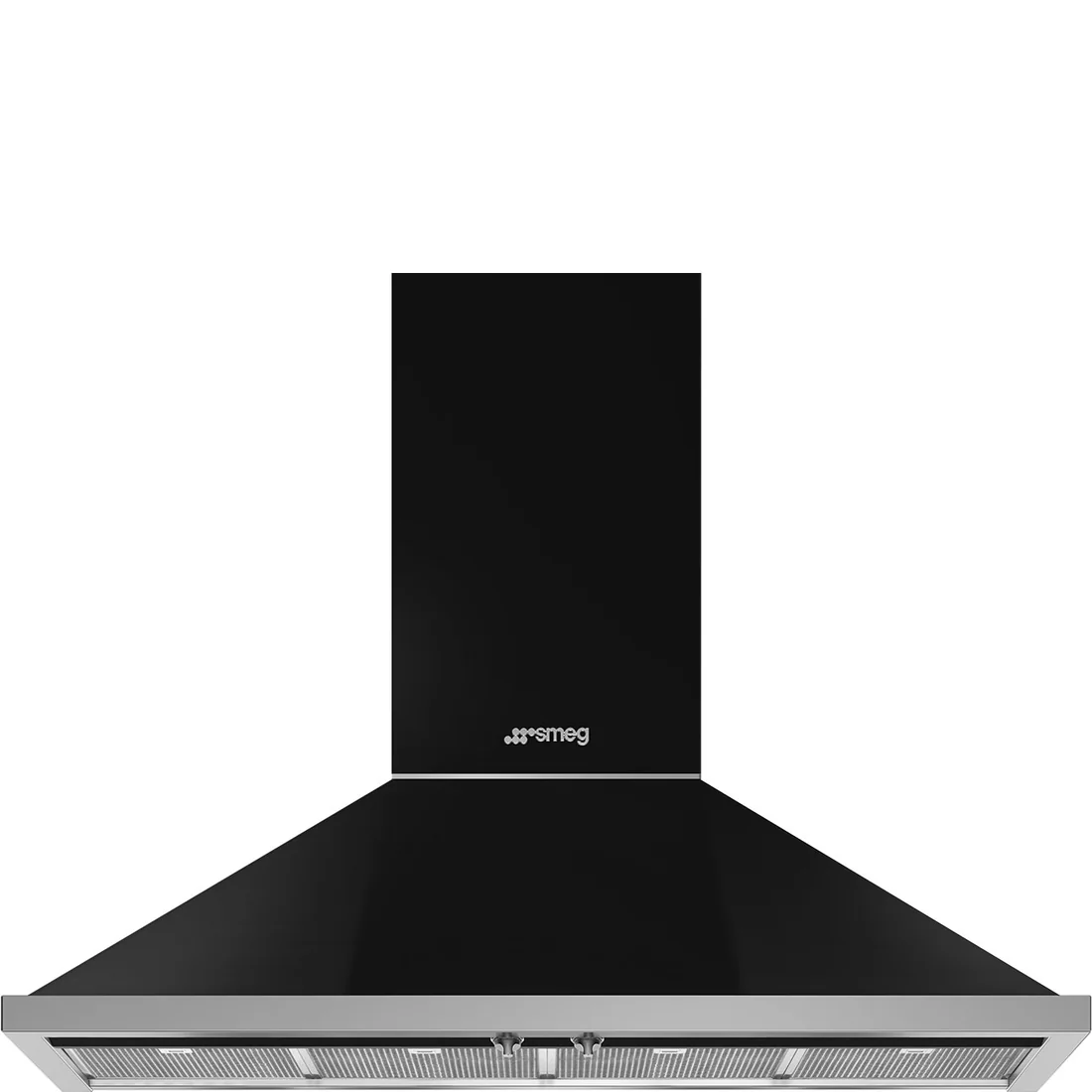
Smeg's SHU921X information, for example, provides airflow and noise by speed as well as a free-outlet figure. That format lets you see how the operating point changes. Use a comparison sheet that keeps the model, speed, airflow and sound figure together, with notes for any different testing or installation assumptions.
Choose for ordinary cooking as well as bursts
Think about what the hood needs to handle on a normal evening. Gentle cooking, several boiling pots and a short period of frying create different demands. A boost mode may be useful for a brief task, but check whether it is timed and what speed follows it. The appliance should remain practical through the rest of the meal.
Consider where people talk, work or watch television relative to the cooktop. If an appropriate demonstration is available, listen at the speeds you expect to use and ask about the setup. A showroom impression cannot guarantee the sound in your home, but it can reveal whether the controls and range of speeds suit your preferences.
Account for the installation
Ask the installer to assess the duct route, outlet, mounting and space needed for the selected system. An airflow figure is not a promise of identical performance through every building. Installation choices and restrictions belong in the comparison because they influence how practical the hood will be once connected in your kitchen.
An external-motor system moves the motor away from the canopy and can reduce motor sound in the cooking area. It is still an entire system requiring a compatible hood, motor and installation. Schweigen notes that moving air can remain audible at higher speeds; do not interpret the description silent as a guarantee of no sound.
Compare the complete unit and controls
Check that speed selection is straightforward, lighting is useful and filter access is manageable. Automatic operation can be convenient, but confirm any required cooktop compatibility. A familiar manual control remains important if different household members need to change extraction quickly without using a connected device or an unfamiliar menu.
At Value House, check the exact model, condition and included motor or control components, particularly for an external-motor system. Warranty information varies by listing. Have the full system assessed and price any missing parts before arranging pickup by appointment, so the comparison reflects a working installation rather than a headline specification.
Before you buy
- Record speed, airflow and sound together.
- Identify any boost time limit.
- Have the proposed air route assessed.
- Confirm the complete motor and hood package.
Sources & further reading
Prepared with AI assistance using the manufacturer and Australian guidance linked below. Check the exact model’s documentation when planning a purchase or installation.