The key points
- A second cavity helps with simultaneous cooking at different settings.
- Check each compartment’s functions and dimensions separately.
- Confirm cabinet support, electrical requirements and access to both cavities.
Identify the conflict you want to solve
Write a simple schedule for a meal that currently feels difficult. List each dish, its required temperature and when it needs the oven. A second cavity is helpful when two tasks overlap at incompatible settings, such as a slow-cooking main course and baking that needs a different temperature near serving time.
If most dishes share a suitable setting, a single oven with an appropriate multi-shelf function may already meet the need. Think about the weeks between celebrations as well. Paying for extra cavity space makes more sense when you can explain how it improves ordinary cooking, occasional entertaining or both.
Check what each compartment can actually do
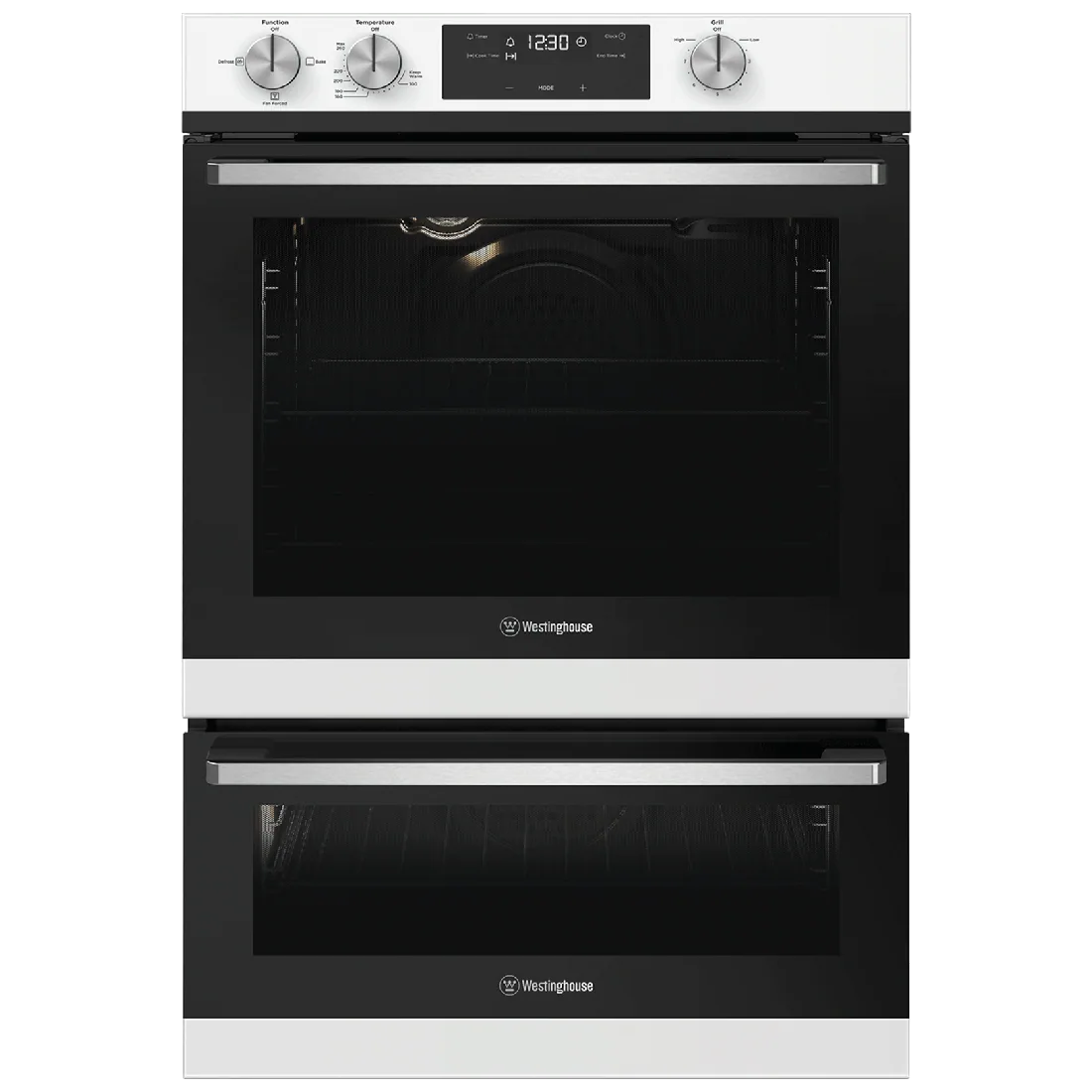
Double and duo names do not always describe two equally sized, equally equipped ovens. Manufacturers offer combinations with a larger main cavity and a smaller secondary cavity. A separate grill compartment is another arrangement again. Read the function list for each compartment rather than inferring capability from the number of doors.
Check whether the smaller cavity provides the heat modes and space needed for the dish you plan to put there. Compare its usable dimensions, shelf positions, included accessories and control range. A compact second oven may be ideal for a small meal but unsuitable for the wide tray that causes your usual bottleneck.
Check the installation and the working height
A double oven requires a suitable cabinet opening and support, with clearances and ventilation specified for the exact model. Have a cabinetmaker or installer check these details, and ask a licensed electrician to assess the electrical requirements. The existing circuit for a single oven is not proof that a double replacement is suitable.
Consider access to both cavities once the appliance is installed. A comfortable lower shelf position can leave the upper cavity too high for heavy dishes, depending on the layout and cook. Check door movement, visibility and nearby landing space for each cavity, especially if the ovens will be used simultaneously.
Make an everyday operating plan
Decide which cavity would handle a normal dinner for the household and which would be used for larger meals. Compare cleaning requirements for each, because self-cleaning functions may not apply identically to both compartments. Avoid assuming a smaller cavity guarantees a particular energy saving without considering the model and cooking task.
At Value House, review each listing's exact model, condition, accessories and warranty information. Ask for clarification if photographs show a second compartment but its functions are unclear. Once your cooking schedule and installation assessment favour the same option, arrange pickup by appointment and retain the manuals for both cavity controls.
Before you buy
- Map a meal with overlapping oven tasks.
- Read both cavity function lists.
- Check the smaller compartment with your cookware.
- Have the cabinet and connection assessed.
Sources & further reading
Prepared with AI assistance using the manufacturer and Australian guidance linked below. Check the exact model’s documentation when planning a purchase or installation.