The key points
- A matching nominal width does not confirm cabinet compatibility.
- Check support, ventilation and service access with the opening dimensions.
- Agree the installation scope before arranging appliance collection.
Identify the existing arrangement
Record the current oven's full model number and photograph its position in the kitchen. Include the cabinet front, nearby drawers, the benchtop above and any appliance sharing the tower. Note whether the door or handle already interferes with another surface. These observations help an installer distinguish an appliance problem from a layout limitation.
Measure only what is safely accessible without removing or disconnecting the oven. The visible front dimensions do not reveal the cabinet's internal opening or the position of services behind it. Have a qualified installer confirm inaccessible measurements and arrange for a licensed electrician to handle electrical disconnection and reconnection where required.
Compare the complete installation drawing
Ask the installer to compare the new model's required opening with the cabinet's actual width, height and depth. Include the supporting surface, front overlaps and ventilation provisions. A specification sheet can help with shortlisting, but the exact installation instructions and the physical appliance should govern the final fit assessment.
Check whether cabinetry materials and nearby appliances meet the manufacturer's requirements. Fisher & Paykel's installation guidance, for example, addresses support, air circulation and accessible isolation. Do not copy an opening or ventilation arrangement simply because the previous oven operated there; the replacement can have different construction and installation needs.
Protect access and surrounding cabinetry
A useful fit allows the door to open fully and leaves the user able to operate the controls and reach cooking shelves comfortably. Ask about the path for the power cable and access needed for future service. A replacement that looks tidy from the front still needs to remain practical behind the cabinet face.
Raise any existing swelling, heat damage or persistent condensation around the cabinet with the installer before the new oven goes in. The cause needs assessment, and affected cabinetry may need attention. Avoid covering damaged areas with trim as a substitute for checking whether the support, materials or ventilation remain suitable.
Coordinate the purchase and installation
Request a clear scope covering removal, cabinet changes if needed, installation, electrical work and removal of packaging or the old appliance where agreed. Confirm who supplies any required fittings. This lets you compare the actual replacement cost rather than an appliance price alongside an incomplete allowance for the work around it.
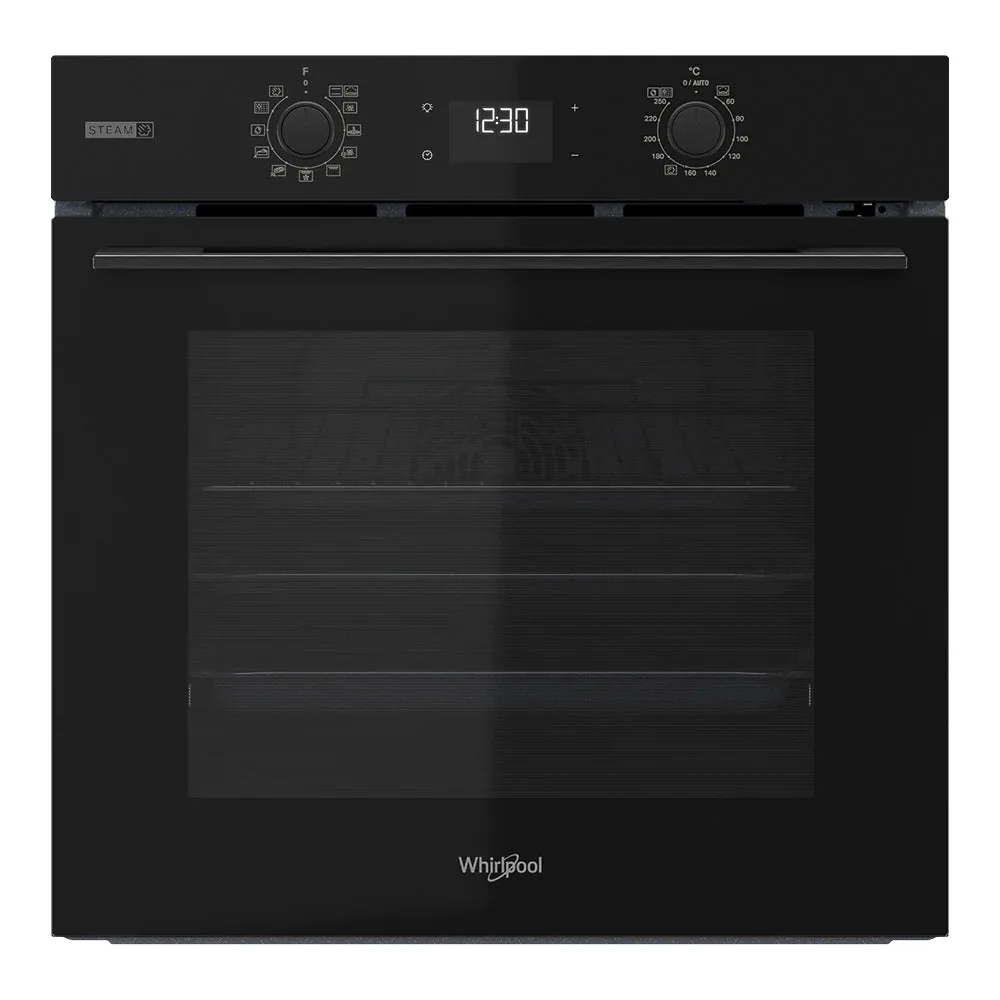
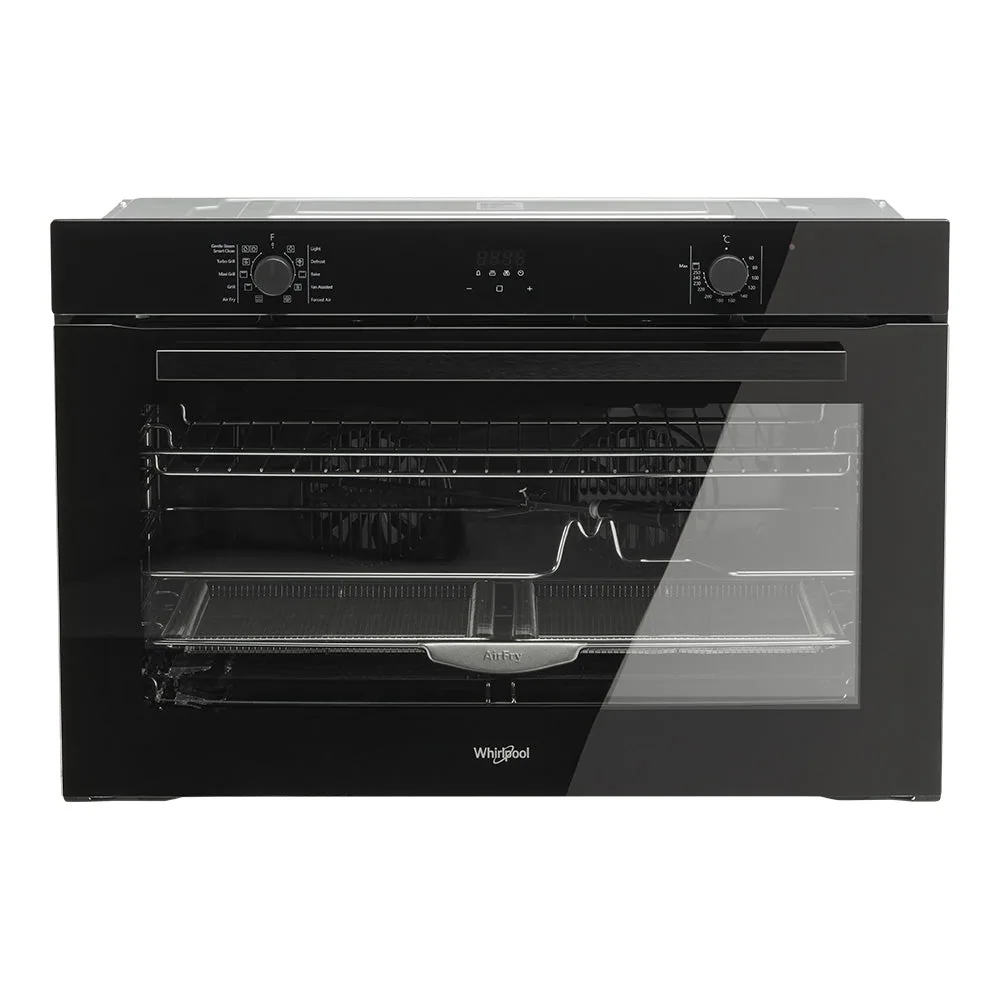
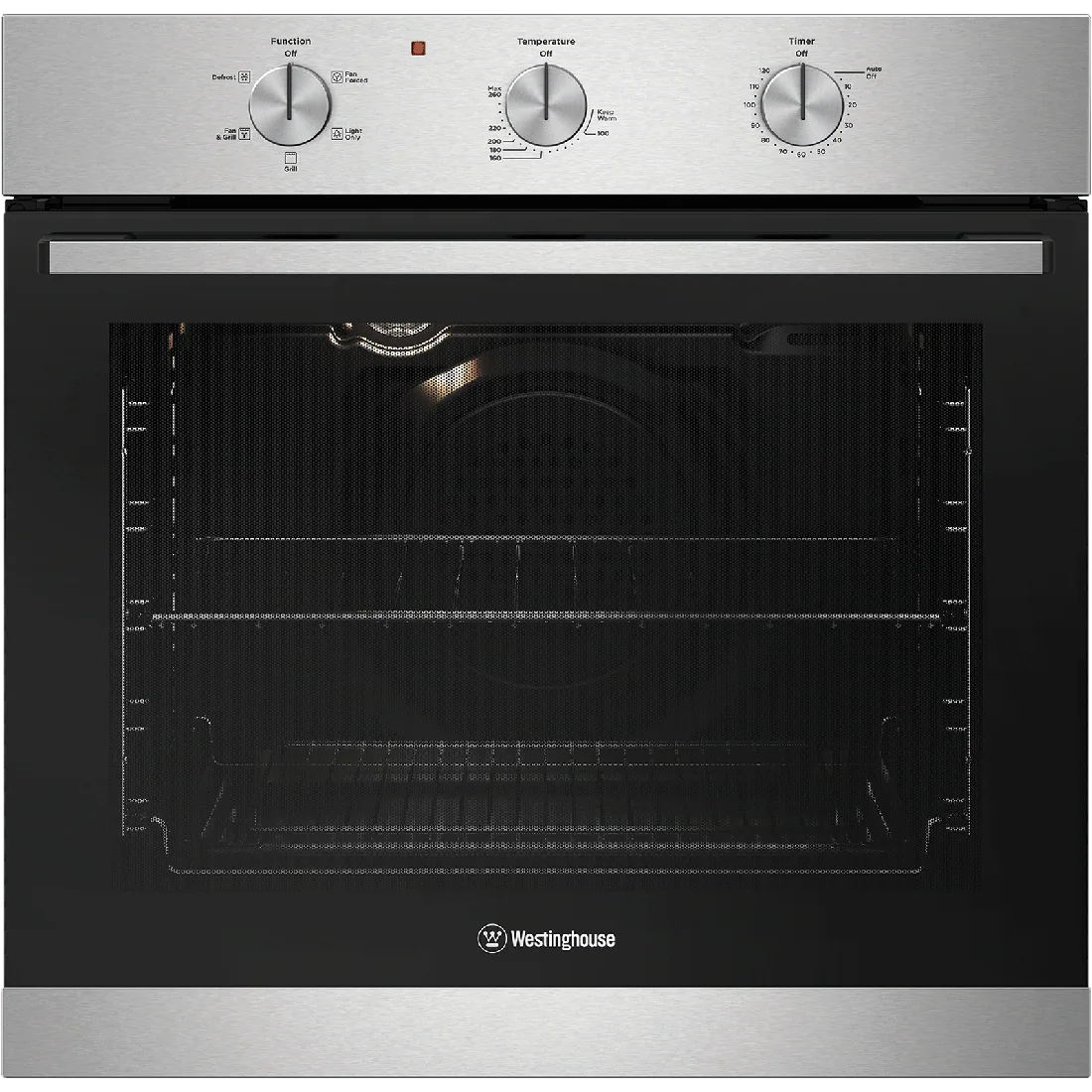
For a Value House oven, confirm its full model identifier, condition, accessories and stated warranty before collection. Details vary by listing. Send the model documents to the installer, resolve fit questions, then arrange pickup by appointment and coordinate collection timing with the people carrying out the replacement.
Before you buy
- Record the old and proposed model numbers.
- Have hidden cabinet dimensions confirmed.
- Check support, ventilation and door movement.
- Coordinate electrical work and pickup timing.
Sources & further reading
Prepared with AI assistance using the manufacturer and Australian guidance linked below. Check the exact model’s documentation when planning a purchase or installation.