The key points
- Compare capacity figures using the same definition.
- Measure dishes with their handles and lids.
- Check supplied shelves as well as available shelf positions.
Compare like-for-like capacity figures
Manufacturers may state total capacity, usable capacity or a cavity volume. Check the label attached to the number instead of treating every litre figure as identical. For example, Fisher & Paykel lists both total and usable capacity on some ovens. Recording the same measure across your shortlist makes the comparison more meaningful.
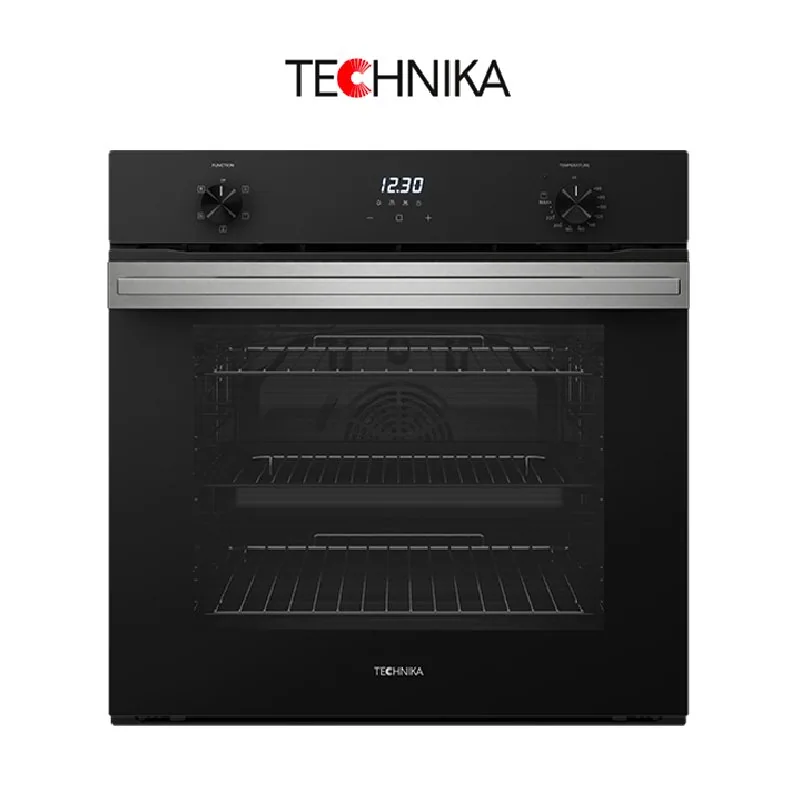
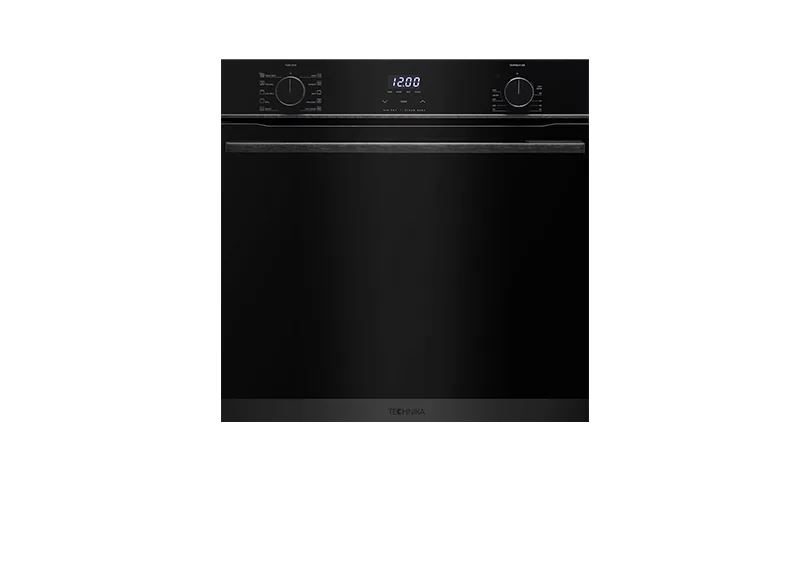
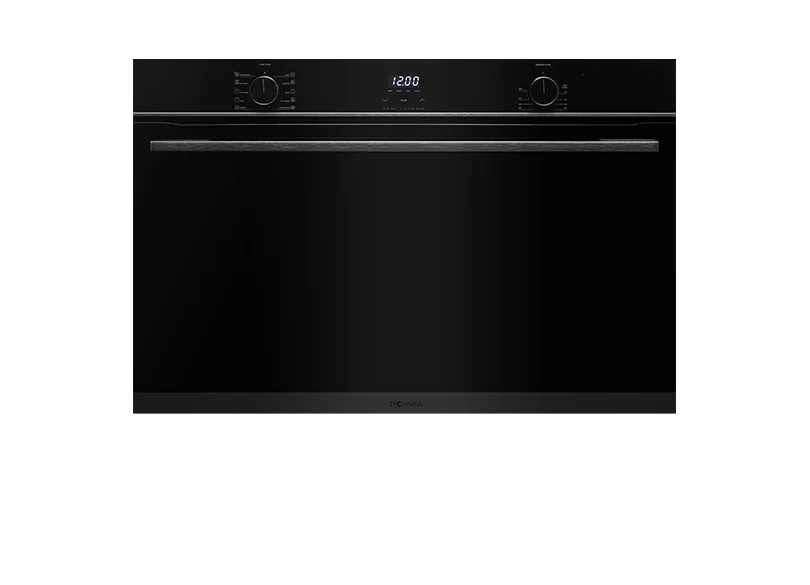
Oven format matters too. A compact combination oven and a full-height oven can occupy a similar width while offering different cavity shapes and shelf arrangements. A wider oven may be useful for broad trays, but extra internal height may matter more if you often cook a tall covered casserole or several levels of food.
Use the dishes you already own as a reference
Measure your largest roasting dish, baking sheet and casserole, including protruding handles or lids. Note which ones you use together. The relevant question is not simply whether one empty dish can enter the cavity; it is whether the intended cooking arrangement leaves the space required by the manufacturer's instructions.
Take those dimensions when comparing appliances. If a display or appointment inspection allows a fit check, use clean, empty cookware and ask before placing it inside. Otherwise compare internal measurements and supplied tray dimensions. Do not assume a favourite tray will fit because the new oven has the same nominal width as the old one.
Separate shelf positions from supplied shelves
A specification can list several possible shelf positions while the unit comes with fewer wire shelves or trays. Check both numbers. Positions describe where accessories may sit; they do not promise that every level can be used simultaneously. The chosen cooking function and the manual's recommended spacing also affect a practical load.
Plan one everyday arrangement and one busy occasion. Perhaps that means a roast plus vegetables for Sunday, or two batches of biscuits during the week. Compare the supplied accessories with those plans and price any compatible extras you genuinely need. Correct fit matters more than collecting trays that happen to be the right colour.
Buy for regular use and realistic exceptions
List how often your current oven feels too small and what causes the problem. If it is a wide roasting tray once a year, a different dish may solve it. If two separate temperatures are needed every weekend, capacity alone may not solve it and a second oven cavity deserves consideration.
For Value House listings, confirm the precise model, cavity information and which shelves, runners and trays accompany the actual item. Condition and warranty terms vary by listing. Check cabinet compatibility with your installer, then arrange pickup by appointment, keeping the accessory list with your purchase details.
Before you buy
- Record the capacity definition.
- Measure the largest regular cookware.
- Plan two typical shelf arrangements.
- Confirm the unit’s included trays and shelves.
Sources & further reading
Prepared with AI assistance using the manufacturer and Australian guidance linked below. Check the exact model’s documentation when planning a purchase or installation.