The key points
- Plan the room around opening doors, access and laundry transfer.
- Confirm the exact manufacturer-approved stacking combination where needed.
- Compare both machines' capacity, requirements and stated efficiency information.
Map the room and the daily workflow
Measure the laundry's available width, height and depth, then note doors, benches, taps and drainage points. Include space for appliance doors or lids to open and for you to reach controls. Keep a place for a washing basket in your sketch so the plan reflects the room in use.
Decide whether the appliances will sit side by side, stack or occupy separate positions. If stacking, obtain written manufacturer confirmation for the exact washer, dryer and required kit. Matching width or brand is only a starting point. Follow the model instructions and use a suitable installer for the approved arrangement.
Match capacities to the loads you handle
Washer capacity is expressed as a weight of dry clothes. Use the size of your regular loads and the capacity of your existing machine as reference points. Include bulky items you actually wash, while checking the programme limits in the manual for those items. The largest stated capacity may not apply to every cycle.
Compare the dryer's rated capacity with the loads you expect to dry. Consider whether some washing will usually go onto a clothesline or drying rack. With a washer dryer combination, check the separate washing and drying capacities and plan how that affects a continuous wash-and-dry load.
Check the installation requirements as a pair
Read each model's instructions for water supply, drainage, electrical connection, ventilation and clearances. Identify how the dryer handles moisture and whether a drain connection or venting arrangement is required. Have the relevant trades confirm any changes before you choose a model that depends on them.
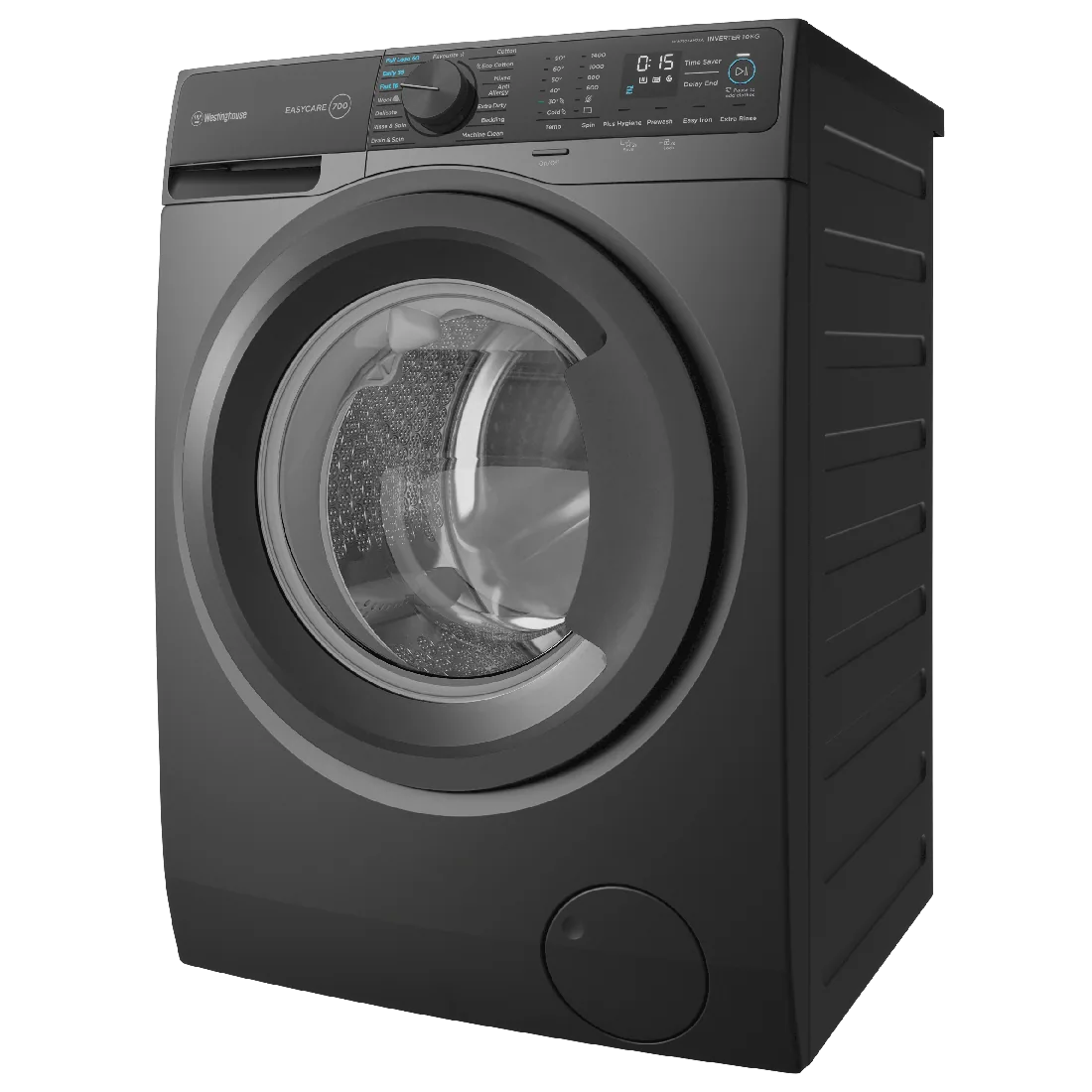
Allow for the hoses and connections behind the machines when assessing depth. Confirm access to any filters, tanks or maintenance points described in the manuals. For a front load washer, the installation process also needs to address transport restraints and levelling according to the manufacturer; keep the relevant components and instructions for future moves.
Compare use, efficiency and the full package cost
Read the Energy Rating information for models with comparable capacity and features. Check the tested programme and usage assumptions rather than treating the label as a prediction of your household bill. For the washer, also compare the WELS water consumption and the cycle used to measure it.
Include any approved stacking kit, connection work and transport in your package comparison. Review the condition, accessories and warranty on each Value House listing individually. Contact the team with both model references and your layout questions. If collecting the package, arrange an appointment and confirm that the planned vehicle can carry both items appropriately.
Before you buy
- Measure the room and sketch the intended machine positions.
- Check washer and dryer capacities against regular loads.
- Verify model compatibility, connections and required accessories.
- Confirm each item's condition, warranty and collection plan.
Sources & further reading
Prepared with AI assistance using the manufacturer and Australian guidance linked below. Check the exact model’s documentation when planning a purchase or installation.