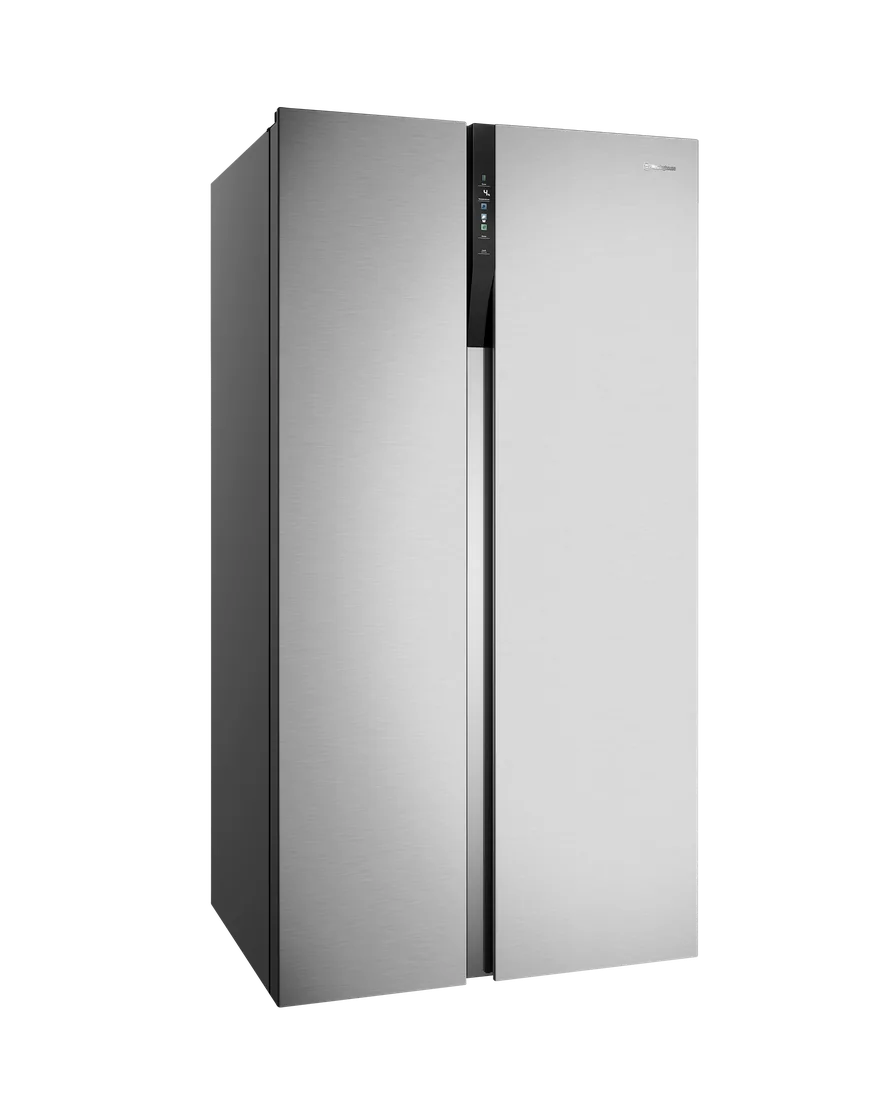
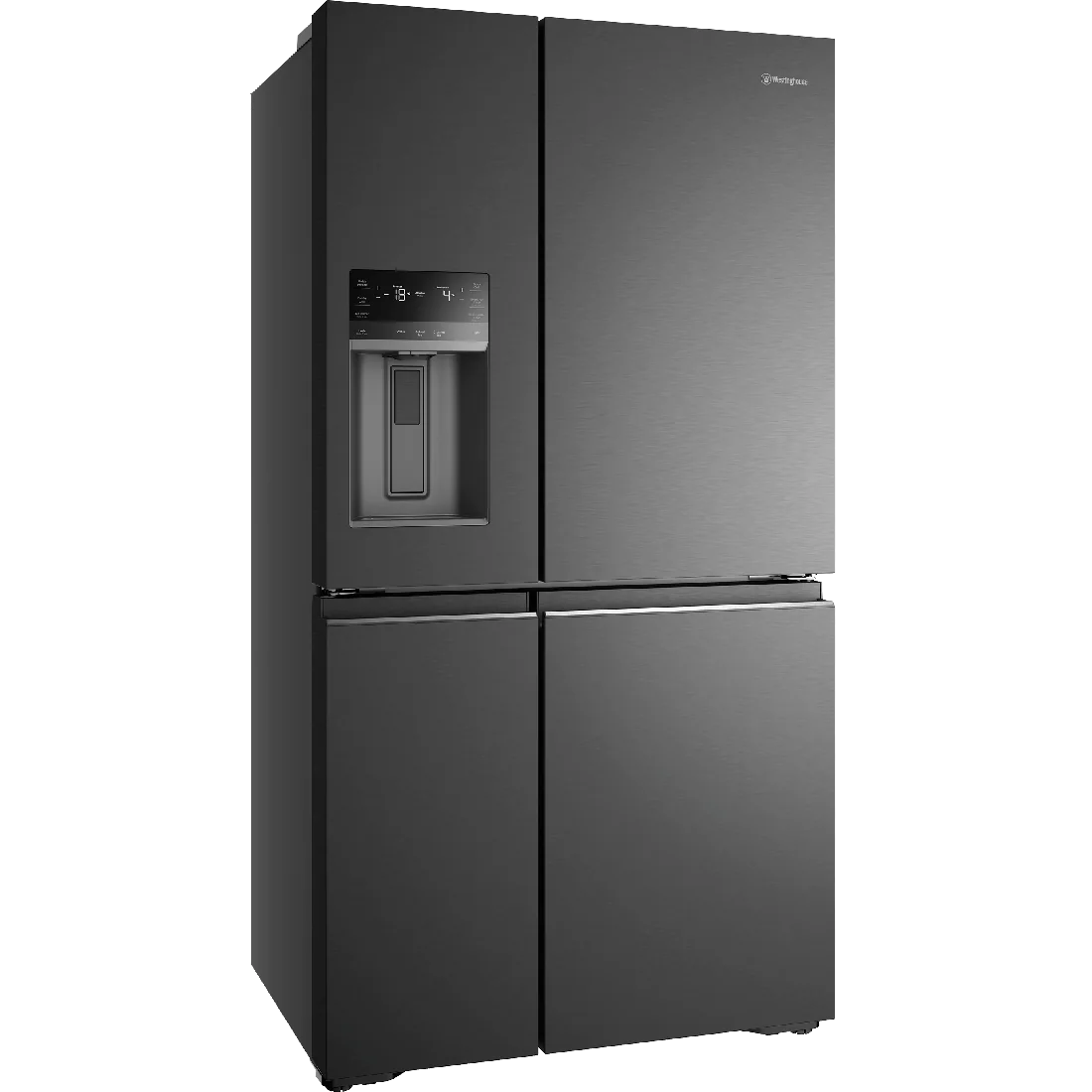
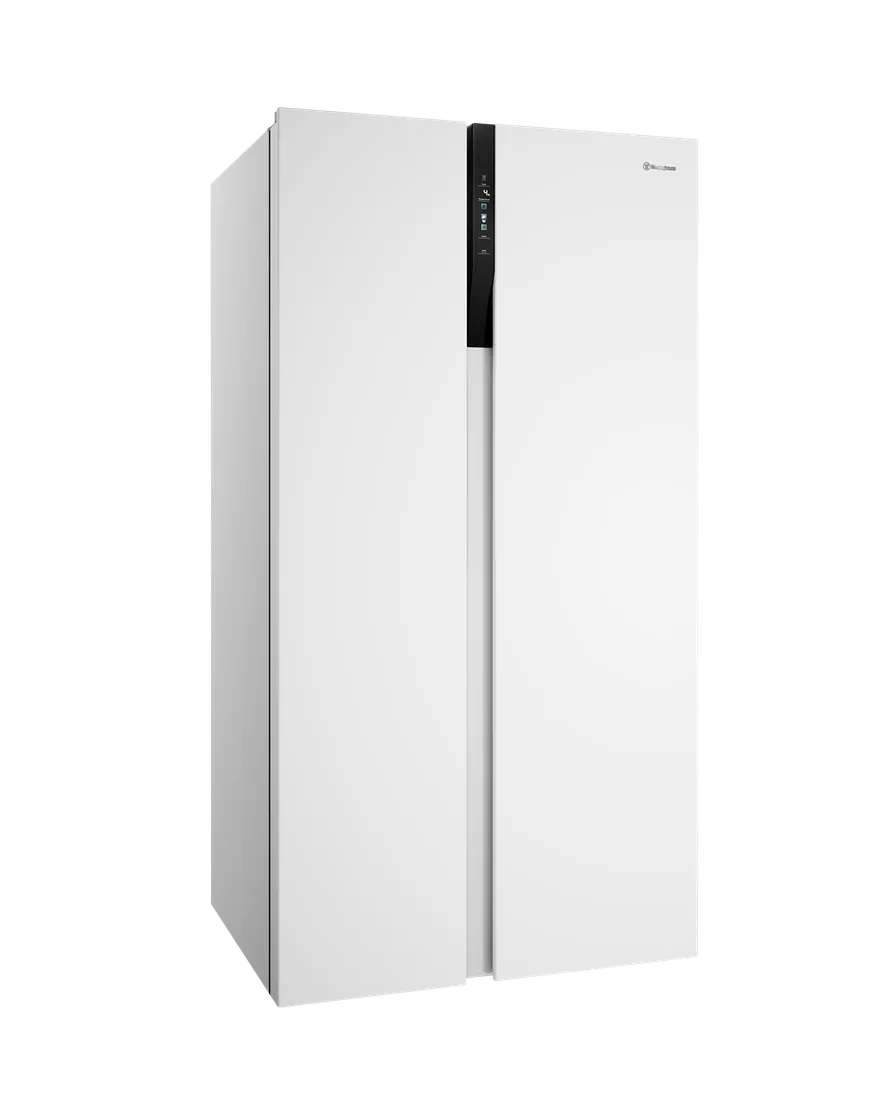
The key points
- Check the full route using the relevant transport dimensions.
- Share photographs of corners, stairs, lifts and narrow approaches.
- Confirm the service scope and usable final position before delivery.
Start with the appliance and its transport dimensions
Record the exact model, product dimensions and weight, then ask which packaged dimensions apply to the item being transported. Establish whether it will remain boxed along the route. Packaging, handles and protective materials can change the space needed, so keep the relevant measurements clearly labelled in your notes.
Ask the transport provider about handling requirements for that model and any uncertainty in the route. If a door or appliance component might need removal, have that assessed by the appropriate professional using the manufacturer's instructions. Avoid building the plan around an unconfirmed assumption that something can be detached on arrival.
Follow the full route through the property
Measure the usable opening of each gate and doorway along the proposed path. Include door handles, fixed frames and other projections that reduce usable space. Take photographs showing the approach to narrow points, because an opening's width alone does not explain the room available to turn into it.
Check hallways, landings and corners, then look above the route for low ceilings or fixtures. Record steps, changes in floor level and outdoor surfaces. Create a simple sequence of photographs from the unloading point onwards so the transport provider can see how these features connect.
Give stairs and lifts their own assessment
For stairs, note the number of flights, narrowest points, turns and landing sizes. For a lift, record the door opening and usable cabin dimensions, and ask building management about capacity and booking requirements. Pass the information to the transport provider so they can confirm whether the proposed service suits the route.
Also check practical building rules: loading access, permitted delivery times, lift protection and the person who can provide entry. Confirm arrangements for keys, gates or intercoms. Keep any unresolved requirement on your delivery notes instead of assuming it can be organised once the vehicle arrives.
Confirm the destination and the scope of the service
At the final position, check the installation space, ventilation requirements and opening doors or drawers against the exact manual. Make room for the appliance to be manoeuvred into place. A successful access check should end with a usable installation position, rather than stopping when the appliance reaches the room.
Confirm with Value House or your transport provider where the appliance will be placed and which services have been agreed. Delivery, unpacking, connection and old-appliance removal can have different scopes. Share access details early and arrange qualified trades where needed. Manufacturer delivery terms are useful examples of questions to ask, but Value House's arrangements must be confirmed separately.
Before you buy
- Record appliance, packaged and access measurements separately.
- Photograph every narrow opening and change of direction.
- Confirm stair or lift suitability and building access arrangements.
- Agree placement, connection and removal services with the provider.
Sources & further reading
Prepared with AI assistance using the manufacturer and Australian guidance linked below. Check the exact model’s documentation when planning a purchase or installation.