The key points
- Heat pump dryers are a form of condenser dryer.
- Both types still need a suitable installation environment.
- Compare the exact models, care tasks and expected use.
Understand how they handle moisture
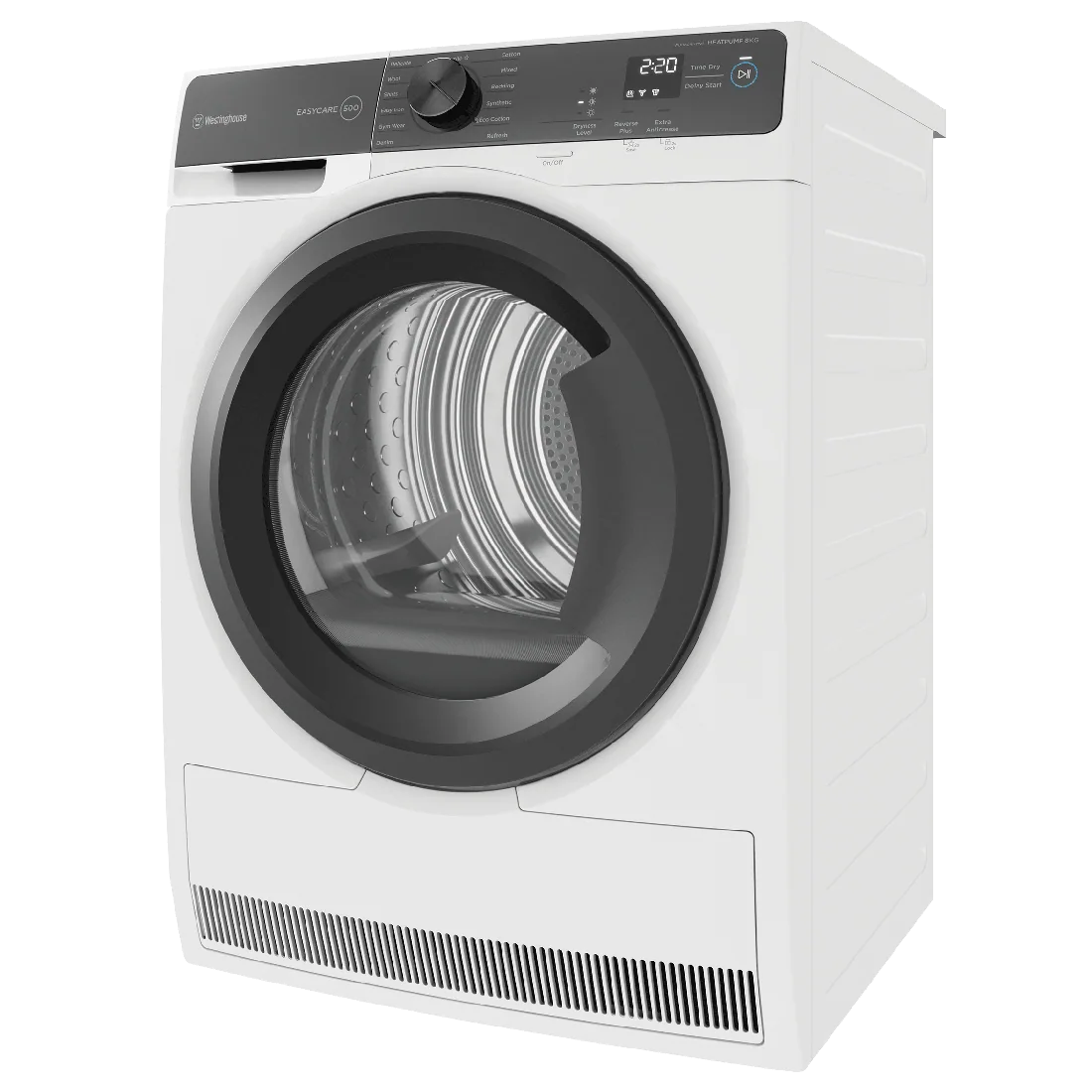
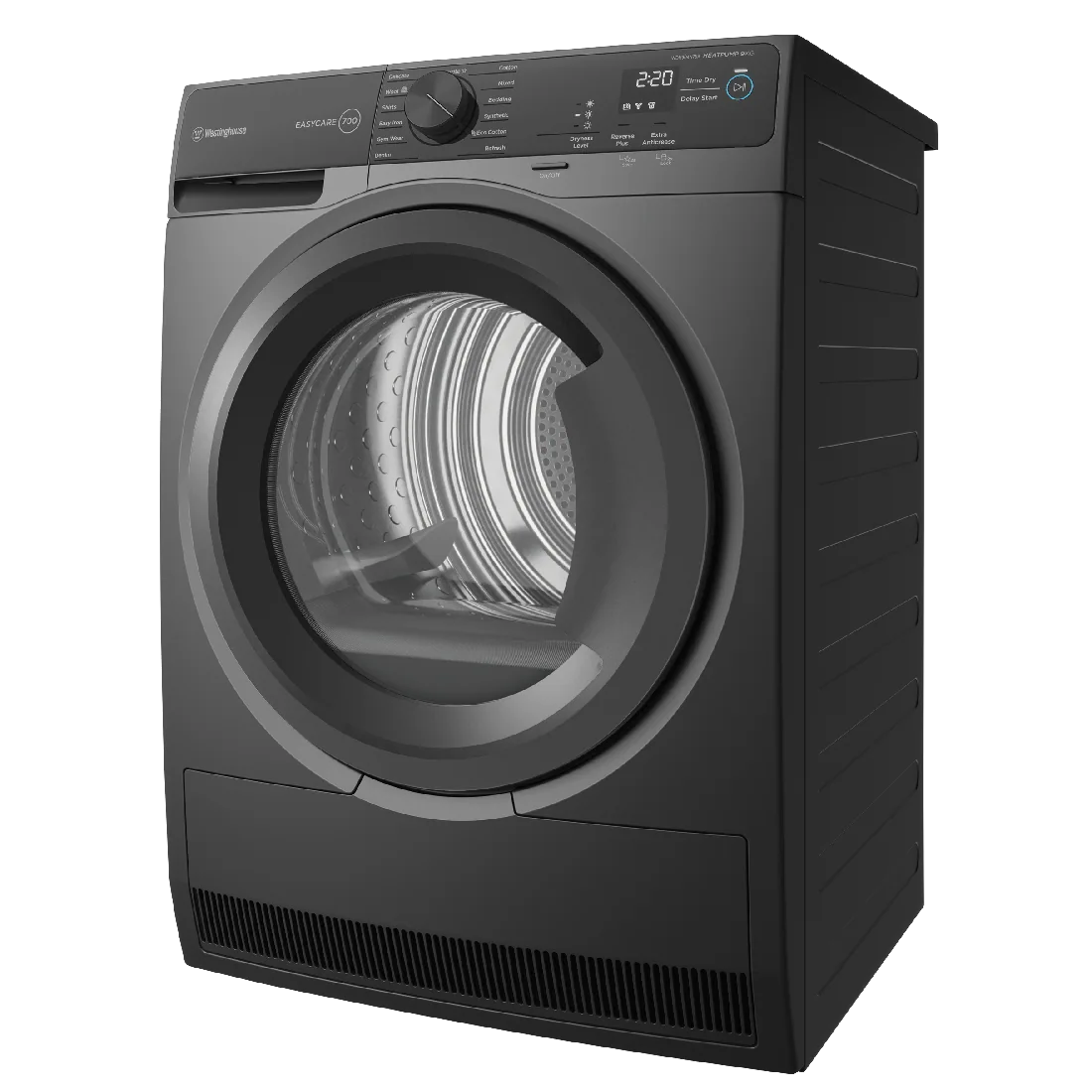
Both designs condense moisture removed from clothes into water. Depending on the model and setup, the water collects in a container or passes through an approved drain connection. Neither arrangement should be assumed from the product photograph. Check the manual for the container location, drain option and any parts needed.
A heat pump system reuses heat within its drying process. A conventional condenser system works differently and can have a different balance of energy use and drying time. LG and Bosch explain these broad distinctions in their buying guides. Use that explanation to understand the categories, then return to model-specific specifications.
Set realistic cycle expectations
Heat pump drying can use lower temperatures and take longer on some comparable loads, as Electrolux notes in its performance guidance. This does not establish one fixed timing difference between every pair of dryers. Program choice, fabric, load and room conditions can all matter to the experience you have at home.
If you need several loads ready in one afternoon, read the program information carefully and plan a realistic sequence. If drying can run during a longer available window, the timing may be less important. Consider how you will collect items at the end, rather than choosing solely around the shortest number in an advertisement.
Check the room and maintenance access
Collecting water internally does not remove the dryer’s need for a suitable environment. Read its ventilation, clearance and operating-temperature instructions. Check that cupboard doors, shelves and stored items will not obstruct the approved airflow. A space that fits the cabinet can still fail the installation requirements.
Compare the care tasks you will perform. Can you remove the lint filters comfortably? Can you reach and carry a water container if one is used? Condenser care varies between models, including designs with automatic cleaning features. Only compare maintenance instructions that apply to the actual product, and do not assume the same parts are removable.
Make a model-based decision
Create a shortlist of dryers that fit the room and your routine. Record capacity, tested energy consumption, program information, drainage options and required accessories. Compare the purchase and setup cost with your expected frequency of use. A lower labelled consumption may be valuable without supporting a guaranteed household saving or payback date.
For a Value House appliance, confirm the model number and the individual listing’s condition, included accessories and warranty information. Ask about any missing drain fittings or stacking components before committing. The useful decision is the complete dryer and installation combination, with a care routine you can follow, rather than a technology label by itself.
Before you buy
- Confirm the drying technology in the specifications.
- Check tank and drain arrangements.
- Read room and maintenance requirements.
- Compare labelled consumption and program information.
Sources & further reading
Prepared with AI assistance using the manufacturer and Australian guidance linked below. Check the exact model’s documentation when planning a purchase or installation.