The key points
- Choose a dryer technology that suits the installation.
- Compare real drying loads and program limits.
- Consider purchase, accessories and expected use together.
Start with ventilation and moisture
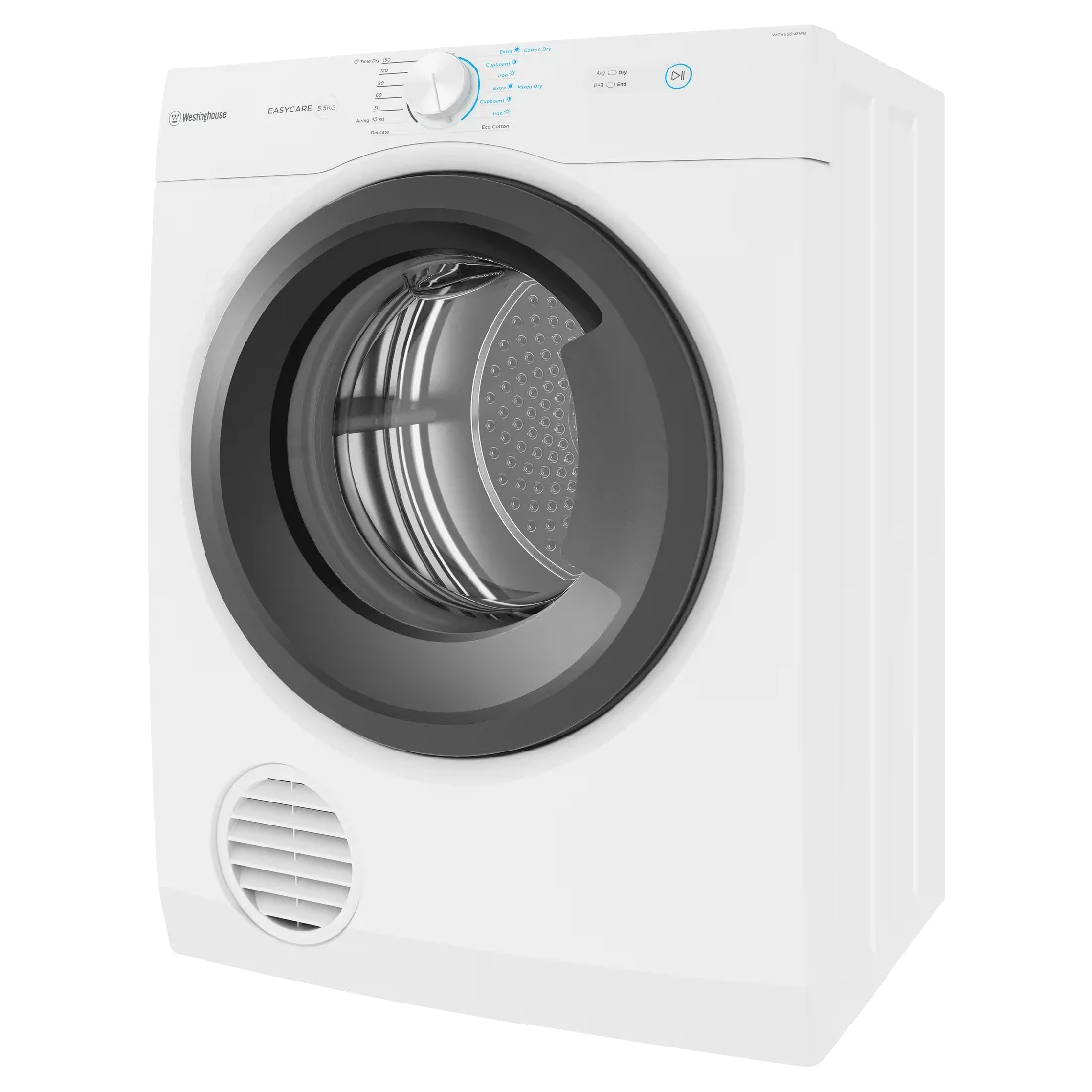
A vented dryer expels warm, moist air, so its approved exhaust and room ventilation arrangements are central to the purchase. Check whether your home can accommodate the required venting route before comparing features. A closed cupboard is not made suitable simply by choosing a smaller vented appliance.
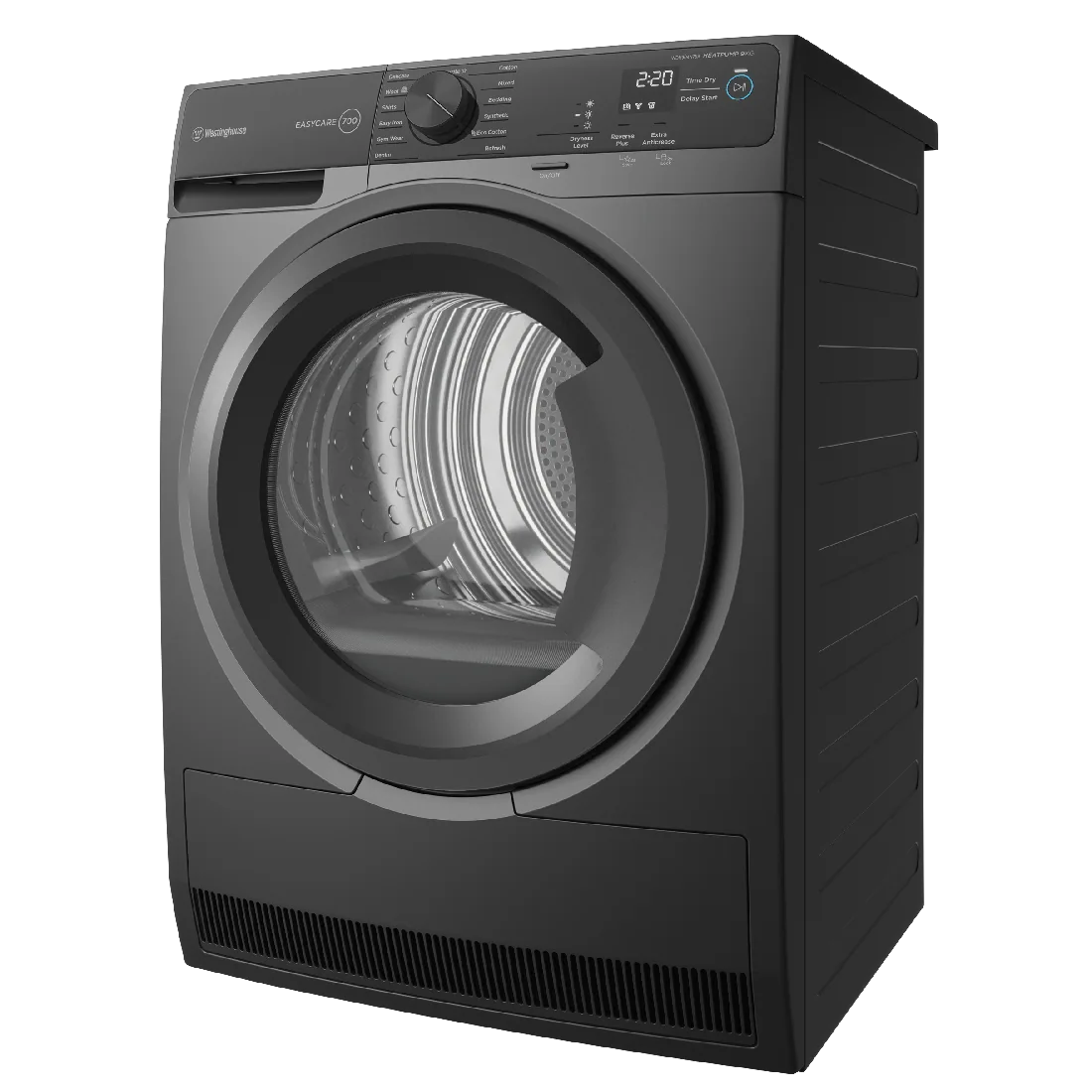
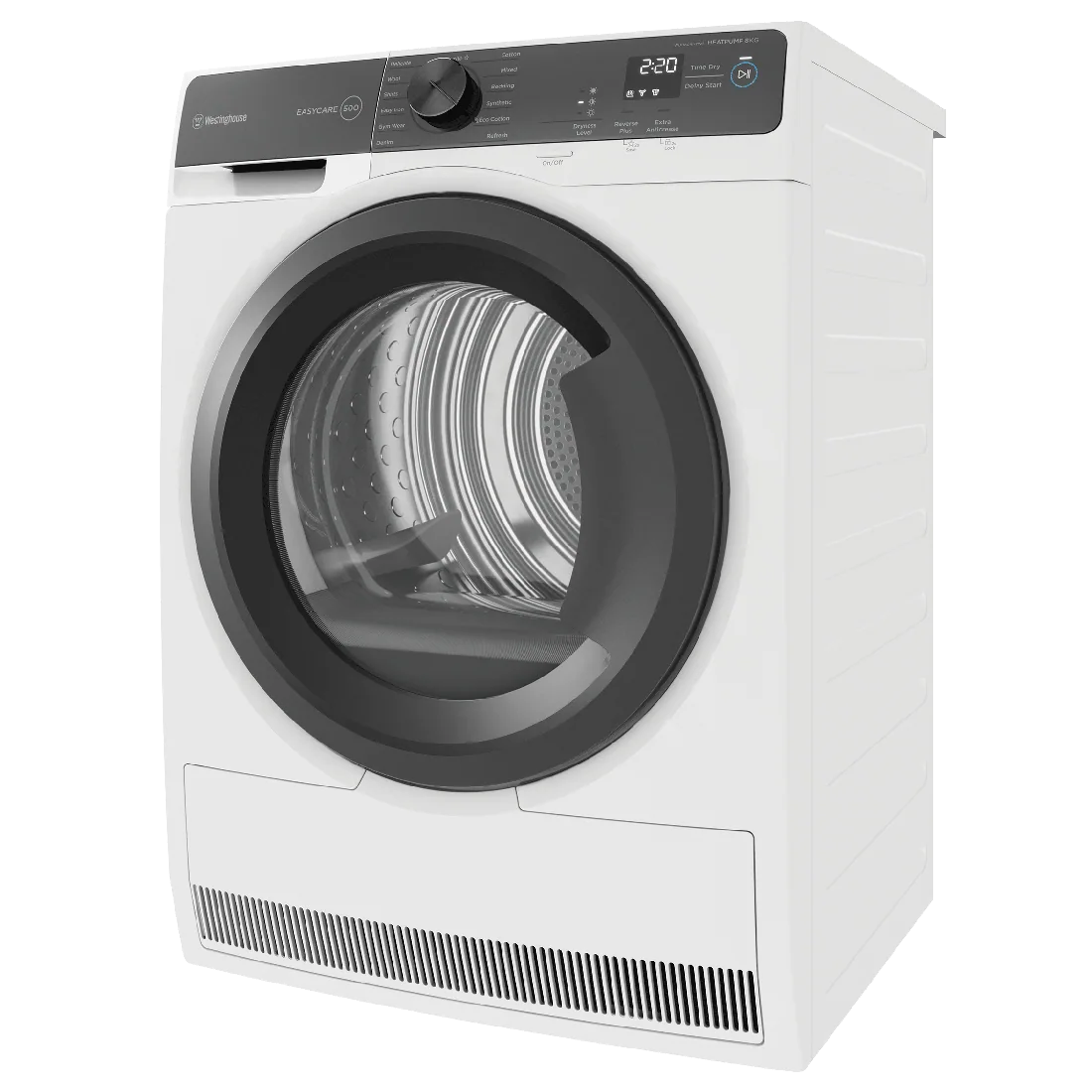
Condenser and heat pump dryers collect extracted moisture as water, usually through a tank or an approved drain arrangement. They still have model-specific airflow, location and temperature requirements. Read the installation manual before deciding that a dryer will work in a narrow alcove, enclosed cabinet or room without an external wall.
Understand the technology choices
A conventional condenser dryer uses a heating system and condenses moisture out of the drying air. A heat pump dryer is also a condenser design, with a heat pump that recirculates heat through its drying process. Manufacturer guides describe the resulting differences in energy use and drying conditions, but individual models remain the proper basis for comparison.
Consider how often you rely on machine drying. A frequent user may give labelled consumption greater weight, while an occasional user may put more emphasis on the total purchase and installation budget. Avoid assuming that a particular upgrade will recover its extra cost within a universal number of years.
Match the dryer to real loads
List the items that will actually enter the dryer. Towels, sheets and everyday clothes create a different requirement from occasional small loads. Check each model’s program limits and the care labels on bulky items. A generous headline capacity does not mean every doona or specialist garment is permitted.
Look at sensor programs, dryness choices and access to filters or water containers. Think through unloading at the intended height, especially in a stacked arrangement. If a dryer must be wall mounted or stacked, confirm that the exact product permits it and that the required manufacturer-approved mounting or matching kit is identified.
Compare the whole cost and setup
For suitable models of similar capacity, compare energy stars and consumption information. Official Energy Rating guidance explains that the label’s program information belongs to its test setting. Your use can differ, so consider consumption together with the number and type of loads you expect to dry, rather than treating the label as an exact bill.
Add any venting, drainage, stacking accessories and qualified installation work to your buying checklist. At Value House, read the individual dryer listing for condition, included items and warranty information, and arrange pickup by appointment. Keep the manual with your measurements so the chosen dryer can be installed and cared for according to its own requirements.
Before you buy
- Confirm the approved moisture and airflow arrangement.
- List the clothes and bedding you will dry.
- Check mounting or stacking permission.
- Compare labels and individual listing details.
Sources & further reading
Prepared with AI assistance using the manufacturer and Australian guidance linked below. Check the exact model’s documentation when planning a purchase or installation.