The key points
- Sensor drying works within the chosen program’s instructions.
- Match the dryness level to the next finishing step.
- Specialist programs may need smaller loads or accessories.
Understand what sensing does
On models with automatic drying, sensing helps the appliance respond to the load under the selected program. Fisher & Paykel’s relevant dryer guide describes finishing when the chosen dryness level is reached, while LG describes sensor control on selected models. This is a program function, not a promise that every item in every load will finish identically.
Read the instructions for the actual model, including load guidance and any restrictions. Very different fabrics in one drum can complicate the result you want. If you regularly mix towels with light clothing, compare the recommended sorting routine before deciding that a sensor feature will remove that task.
Choose the finish you need
Dryness settings are intended for different finishing goals. The terminology varies, so consult the manual to understand what the available levels mean. A setting intended to leave items ready for ironing may produce a different result from one intended for cupboard storage. Neither should be judged without considering its purpose.
Start with the program recommended for the suitable fabric and the finish you want. Only adjust dryness within the instructions for the garment and dryer. Choosing the strongest setting for everything can be a poor substitute for sorting, and a care-sensitive garment should not be exposed to settings its label does not allow.
Read timed and specialist programs
A timed setting runs according to the permitted time and program controls, while automatic programs respond in their specified way. Check which one the manual recommends for the job you have in mind. A timed cycle still requires suitable clothing, an allowed load and the correct heat setting; selecting minutes does not bypass those requirements.
Specialist programs can have distinct capacity limits, preparation instructions or accessory needs. Bedding, delicates and rack drying deserve a closer read if they are relevant to your wardrobe. A program name does not establish that a particular shoe, jumper or doona is approved, so check both the item label and appliance manual.
Compare controls and care access
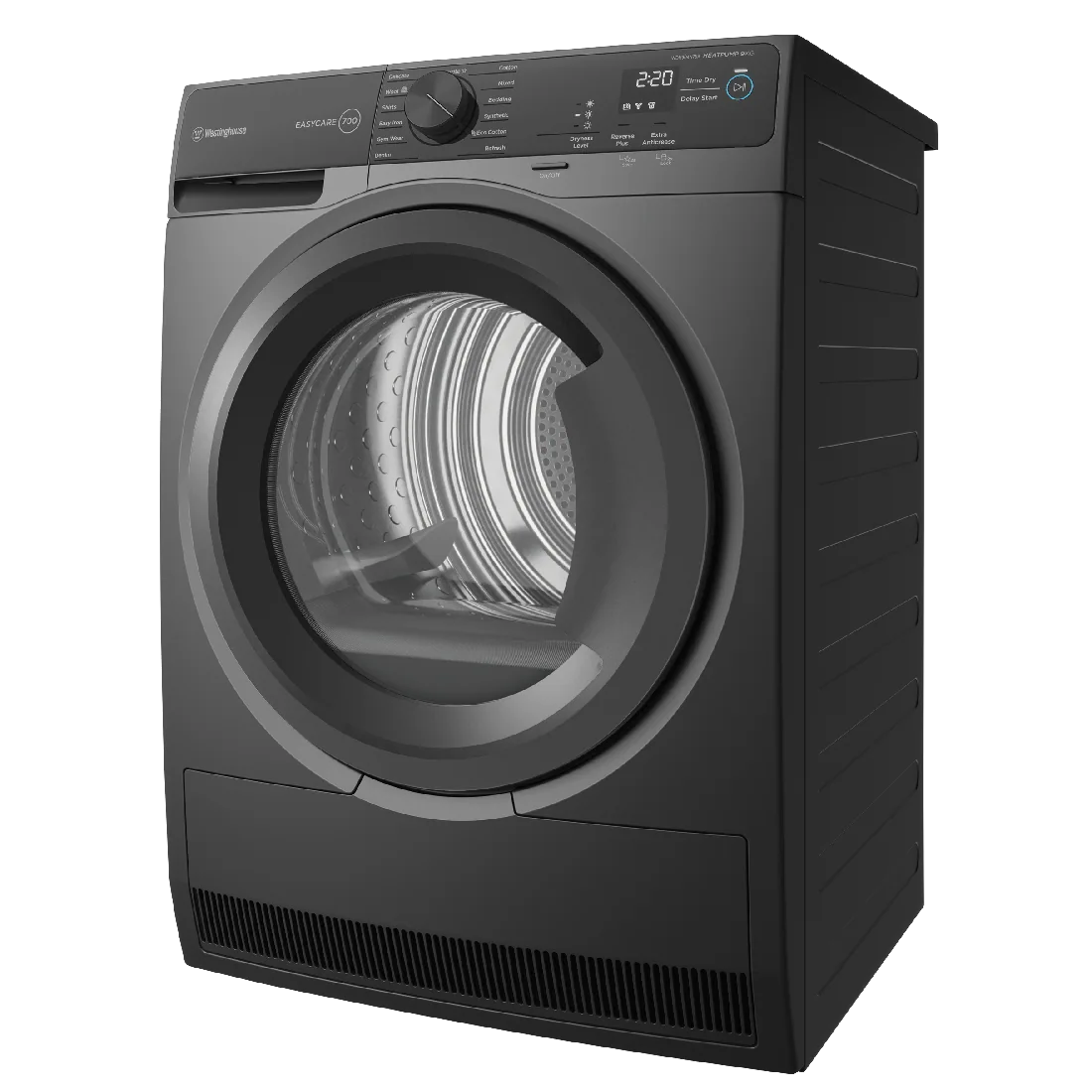
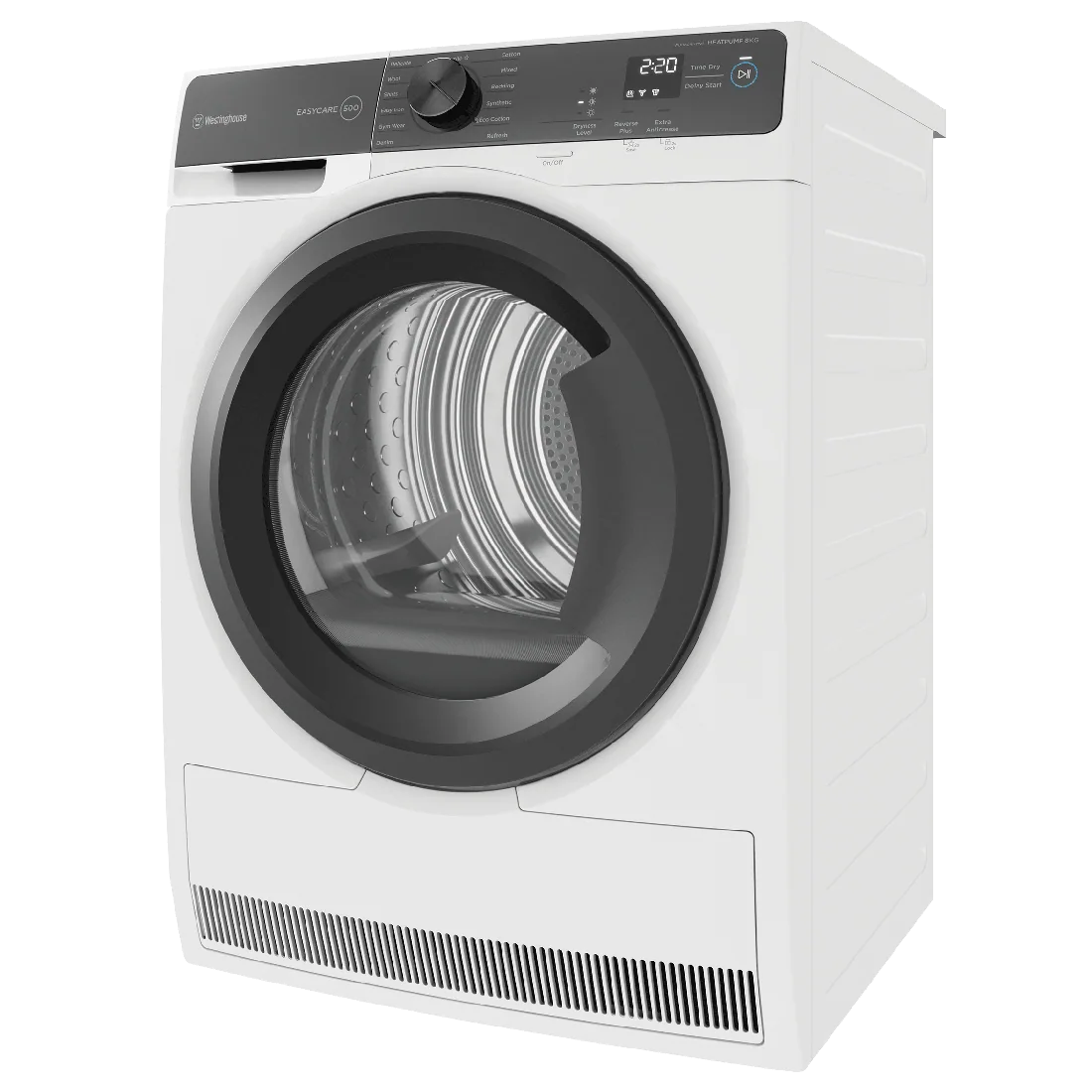
Look at the display and program sequence. Can you identify the recommended cycle, change a permitted dryness level and understand any filter or water-container message? If several people use the laundry, clear everyday controls can matter more than a long list of settings accessed through extra menus.
Care also supports reliable operation. Read the instructions for the accessible filters and any user-cleanable sensors, without transferring a cleaning method from another model. When reviewing Value House dryers, confirm the exact model, included accessories and individual listing details. Choose the machine that makes your usual permitted loads easy to prepare, select and unload.
Before you buy
- List the fabrics you regularly tumble dry.
- Read automatic and timed program guidance.
- Check dryness levels and specialist limits.
- Inspect controls and accessible care points.
Sources & further reading
Prepared with AI assistance using the manufacturer and Australian guidance linked below. Check the exact model’s documentation when planning a purchase or installation.