The key points
- Assess oven, cooktop, services and kitchen space as one replacement.
- Have licensed trades confirm both gas and electrical requirements.
- Include manufacturer-required securing and ventilation in the installation scope.
Check more than the gap between cabinets
Record the available width, surrounding benchtop heights and depth, nearby walls and the position of the rangehood. Check the route through doorways and into the kitchen as well as the final location. The proposed cooker must reach its destination without relying on an improvised removal of doors, handles or other components.
Ask the installer to confirm the manufacturer's required clearances and whether the floor and adjacent cabinetry are suitable. The cooker's nominal width does not specify all the space it needs. Include the open oven door, usable access to controls and a suitable nearby surface for setting down a hot roasting dish.
Separate the oven fuel from the cooktop fuel
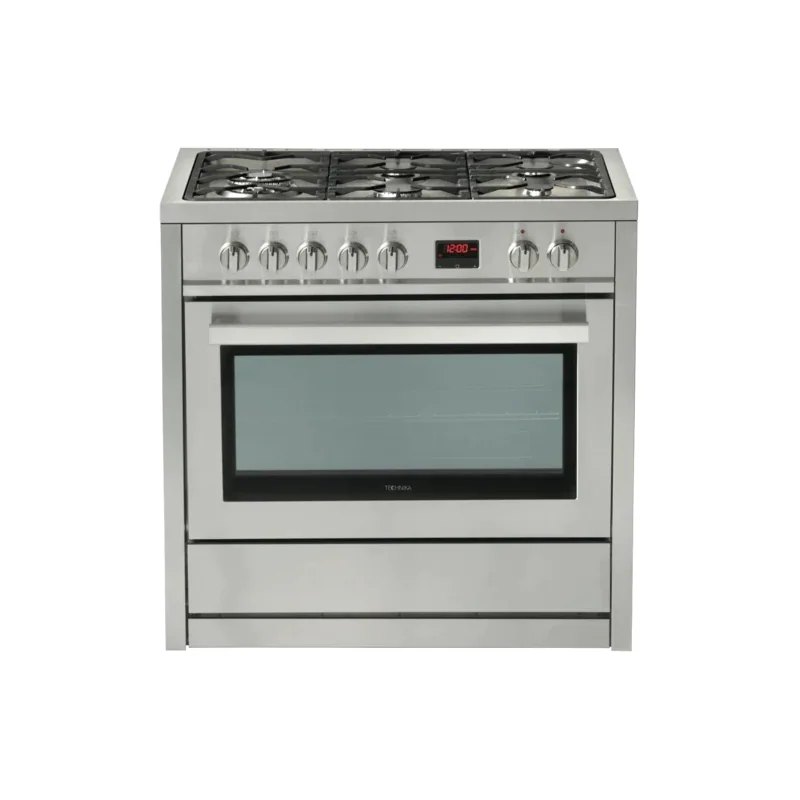
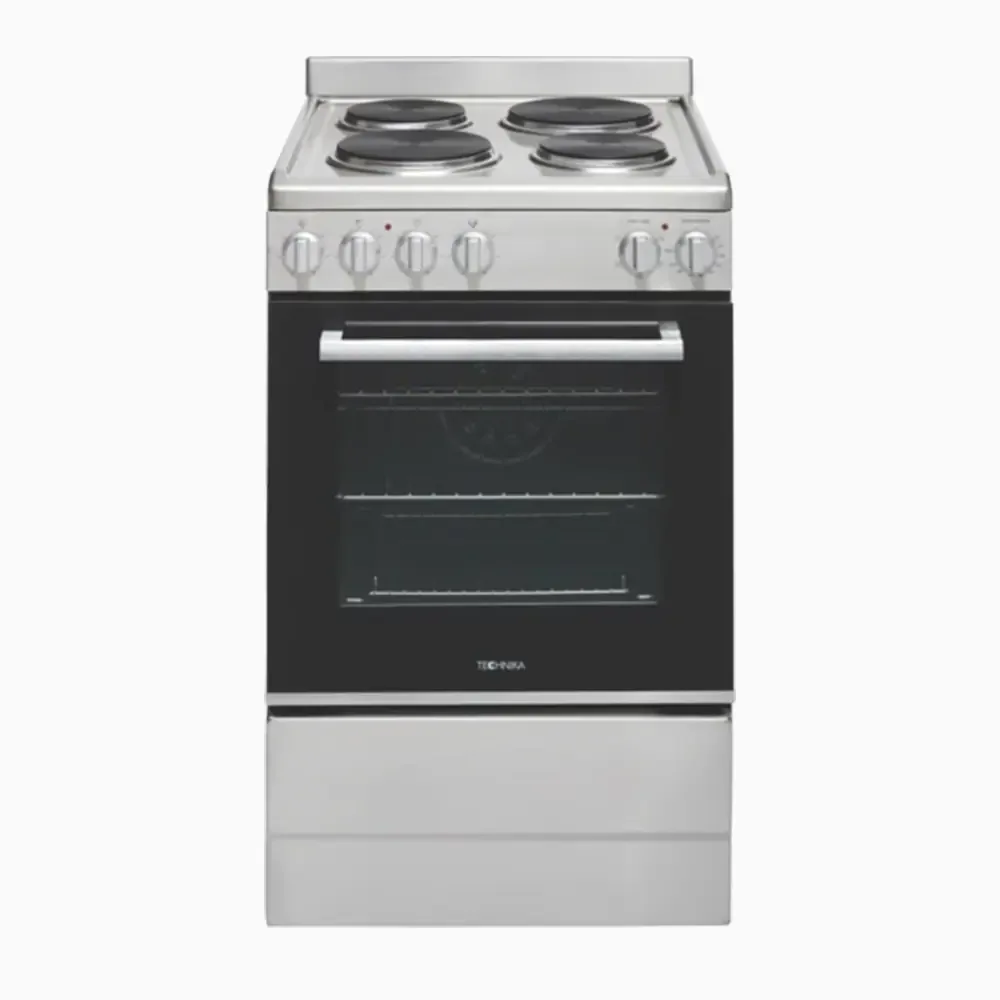
A dual-fuel cooker commonly combines a gas cooktop and electric oven, while an all-electric model can use radiant or induction cooking above the oven. Read the exact specification so you know what each part requires. A gas connection alone does not establish the electrical supply, and an existing electric cooker does not prove the replacement has identical requirements.
Have a licensed electrician assess the proposed electrical load and connection. A licensed gasfitter should confirm gas type, compatibility and any gas connection or disconnection work. Send both trades the complete model instructions before buying, particularly if you are changing fuel type or moving from radiant electric to an induction cooker.
Include ventilation and securing in the plan
Compare the cooktop and rangehood as a pair, including the cooking area's width and the hood's approved installation arrangement. Have the installer check the relevant manuals and local requirements for clearances and ventilation. Existing cupboards and extraction may need review when the new cooker changes the position or type of cooking zones.
Freestanding does not mean unsecured. The manufacturer's required stabilising or anti-tilt arrangement must be installed correctly. Energy Safe Victoria has highlighted the danger of an unsecured cooker tipping forward. Ask the installer to include securing and final stability checks in the scope, without attempting to test a connected cooker by pulling or standing on its door.
Coordinate the complete replacement
Agree who will disconnect and remove the old appliance, supply required installation parts, complete any cabinet work and commission the replacement. Confirm that the installation team has access at the agreed time. If the cooker will be stored temporarily, retain its packaging and follow the maker's handling instructions rather than using the oven handle as a lifting point.
For Value House listings, check the exact model, condition, accessories and stated warranty; these details vary by item. Confirm any required fittings with the installer and clarify what accompanies the actual unit. Once measurements and service requirements are settled, arrange pickup by appointment and coordinate transport with the installation schedule.
Before you buy
- Measure the site and collection route.
- Confirm both cooking functions and fuel types.
- Have trades assess services and clearances.
- Agree securing, removal and installation responsibilities.
Sources & further reading
Prepared with AI assistance using the manufacturer and Australian guidance linked below. Check the exact model’s documentation when planning a purchase or installation.