The key points
- Maximum rpm does not apply to every wash program.
- Use spin settings permitted for the garment and cycle.
- Judge extraction alongside your air drying or dryer routine.
Understand what rpm describes
Revolutions per minute describes how quickly the drum turns during spinning. Spinning extracts water from the washed load; it is different from the drum movement used to clean garments. A higher permitted spin can leave suitable items with less moisture to remove afterwards, although it does not make them ready to wear.
Treat the advertised maximum as a capability under specified conditions. It may not be available on every program or with every load. Compare the program table for cottons, synthetics and the fabrics you wash regularly. The useful question is which settings you can choose on those cycles.
Let the fabric set the limit
Read garment care labels before increasing spin. Wool, delicate constructions and some easy-care garments may require gentler treatment. A model’s specialist programs may restrict spin choices as part of their fabric care settings. Those restrictions are a reason to use the right program, rather than a feature to work around.
If you often wash shirts, compare how the available settings fit the finish you want. If you mainly wash towels, consider extraction and the next drying step. Keep loads with different care requirements separate. No single rpm recommendation is suitable for everything in an ordinary wardrobe.
Think about the drying stage
For items that permit it, effective spinning before tumble drying can reduce the moisture the dryer must remove. The same reasoning can make air drying more manageable when space is limited. The result still depends on fabric, load size, balance and the actual program, so avoid relying on a promised universal time saving.
Try mapping one typical load from washing to storage. If towels regularly monopolise your drying rack, spin performance may deserve attention. If most items are delicate and dried flat, a higher maximum may offer little practical value. This links the specification to a real household task.
Compare control and installation together
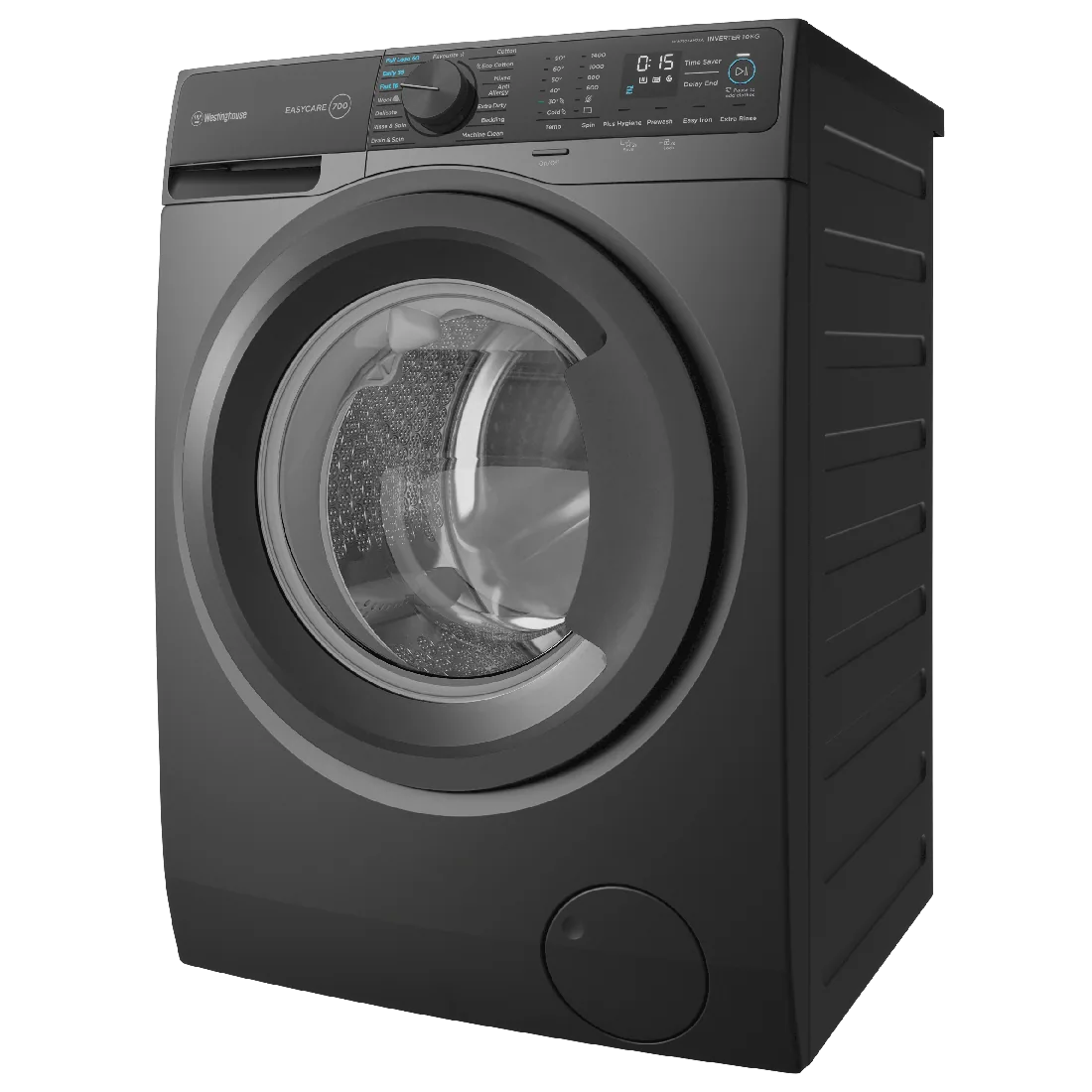
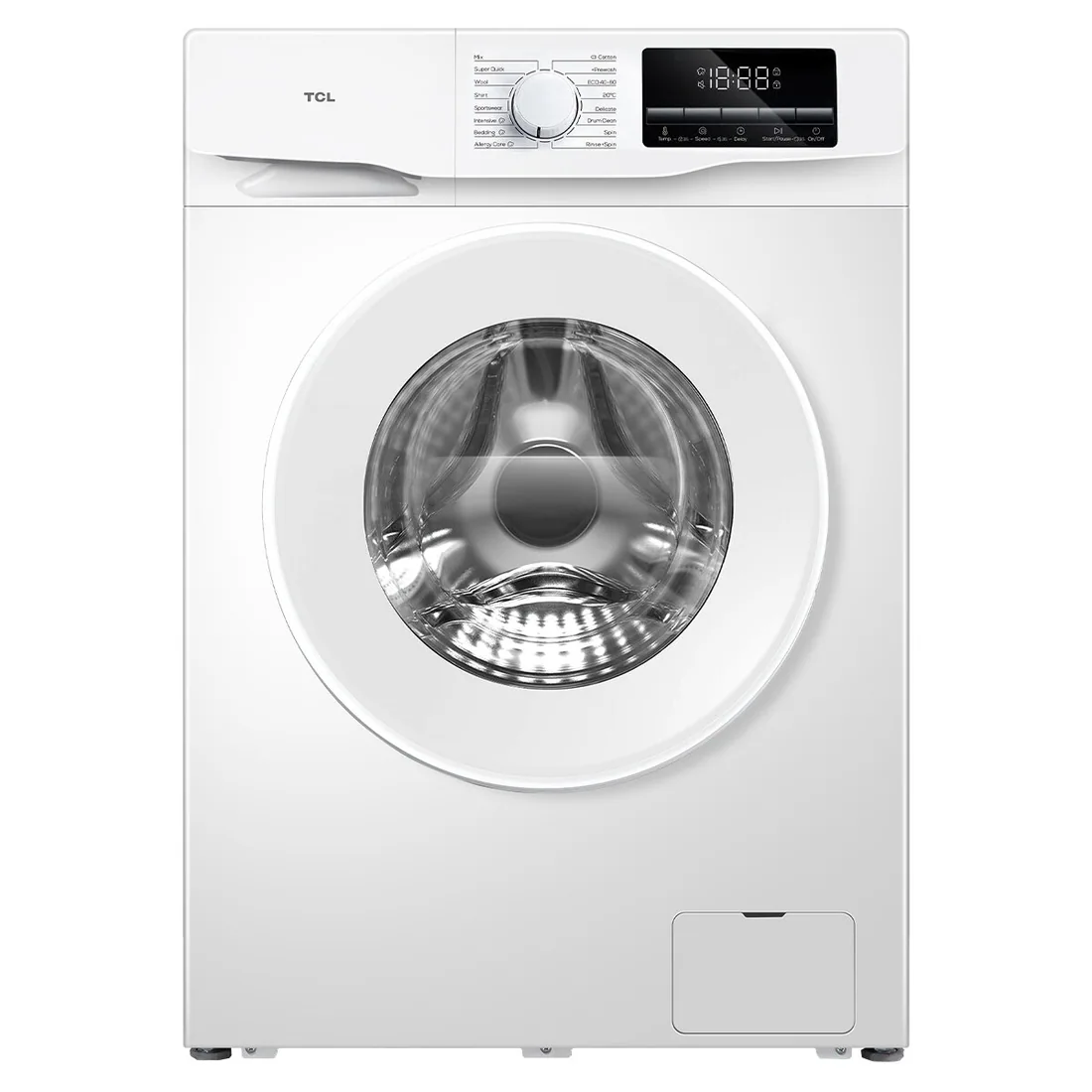
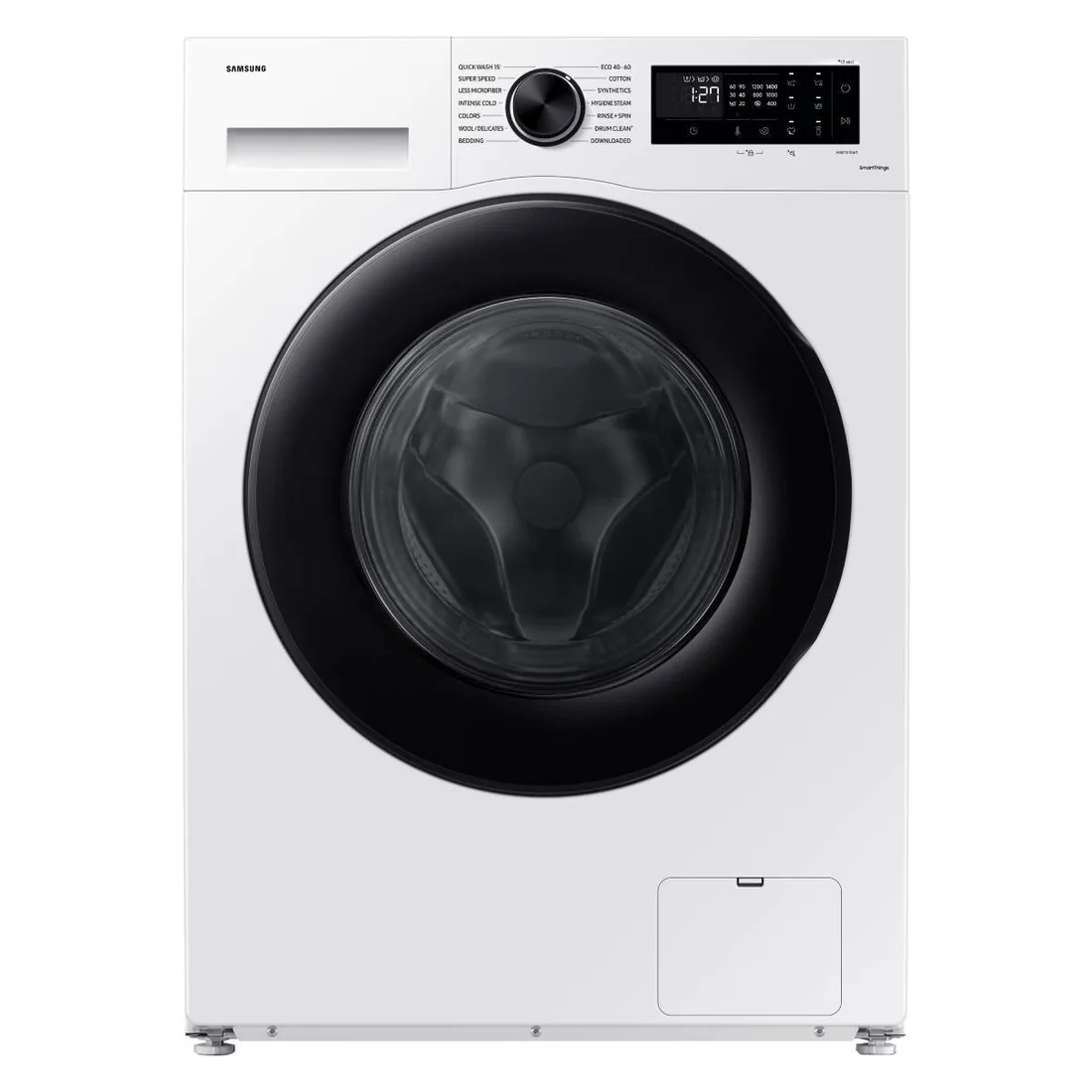
Check whether spin can be reduced or deselected on the programs you use, and whether a separate spin option is provided. Read how the machine handles an unbalanced load. A specification sheet will not show whether the control sequence feels straightforward, so inspect the panel or manual illustrations before deciding.
Installation also matters to your experience of spinning. A washer should be set up on the support and level surface its manual requires, with transport restraints dealt with correctly. If a machine shakes severely or moves during operation, stop using it and arrange an installation or service assessment. Higher rpm is not a remedy for a setup problem.
Before you buy
- Find spin options in the program table.
- Check care labels on frequent loads.
- Compare separate spin and reduced spin controls.
- Plan correct installation and levelling.
Sources & further reading
Prepared with AI assistance using the manufacturer and Australian guidance linked below. Check the exact model’s documentation when planning a purchase or installation.