The key points
- A magnetic base is essential, but size and placement also matter.
- Measure the underside rather than relying on the rim diameter.
- Replace cookware according to real use rather than set size.
Start with the base, then check the label
Induction needs cookware with a suitable magnetic base. Cast iron, enamelled steel and some stainless steel cookware are common candidates. Stainless steel is a broad description, so its name alone is not a guarantee. Aluminium or copper cookware can be compatible when it incorporates an appropriate induction base; consult the cookware maker's instructions.
Hold a magnet against several areas underneath each pan as an initial check. Strong attraction is useful evidence, but also look for an induction compatibility mark or the manufacturer's confirmation. Put uncertain pieces in a separate group so that one ambiguous favourite does not determine your entire appliance purchase.
Measure the cooking base rather than the rim
The size printed on a frying pan often describes its upper rim. Induction pan detection depends on the base interacting with the cooking zone, and a small magnetic section may behave differently from a base that is magnetic across a larger area. Measure the flat underside and compare it with the exact cooktop manual.
Pay particular attention to a small saucepan, moka pot, oversized frypan or rectangular griddle. A pan can be magnetic yet too small for a particular zone to recognise. Bridge or flexible zones also have their own placement and size rules. They do not provide unrestricted heating beneath every possible shape.
Keep the pieces that make cooking manageable
Check that pan bases are smooth and sit flat. Rough bases can mark glass, and dragging heavy cookware adds avoidable wear. Lift pans when moving them, following both appliance and cookware guidance. Think about the weight of a full casserole as well as its compatibility; an empty cast iron pot can already be substantial.
Make three lists: suitable everyday pieces, occasional pieces needing confirmation, and replacements you would actually use. A household that mainly uses one frypan and two saucepans might sensibly replace those first. Buying a large set can leave you with extra lids and sizes while still missing the one pan your cooking requires.
Match the cookware plan to the appliance
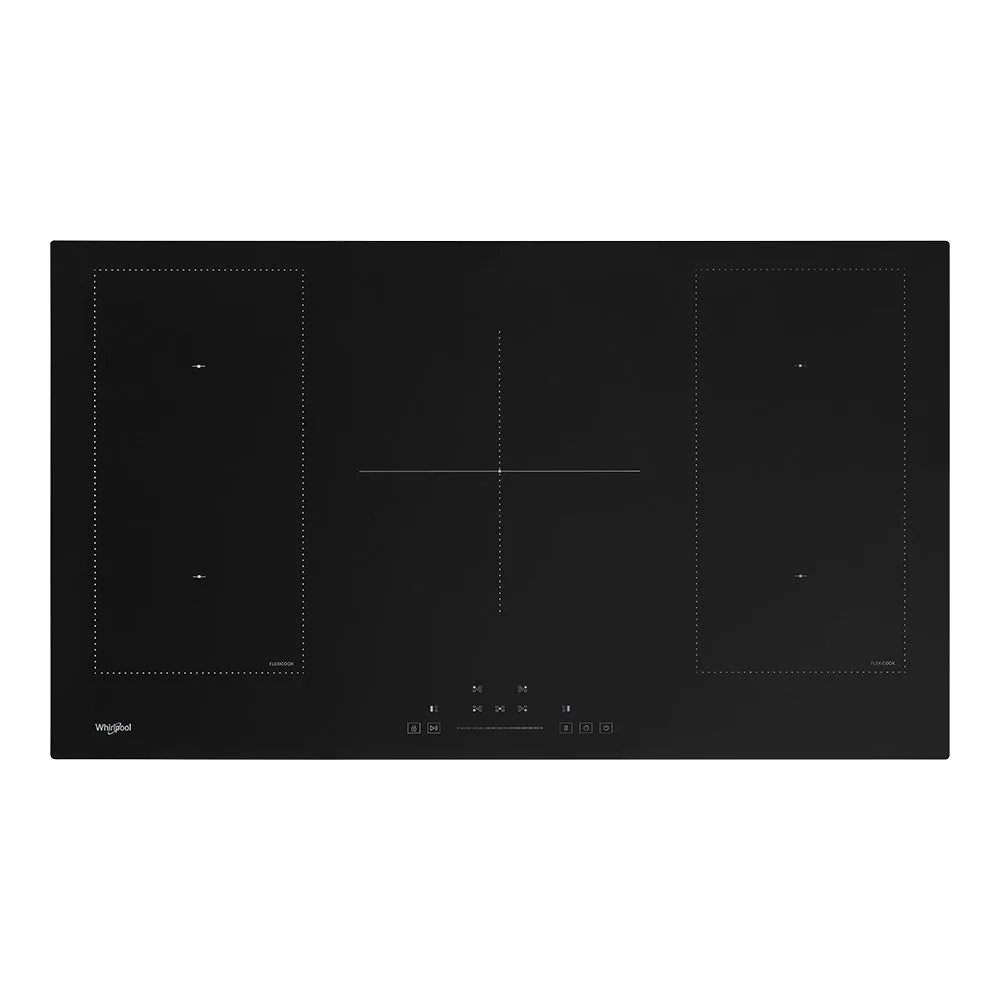
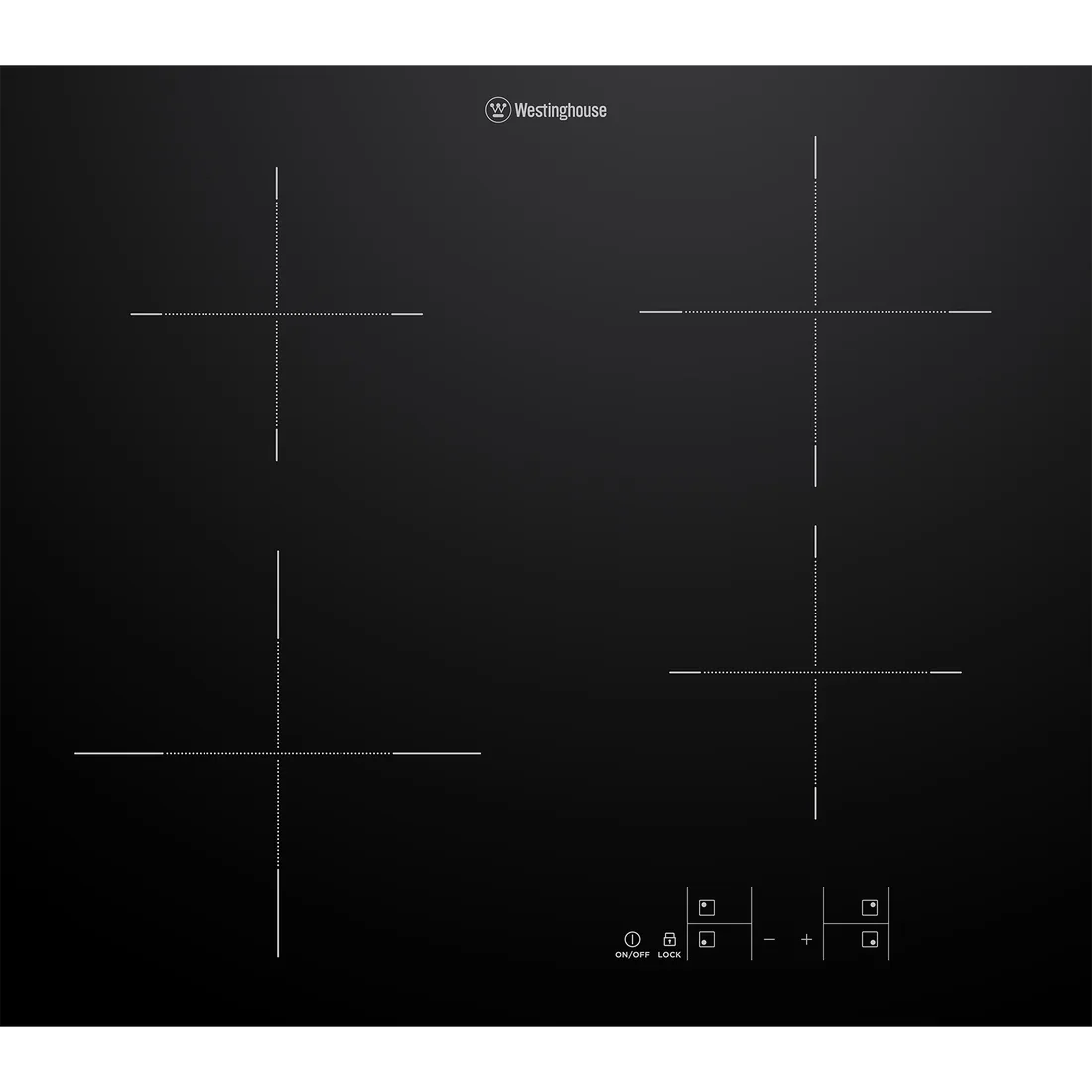
Compare a proposed cooktop's zone diagram with your retained pans laid out on a table. Allow room for handles and for lifting lids comfortably. Read any restrictions on adapter plates, protective mats or other items between cookware and glass rather than assuming an accessory is an approved workaround for incompatible cookware.
For a Value House induction listing, use its exact model number to find the pan-size information before purchasing cookware. Check the item's condition, accessories and stated warranty separately. Once the pan plan and installation assessment agree, organise pickup by appointment and keep the relevant manuals together for first use.
Before you buy
- Magnet-check each regular pan.
- Measure its flat base.
- Check the cooktop pan-size rules.
- Read guidance for any proposed accessory.
Sources & further reading
Prepared with AI assistance using the manufacturer and Australian guidance linked below. Check the exact model’s documentation when planning a purchase or installation.