The key points
- Fan forced and conventional describe heat delivery, not overall quality.
- Read model-specific descriptions for similarly named fan modes.
- Match recipe temperatures and shelf arrangements to the selected function.
Know what the names usually mean
Fan forced generally uses a heating element around a fan at the back of the cavity to circulate heated air. Conventional heat generally uses top and bottom elements without that cooking fan. Manufacturers also offer fan-assisted modes combining a fan with different elements, so read the exact model's function descriptions rather than relying on a symbol alone.
A fan symbol does not identify every detail of a mode. Fan grilling, fan bake and fan forced can use different heat sources and suit different tasks. The cooling fan that protects surrounding components is a separate function again; hearing a fan does not tell you which cooking mode is operating.
Match the function to your regular food
Fan forced can be useful when cooking on several shelves, subject to the model's loading guidance. Conventional settings are another option for recipes designed around a single shelf and a particular top-and-bottom heat pattern. Neither setting removes the need to use suitable bakeware, shelf position and temperature for the food being prepared.
Use two or three regular dishes to assess a prospective oven: perhaps a cake, a tray bake and a dinner using more than one shelf. Check that its manual gives clear recommendations for them. An understandable function you use every week can be more valuable than several specialist programmes you are unlikely to select.
Read recipe temperatures carefully
Recipes may specify a conventional temperature, a fan temperature or both. Check which one is intended before changing the oven setting. Avoid applying a fixed temperature reduction to every recipe and every appliance. Follow the oven's cooking tables and the recipe's guidance, then note useful adjustments for your own cookware and portion sizes.
Allow the recommended preheating and leave the airflow space required by the manual. A large tray or tightly packed dishes can change the cooking arrangement even when the selected temperature is correct. For a new-to-you oven, keep notes on a familiar recipe so later adjustments are based on an actual result rather than memory.
Compare usable controls and supplied accessories
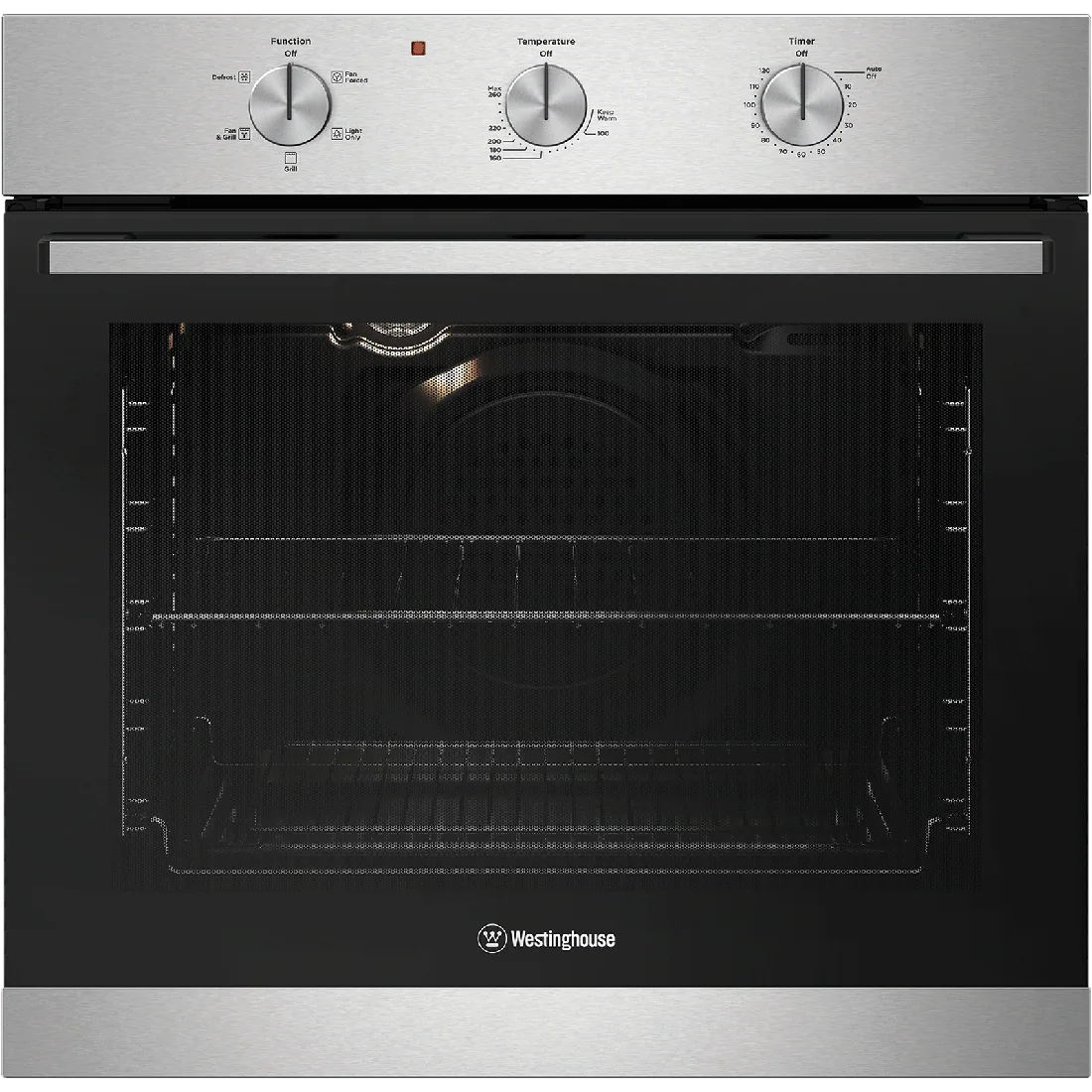
Look at whether the function markings are legible and whether the manual explains them clearly. Check how timers, preheat indications and temperature selection work together. A recognisable control layout is especially useful in a shared household where several people need to choose a setting without searching through a long menu.
For a Value House model, confirm its actual function list and included shelves or trays against the listing. Condition and warranty information vary between units. Have installation requirements checked by the appropriate qualified tradesperson, and arrange pickup by appointment once you have selected the oven whose settings suit your regular cooking.
Before you buy
- Identify the main cooking modes.
- Check guidance for three regular dishes.
- Read recipe temperature assumptions.
- Review controls and included trays.
Sources & further reading
Prepared with AI assistance using the manufacturer and Australian guidance linked below. Check the exact model’s documentation when planning a purchase or installation.