The key points
- Condition terms need an item-specific explanation.
- Compare complete model codes and the same set of details.
- Choose according to documented condition and your practical priorities.
Ask what each listing means
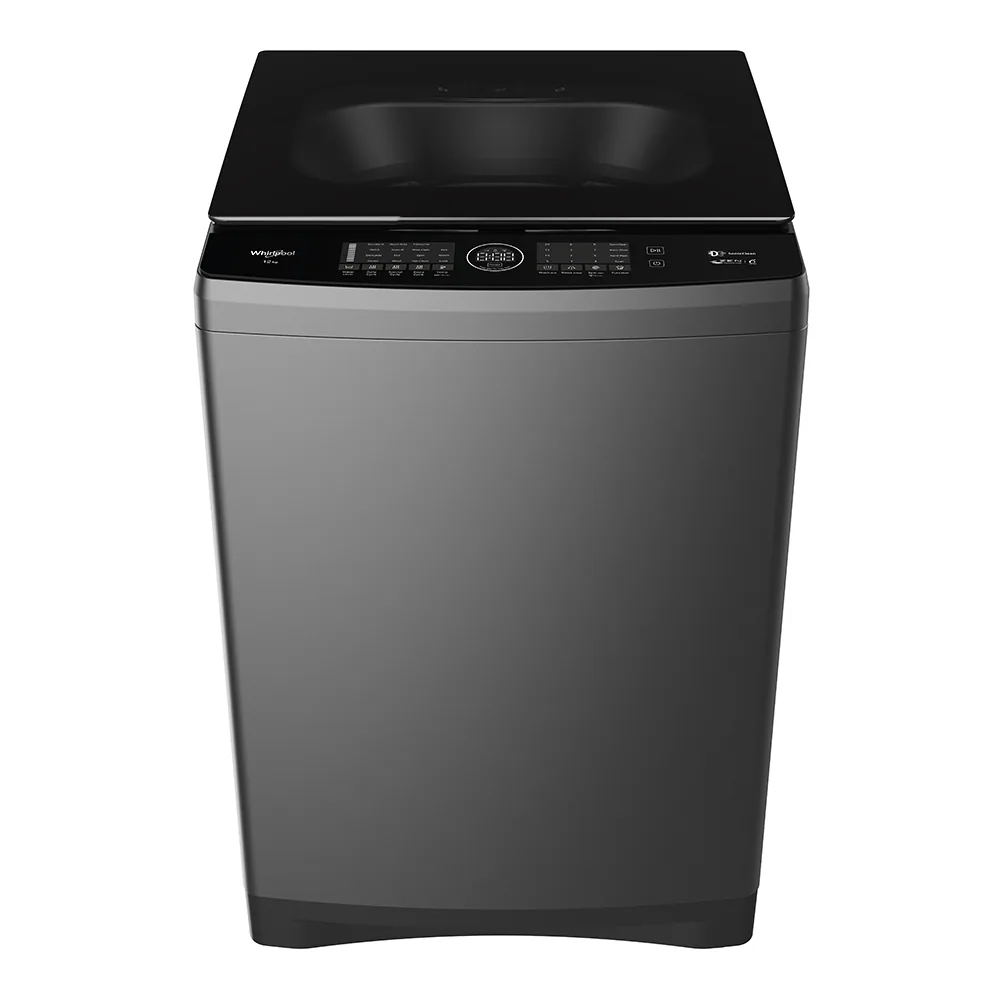
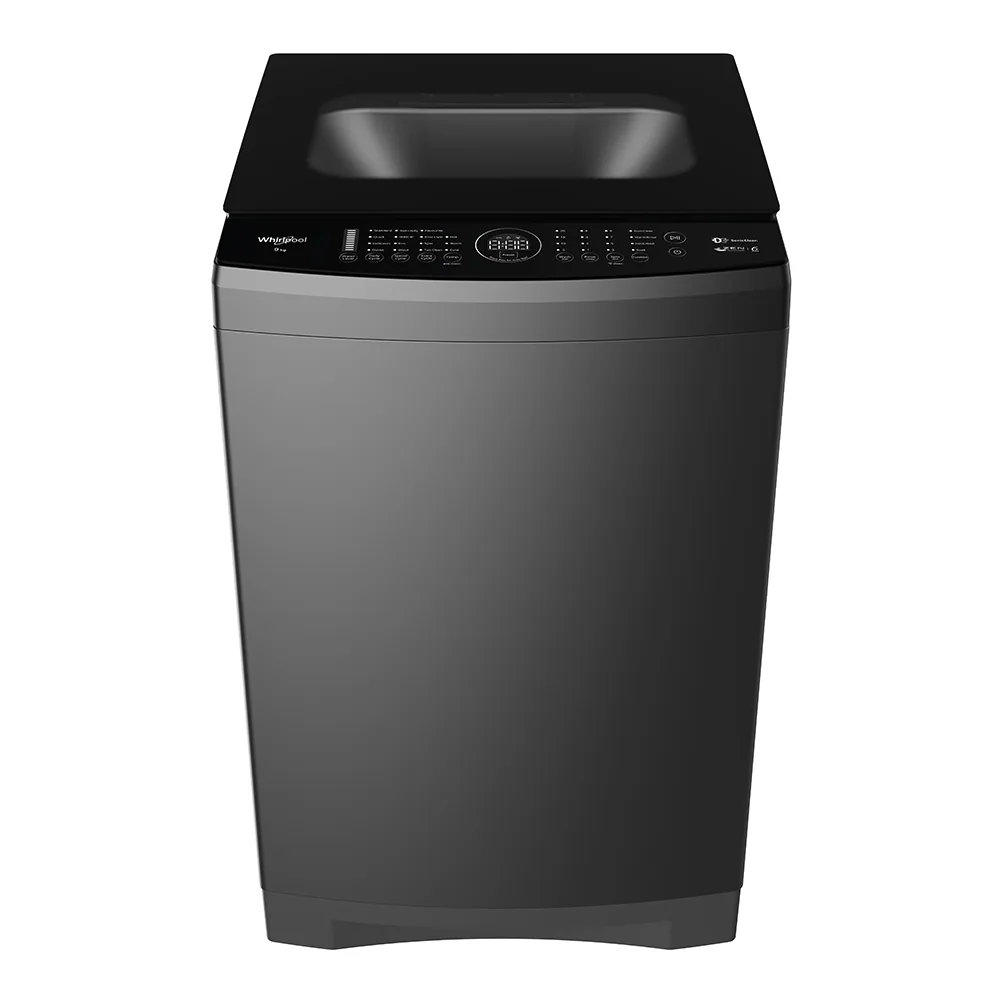
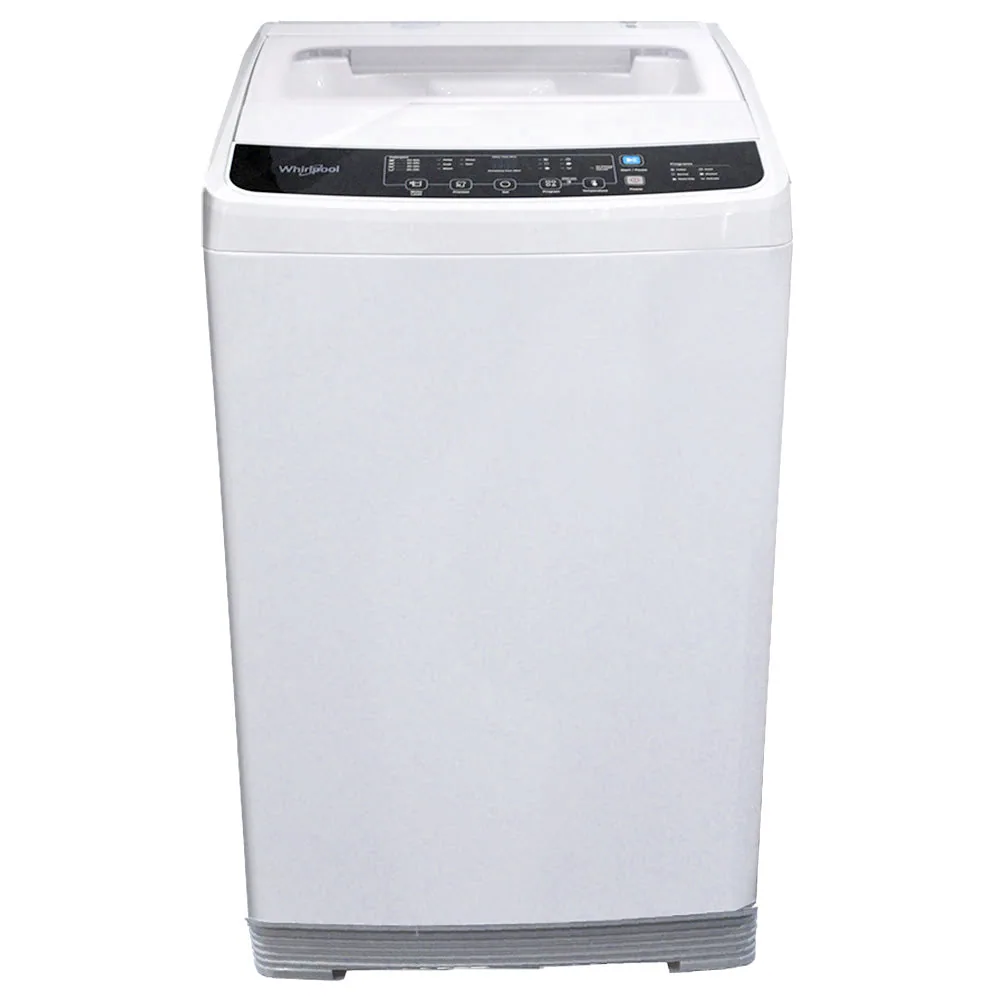
Start with the seller's description of brand new stock and check what it says about packaging, use and included components. If original sealed packaging matters to you, ask about it directly. An image of a model in a kitchen may show its appearance without showing the packaging of the item for sale.
Resealed and factory second are not standardised grades. For a resealed item, ask why the packaging was opened and what is known about its history. For a factory second, ask what condition details prompted that description. Neither term alone establishes previous use, testing, missing accessories or the extent of a cosmetic issue.
Compare the same model and the same information
Use the complete model code in each comparison, including any letters, numbers or suffix after the main name. A similar-looking appliance may have a different control layout or installation requirement. Manufacturer support tools use model details to locate relevant documentation, so keep those identifiers intact when researching.
Create one set of notes for each candidate. Include the condition description, actual-item photographs, accessory list, packaging details and stated warranty. Leave unanswered questions visible. A tidy comparison with gaps clearly marked is more useful than filling those gaps with assumptions about what a condition category usually means.
Work out which differences matter to you
Think about how the item will sit in your room. A mark on a side panel might have a different importance from one on a visible door. Photograph the intended position and compare it with the listing images. Maintain all manufacturer clearances when considering whether surrounding cabinetry will conceal a surface.
Consider your tolerance for appearance and uncertainty separately. You may be comfortable with a clearly documented scratch but still need an answer about a missing shelf. Give each unresolved point a practical next action: request a photograph, confirm a part, read a manual or ask an installer to review the specification.
Read the terms for the actual item
Check the warranty shown for each listing rather than inferring a warranty from its category. Ask who provides it, what the written terms cover and how a claim is made. Warranties sit alongside Australian Consumer Law guarantees; a category label does not remove those guarantees.
Compare the total plan, including any required accessories, transport and installation. Value House displays product condition and warranty information, and you can contact the team to clarify an individual listing. If you intend to collect, arrange a pickup appointment before travelling because the warehouse does not accept walk-in visits.
Before you buy
- Ask what the condition label means for this item.
- Match model codes, photographs and accessory lists.
- Read each listing's warranty terms and keep a copy.
- Confirm the full transport and installation plan before deciding.
Sources & further reading
Prepared with AI assistance using the manufacturer and Australian guidance linked below. Check the exact model’s documentation when planning a purchase or installation.