The key points
- Quick programs usually have specific load and soil limits.
- Longer eco cycles may suit a flexible laundry schedule.
- Compare documented programs rather than names or badges.
Give quick wash the right job
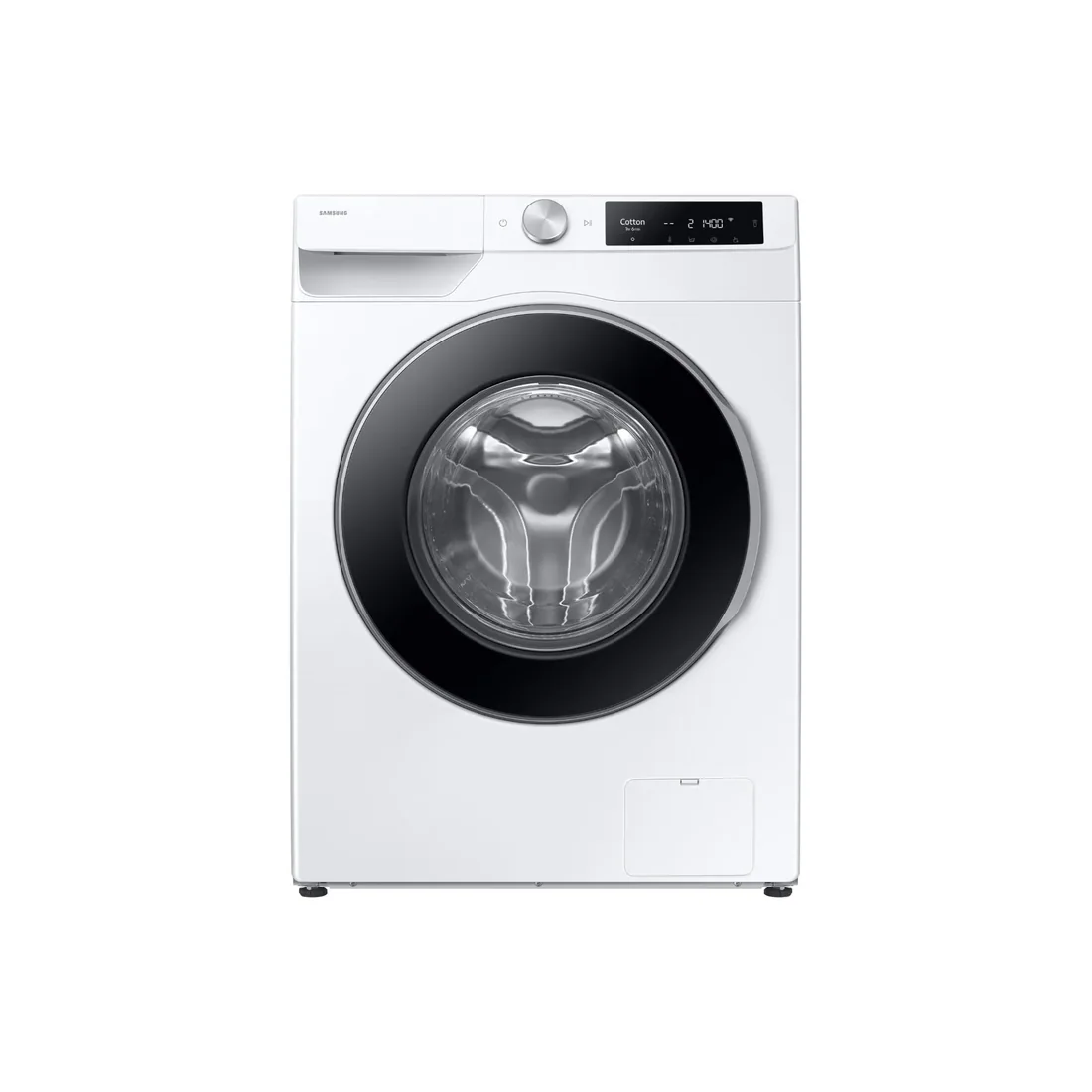
Manufacturer guidance commonly limits rapid washing to a reduced amount of lightly soiled laundry. Samsung’s Australian Quick Wash guidance is one example, with model-specific instructions that need checking in the user manual. A machine’s full advertised capacity should not be transferred automatically to its shortest program.
Think of a few clothes needing a refresh, rather than a packed drum of muddy sports gear. Read the detergent limit and permitted fabrics for the selected cycle. If you regularly need to wash a substantial load quickly, compare the relevant full program and any time-saving options instead of relying on a prominent rapid-cycle badge.
Understand why eco can take longer
Some eco programs trade a longer process for lower resource consumption under their specified conditions. Bosch’s program guide describes a cotton eco setting with this intent. That does not establish the result for every machine or fabric, so use the shortlisted model’s own program and consumption information when comparing it.
A longer displayed time may work perfectly well if the load finishes before you need it. Make a note of the windows in your day when washing is practical. This turns a vague concern about long cycles into a specific requirement, such as finishing uniforms before the evening drying routine.
Treat displayed times as estimates
Program time can respond to load conditions on some machines. Electrolux guidance notes that load differences and imbalance can change cycle duration. Additional options can also alter the planned finish. Read what the manual says about the display before assuming that a changing estimate means something has gone wrong.
If finishing at a particular time matters, compare delay or finish controls and their instructions. Leave a realistic margin for unloading and drying. The shortest washer cycle is not necessarily the quickest route to clothes ready for use, especially when its permitted spin or load size differs from your normal setting.
Buy around the programs you will use
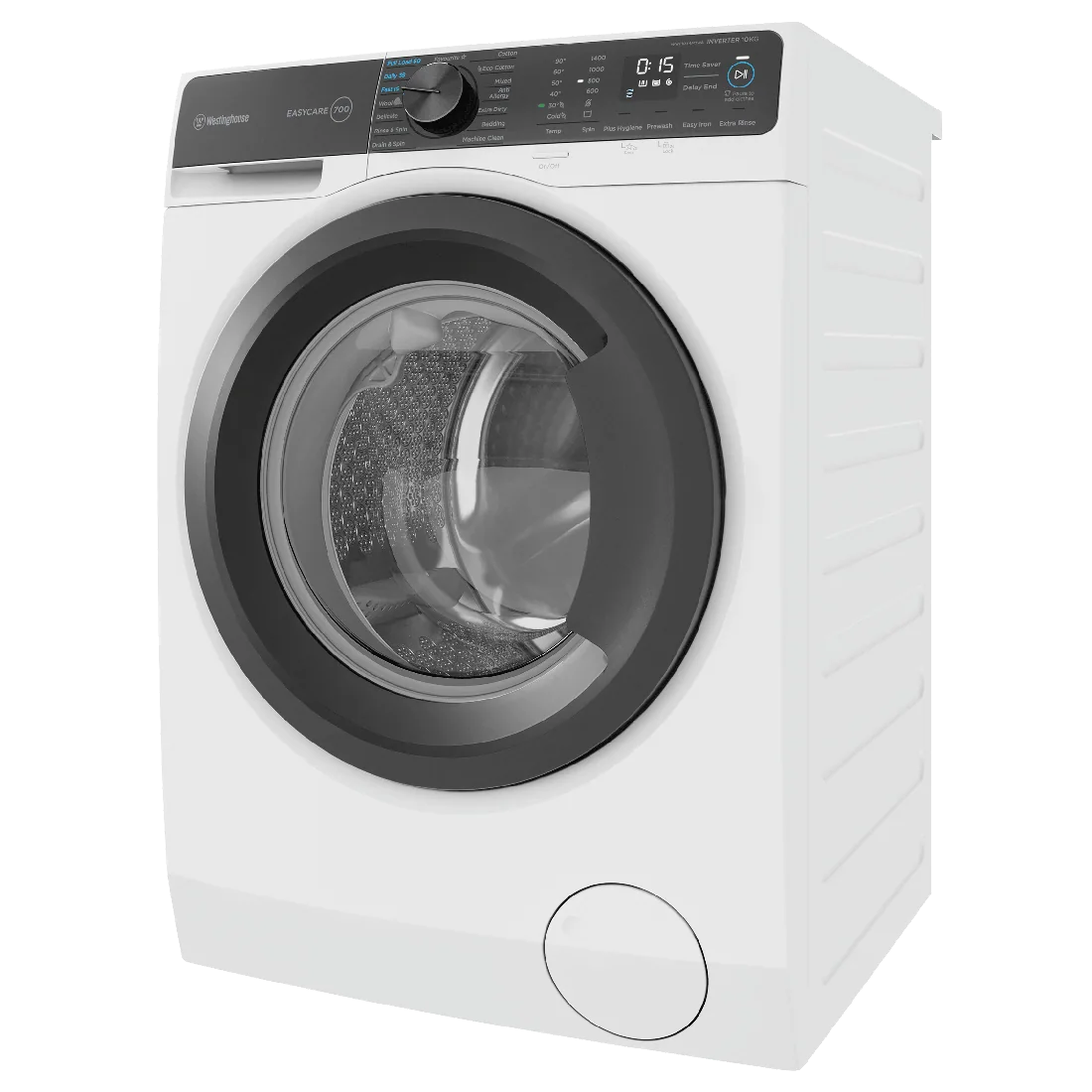
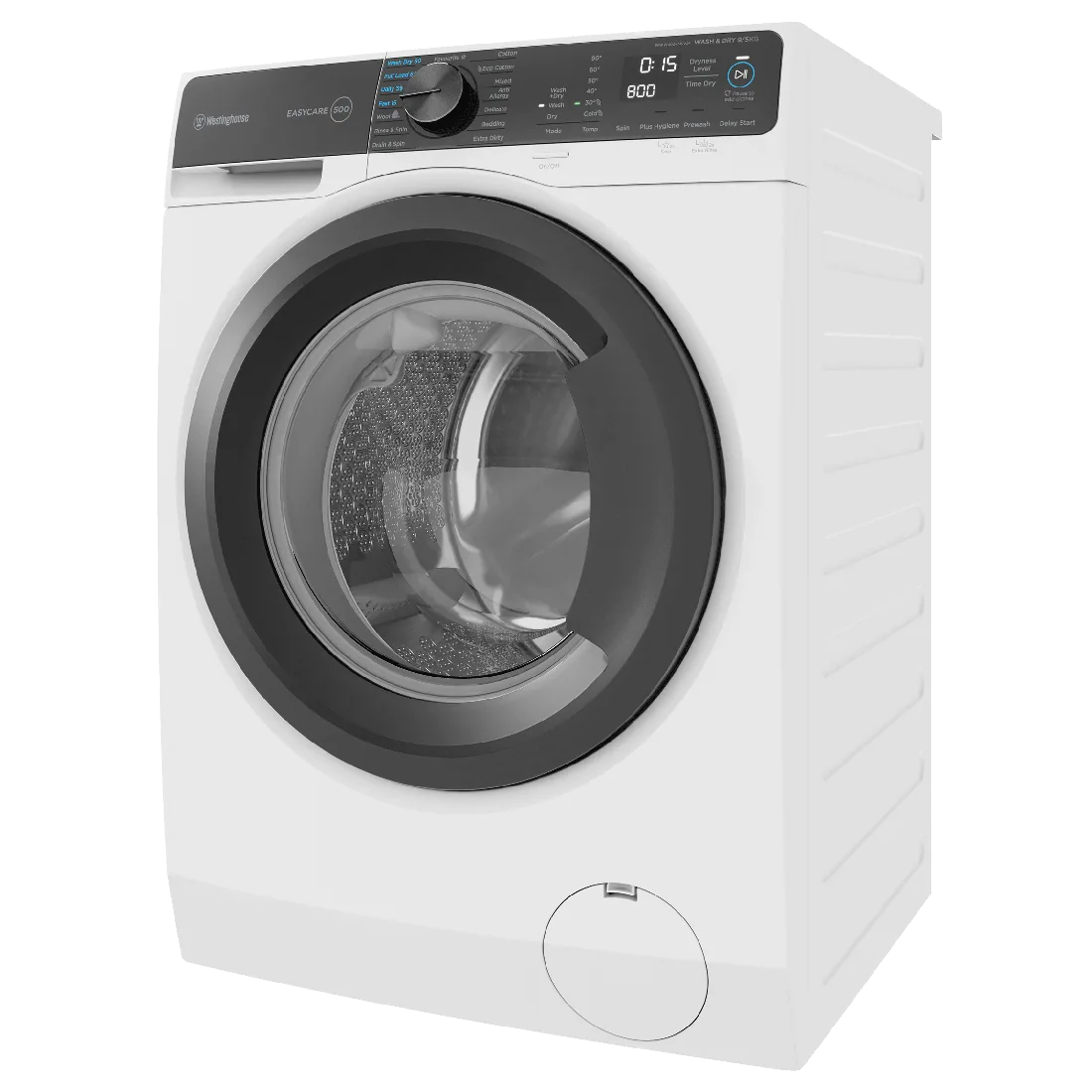
Create a shortlist with three real tasks: an ordinary clothing load, a small urgent load and a care-sensitive load. For each candidate, record the matching cycle, maximum load and available temperature and spin choices. This gives a clearer comparison than counting how many named programs appear around the dial.
Keep efficiency claims tied to the documented program. A result measured on an eco setting should not be assumed for a quick cycle. At Value House, confirm the exact model before using a manual or specification sheet, as similar product names can cover different controls. Choose the washer whose routine programs suit the way your household actually washes.
Before you buy
- Check rapid-cycle capacity and detergent guidance.
- Read eco program consumption information.
- Review how time estimates can change.
- Compare three common household laundry tasks.
Sources & further reading
Prepared with AI assistance using the manufacturer and Australian guidance linked below. Check the exact model’s documentation when planning a purchase or installation.