The key points
- Fully and semi-integrated models place their controls differently.
- Panel dimensions, weight and hinge requirements are model-specific.
- Confirm what is included before budgeting for cabinet work.
Decide where you want the controls
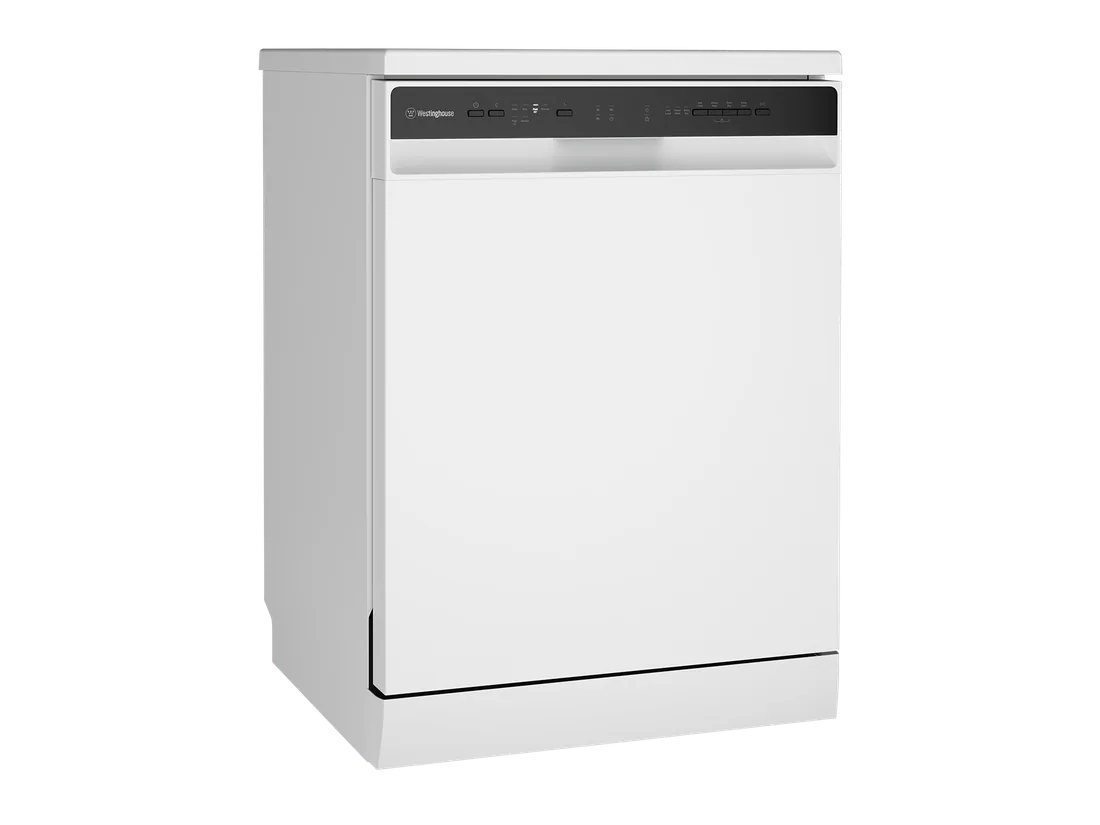
A fully integrated dishwasher conceals the appliance behind a matching front, with controls commonly accessed along the top edge when the door is open. A semi-integrated design leaves its control panel visible above the matching cabinet panel. Bosch explains this distinction in its installation guidance. Think about who will use the machine each day: a visible display may suit someone who likes checking progress at a glance, while a concealed front may suit an uninterrupted run of cupboards. If considering a hidden-control model, investigate its actual cycle-status indication rather than assuming it includes a floor light or external display.
Treat the cabinet panel as a specified part
Panel-ready does not mean any spare cupboard door can be attached. The appliance installation document sets the permitted panel dimensions, thickness and weight, including the handle where specified. Fisher & Paykel integrated installation guidance also addresses panel preparation, door balancing and toe kick movement. Ask a cabinetmaker or installer to compare those requirements with your proposed front. For a replacement, an existing panel may need new fixing positions or may fall outside the new machine’s limits. Keep the old model number and panel measurements, but wait for compatibility to be checked before assuming you can reuse it.
Check movement as well as alignment
The closed front is only half the design. Open the neighbouring cupboard doors in your mental layout, then consider the dishwasher panel moving past the plinth, floor and adjacent handles. A long panel on a low plinth can create a different installation problem from a shorter panel, even when both appliances have similar overall widths. Ask about the exact hinge arrangement and any specified clearance through the full opening movement. Avoid borrowing another brand’s drawing or a generic kitchen diagram. The useful question is whether this model, this panel and this kitchen will operate together once everything is fixed in place.
Make the listing and installation scope match
Clarify whether the sale includes a decorative panel, handle, mounting hardware and any necessary brackets. These items are easy to overlook when most product photographs show a finished kitchen. At Value House, read the individual listing’s condition and warranty information and ask about included components before purchase. Arrange cabinet work and installation with suitable qualified people, using the exact model documents. Allow for a handover that shows how to select a program and recognise its progress with the door closed. A coordinated front is most satisfying when the controls, movement and everyday use have also been planned.
Before you buy
- Choose visible or concealed controls.
- Check the proposed panel against the installation document.
- Confirm door and toe kick movement with the installer.
- List all required panels, handles and mounting parts.
Sources & further reading
Prepared with AI assistance using the manufacturer and Australian guidance linked below. Check the exact model’s documentation when planning a purchase or installation.