The key points
- Check the defrost system on the exact model.
- Manual defrost needs a food and meltwater plan.
- Frost-free appliances still require routine care.
Read the actual defrost specification
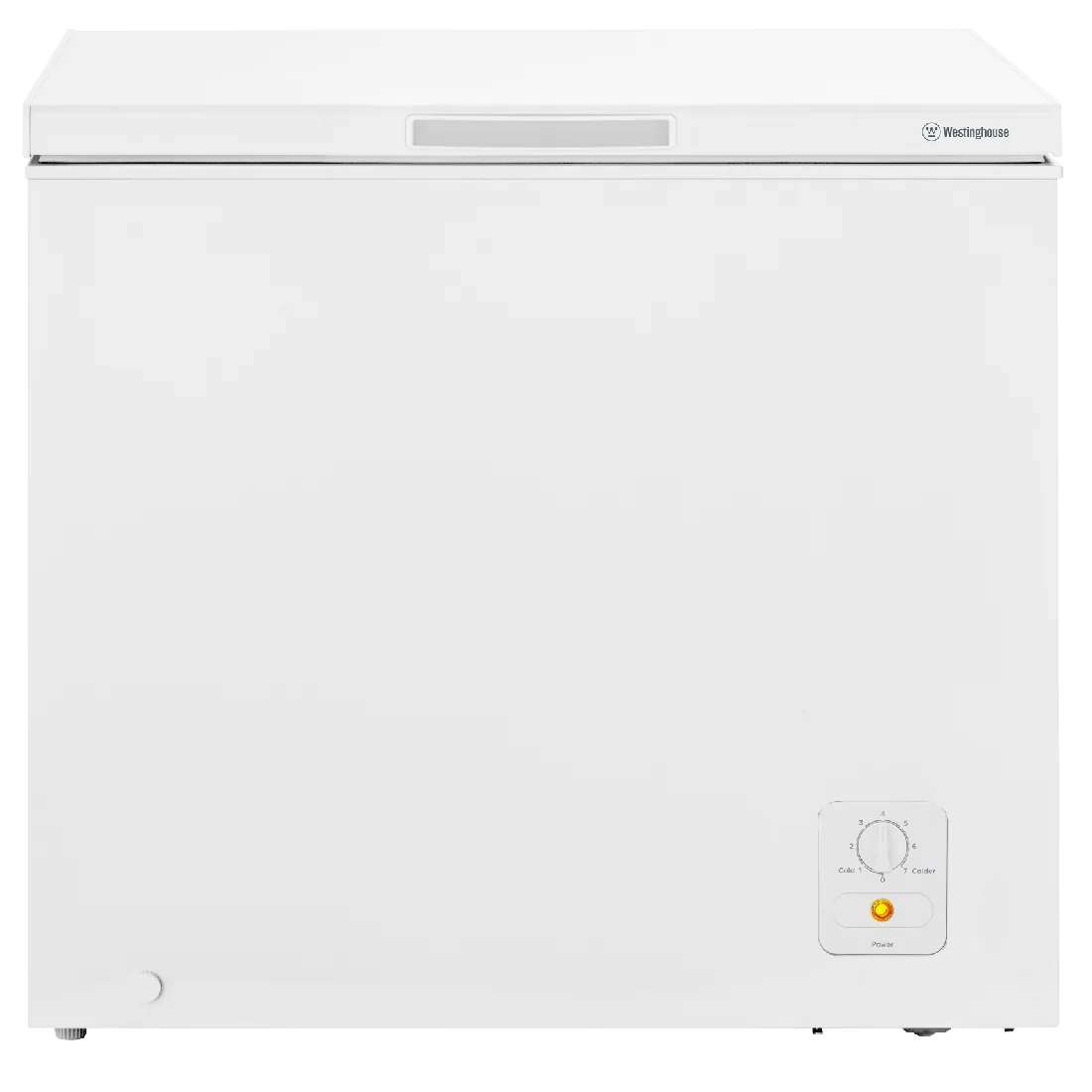
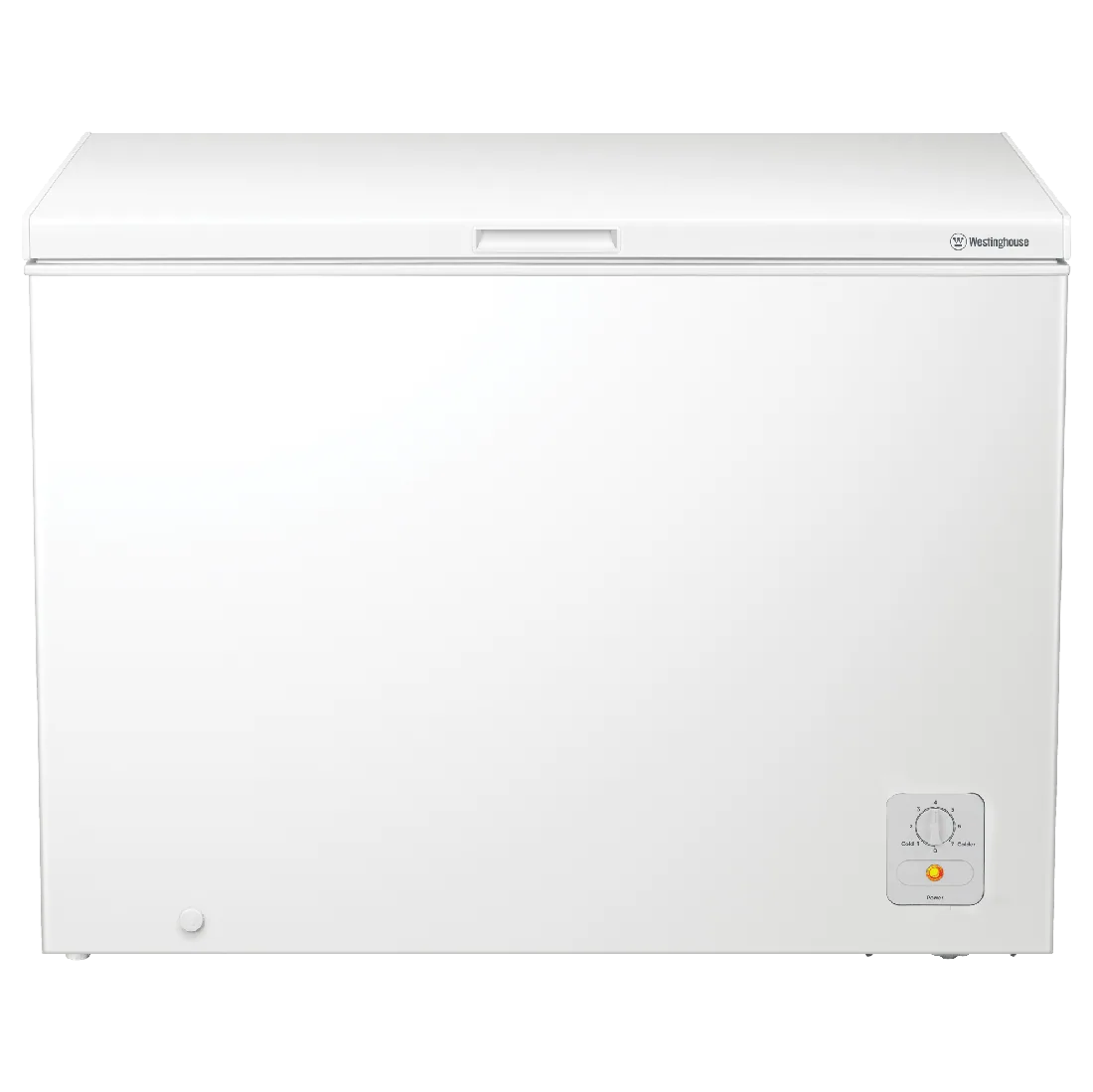
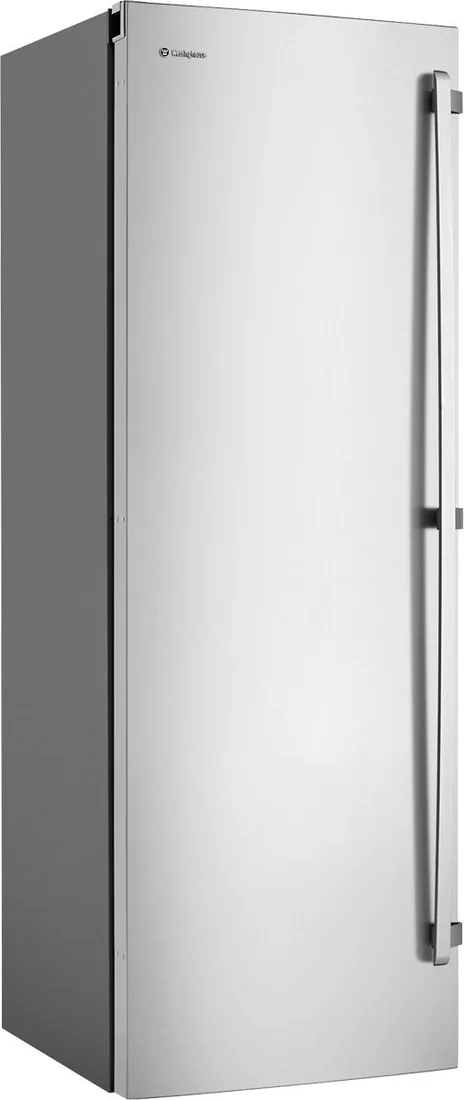
Look for a clear statement of frost-free or manual defrost operation on the model page and in the manual. Do not infer the system from the shape of the freezer. Chest and upright designs can have different systems, and a feature name needs to be checked against the model's description.
If an appliance can switch between refrigerator and freezer modes, check how the controls work in the intended mode. Convertible operation and frost management are separate features. Keep a copy of the relevant instructions so the maintenance task is clear before you buy.
Plan the manual defrost job realistically
Find the manufacturer's trigger for defrosting, method and restart instructions. A manual defrost involves arranging suitable temporary cold storage for the food and managing meltwater. Think about where a container or tray would sit and whether the drainage point is accessible in the planned location.
Do not chip ice with a knife or use powered heating equipment unless the manufacturer specifically approves the method. Follow the appliance's shutdown and defrost procedure. Work out the food-transfer plan before starting, rather than emptying the freezer and only then looking for somewhere to put its contents.
Understand what frost-free still requires
Frost-free operation removes the routine manual defrost task for models specified that way, but the appliance still needs cleaning and correct use. Check the manual for loading guidance and keep the door closing as intended. A feature description does not replace the care instructions for the actual appliance.
Compare how you will access and organise the storage as well. A convenient defrost system will not compensate for drawers that do not suit your food or a lid you cannot comfortably reach. Include these everyday tasks in the same inspection.
Compare the complete ownership job
Record capacity, annual energy consumption, dimensions, opening space and defrost requirements side by side. Use the listed data rather than assuming one defrost type always has a particular energy advantage. Think about who will perform the maintenance and where the food will go when attention is needed.
At Value House, check the actual Brand New, Factory Second or Resealed condition, warranty and included drainage or storage accessories. Pickup is by appointment. Match the model to a suitable location and maintenance plan before booking collection.
Before you buy
- Read the defrost and restart instructions.
- Identify temporary cold storage for maintenance.
- Check drainage and access in the room.
- Compare energy data and individual condition.
Sources & further reading
Prepared with AI assistance using the manufacturer and Australian guidance linked below. Check the exact model’s documentation when planning a purchase or installation.