The key points
- Choose a loading position everyone can use comfortably.
- Check door clearance before comparing extra features.
- Use model labels and program tables for the final comparison.
Try the loading position
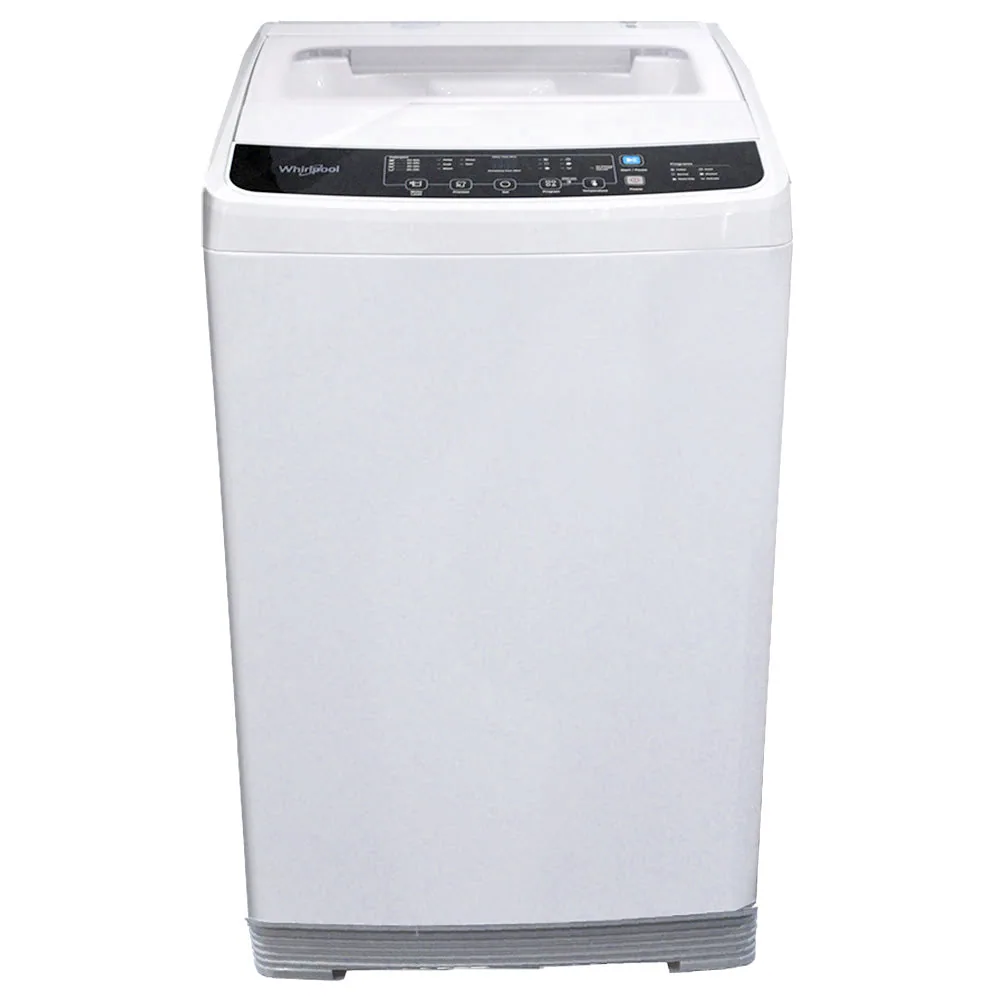
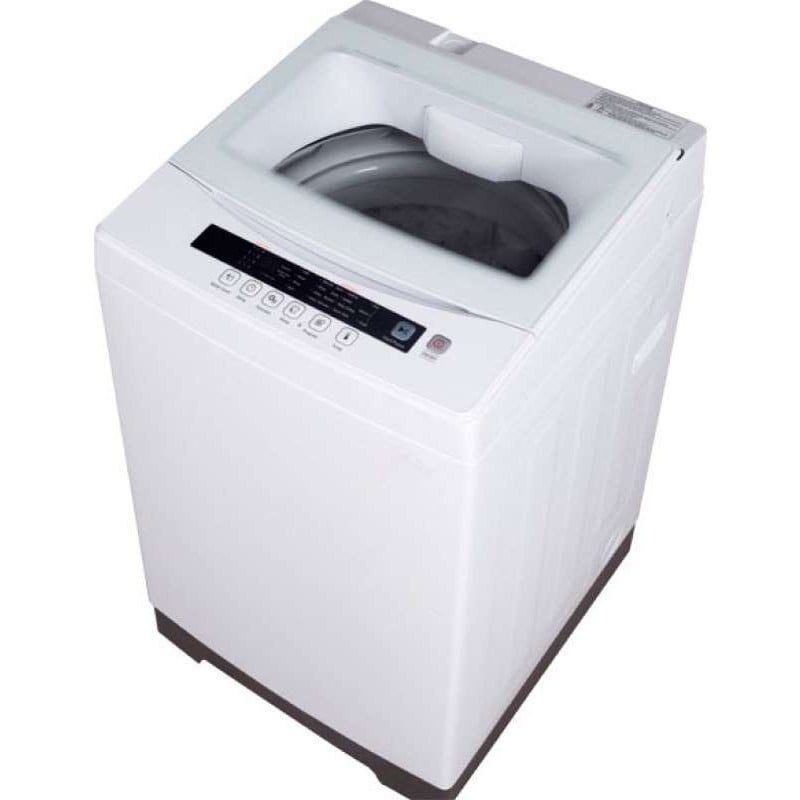
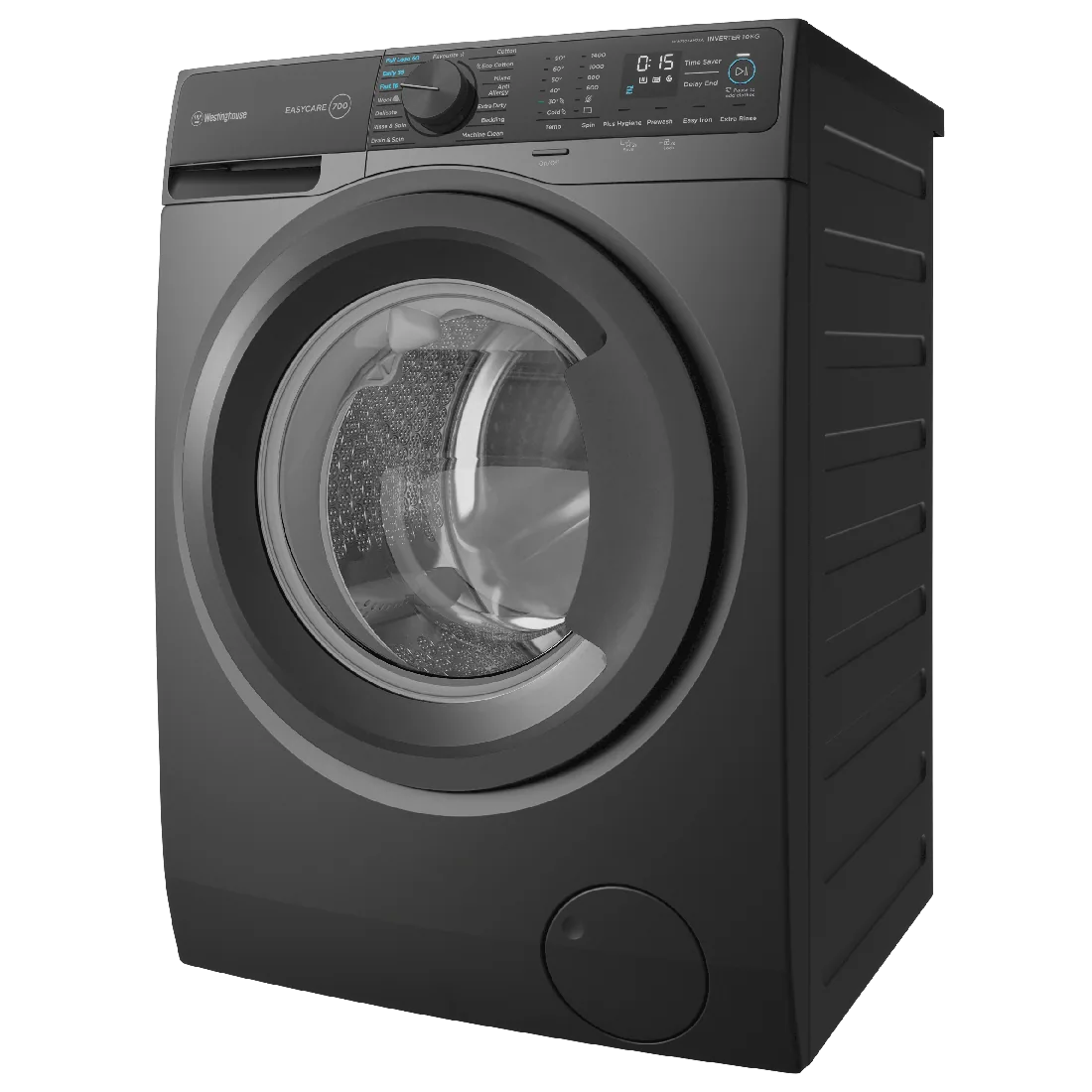
A front loader opens towards you. Picture bending or sitting to reach the back of its drum, with a basket on the floor nearby. A top loader opens upwards, so check whether you can comfortably reach the bottom without leaning hard against the cabinet. An empty showroom drum is useful for this simple access check.
Anyone who shares the laundry should try the same movement. A door that feels easy for one person may be awkward for someone shorter or with restricted movement. Compare control height, print size and how firmly the lid or door must be pulled. These details can matter more than an extra program.
Plan around the door
A top loader needs enough unobstructed space above its lid. Measure nearby shelves and taps before assuming it will work beneath storage. A front loader needs a clear door swing and loading area in front. Include the laundry door, an opposite cupboard and the place where the basket normally sits.
A front loader may also suit an approved washer and dryer stack or a permitted underbench installation. Neither arrangement follows from the washer being front loading alone. Confirm the exact models, installation instructions and any matching kit before changing cabinetry or ordering an appliance.
Compare a normal week
Write down the loads you actually wash: uniforms, towels, workwear, sheets and items that need separate care. For each candidate, read the relevant program table. Compare the permitted load and available spin options for those programs, along with their stated times. The headline kilogram figure does not describe every cycle.
Energy Rating guidance identifies broad differences between the two designs, but the label for each model makes a more useful final comparison. Put similar capacities together and read consumption figures as well as stars. Your chosen temperatures, programs and number of washes will shape actual use.
Make the choice practical
Decide which compromise you are happiest to live with. A household that values clear bench space may choose differently from one that values loading from above. Look at detergent access, the ease of removing clean laundry and where damp items will go next. A quick sketch often exposes an awkward transfer between appliances.
When comparing Value House listings, check the exact model number and read the stated condition, included accessories and warranty information for that appliance. Bring your measurements to any viewing and arrange pickup by appointment. A familiar brand name should support your checks, rather than replace them.
Before you buy
- Measure the lid or door opening area.
- List your most frequent laundry loads.
- Read each model’s program table.
- Check the individual listing and pickup arrangements.
Sources & further reading
Prepared with AI assistance using the manufacturer and Australian guidance linked below. Check the exact model’s documentation when planning a purchase or installation.