The key points
- Check temperatures with a suitable thermometer.
- Separate raw foods from ready-to-eat foods.
- Follow date marks and after-opening instructions.
Check temperature rather than guessing
The NSW Food Authority advises keeping home fridges below 5°C and freezers at -18°C or below. Check regularly with a suitable fridge thermometer and follow the thermometer's instructions. A control setting or number on a dial should not be assumed to represent the actual food-storage temperature.
Read the appliance manual to understand its display and settings. If a compartment has a special function or variable temperature, confirm its intended use before placing food there. Write down the normal settings in a simple household note so another user can recognise an accidental change.
Arrange the interior to support food handling
Keep raw foods separate from cooked and ready-to-eat foods. NSW guidance recommends sealed or covered containers for raw foods at the bottom of the fridge, below ready-to-eat items, to help prevent drips causing contamination. Choose containers that fit securely without creating an awkward stack.
Give each category a clear place, then check that the arrangement follows the appliance's airflow instructions. FSANZ advises against overloading fridges because air circulation matters. Before a large gathering, plan storage ahead rather than squeezing extra trays into a space already full of everyday groceries.
Make labels part of the routine
Read use-by dates and any directions applying after opening. The NSW Food Authority says food past its use-by date should be discarded even when it looks acceptable. A best-before date has a different meaning, but correct storage and the food's condition still matter.
Use a clearly visible area for items that need attention soon, while maintaining separation of raw and ready-to-eat foods. Mark an opening date when the package gives an after-opening limit. This small step makes the instruction usable for everyone in the household, especially when several people share the same food.
Choose a fridge that makes the checks easy
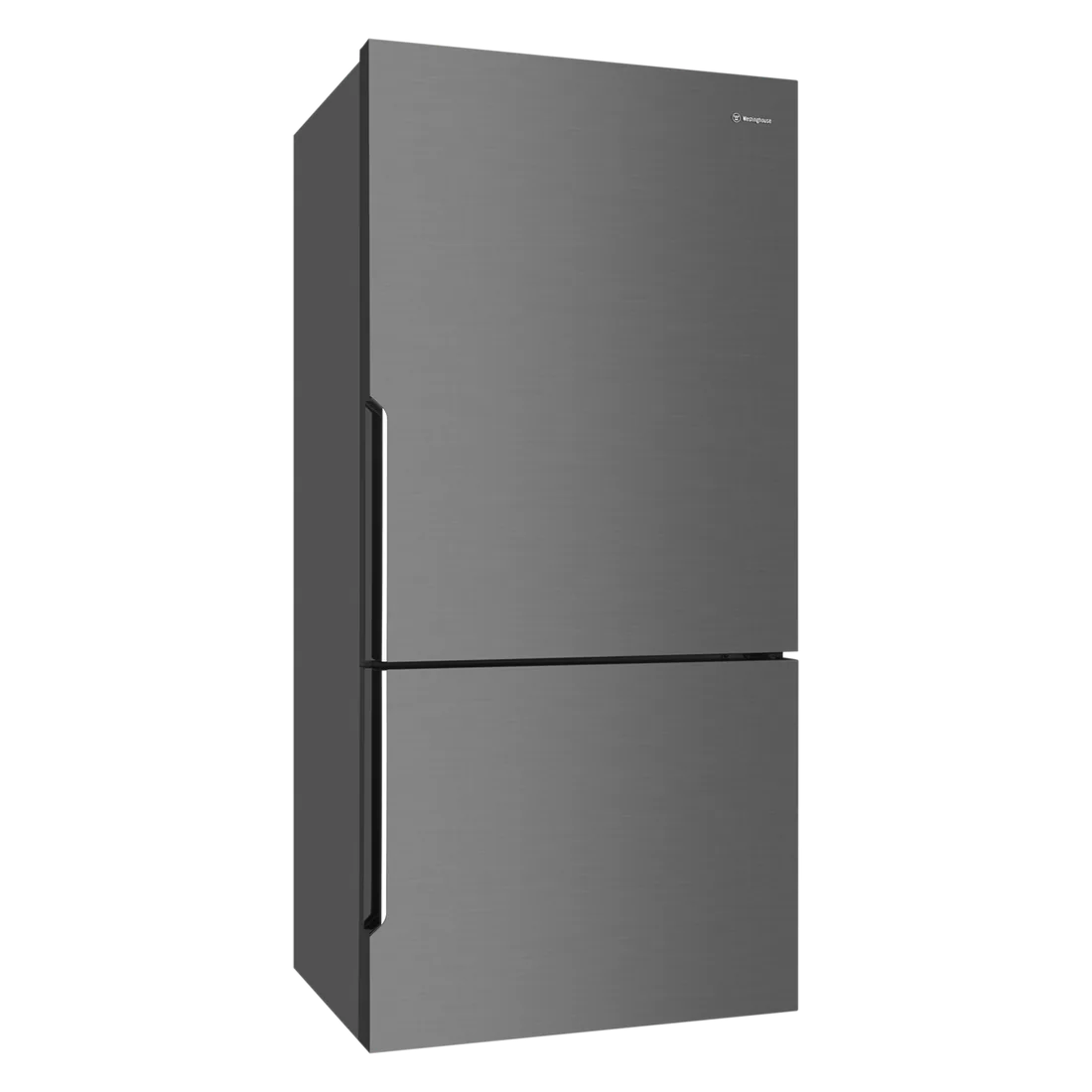
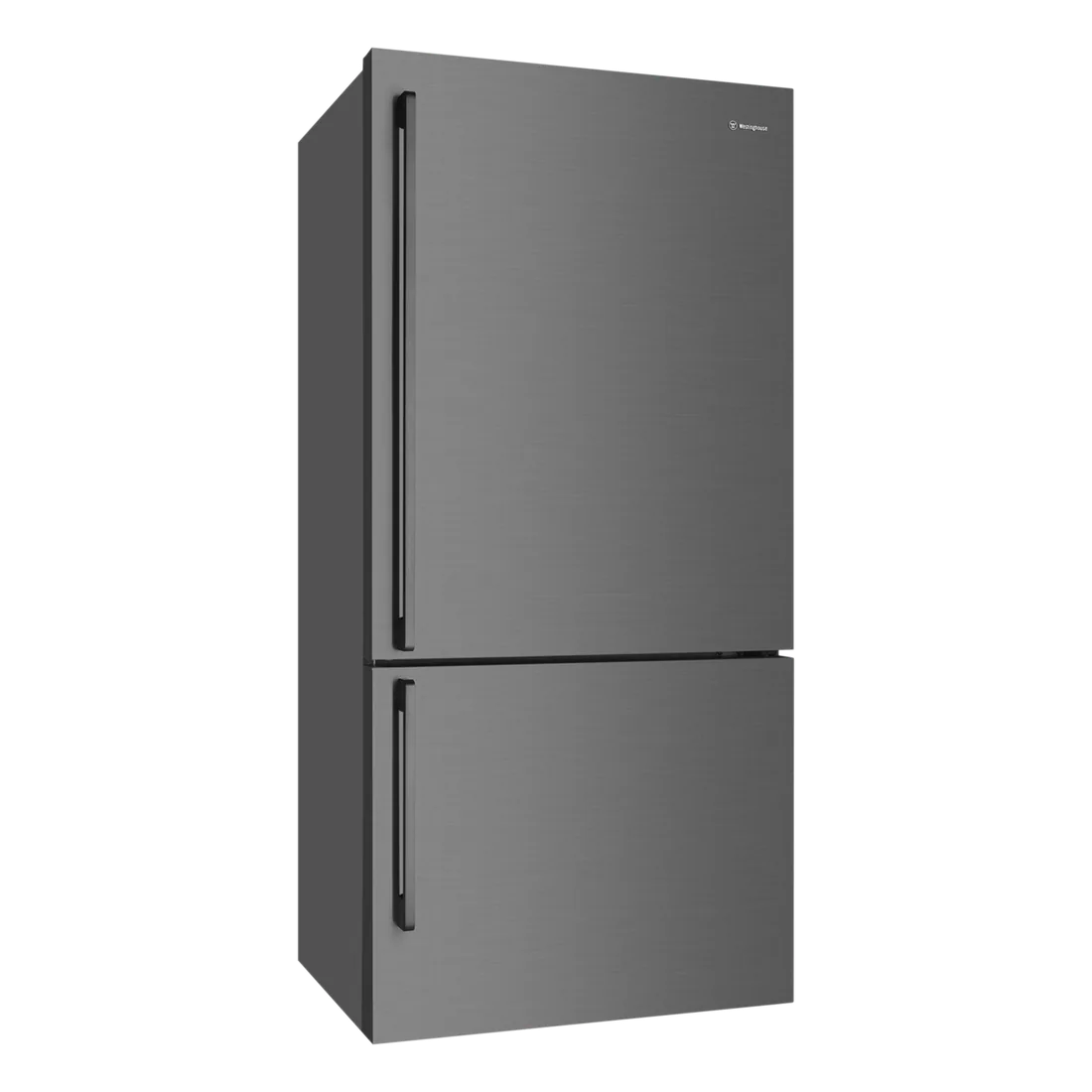
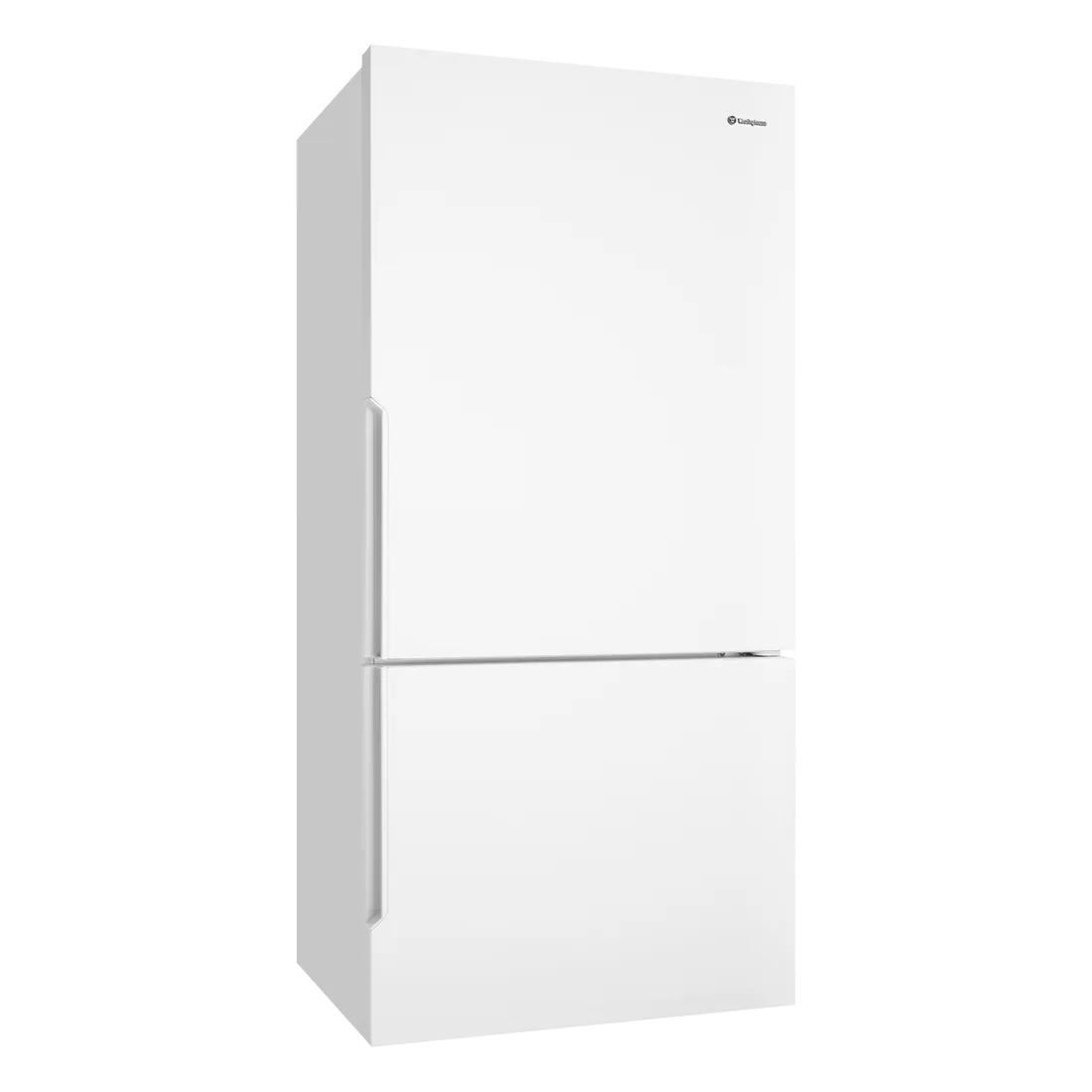
When buying, inspect whether you can see the controls, reach the storage areas and place a thermometer appropriately according to its instructions. Consider whether your containers allow the shelves to stay organised. These are practical design questions; extra capacity alone does not take care of food handling.
At Value House, check each appliance's Brand New, Factory Second or Resealed condition, supplied fittings and actual warranty. Pickup is by appointment. Keep the manual and purchase details after installation, and use Australian food authority guidance when a storage or handling question arises.
Before you buy
- Check fridge and freezer temperatures regularly.
- Use covered containers for raw food.
- Maintain the model's required internal airflow.
- Review dates and storage directions after shopping.
Sources & further reading
Prepared with AI assistance using the manufacturer and Australian guidance linked below. Check the exact model’s documentation when planning a purchase or installation.