The key points
- Check the exact installation type, not the photograph alone.
- Only remove a top when the model instructions allow it.
- Door access and complete installation cost matter alongside appearance.
Understand what the name tells you
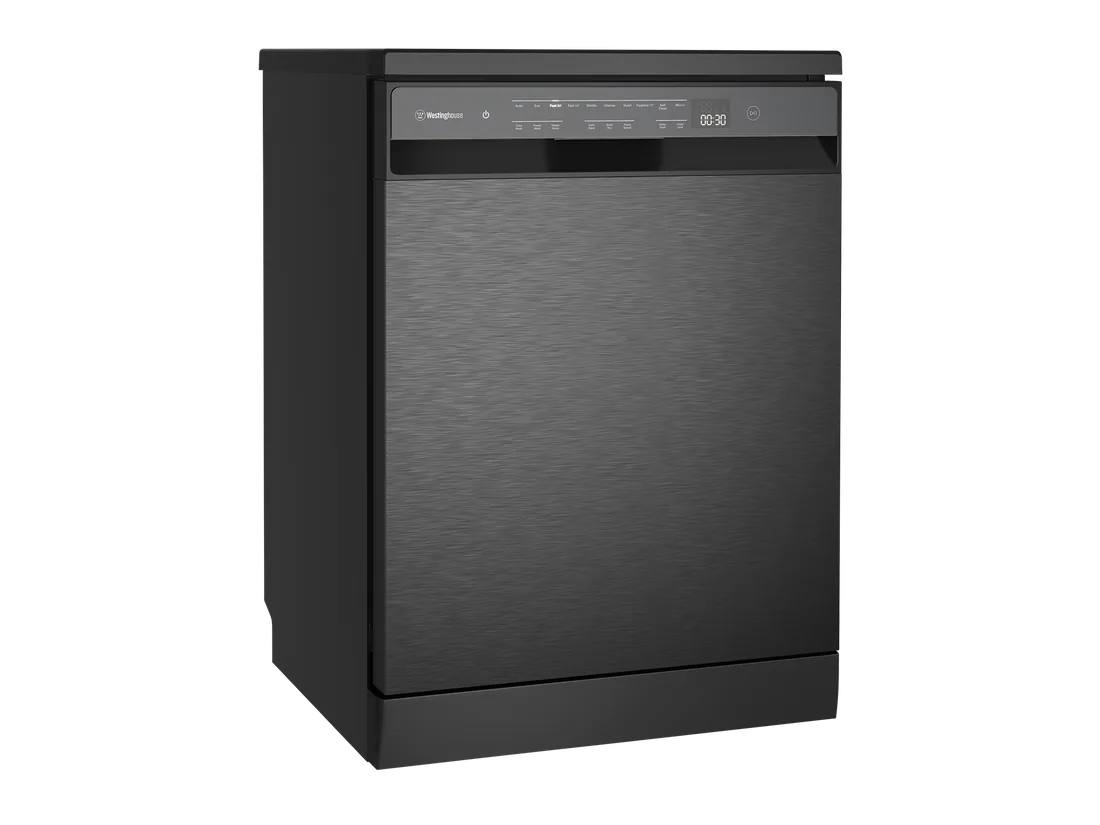
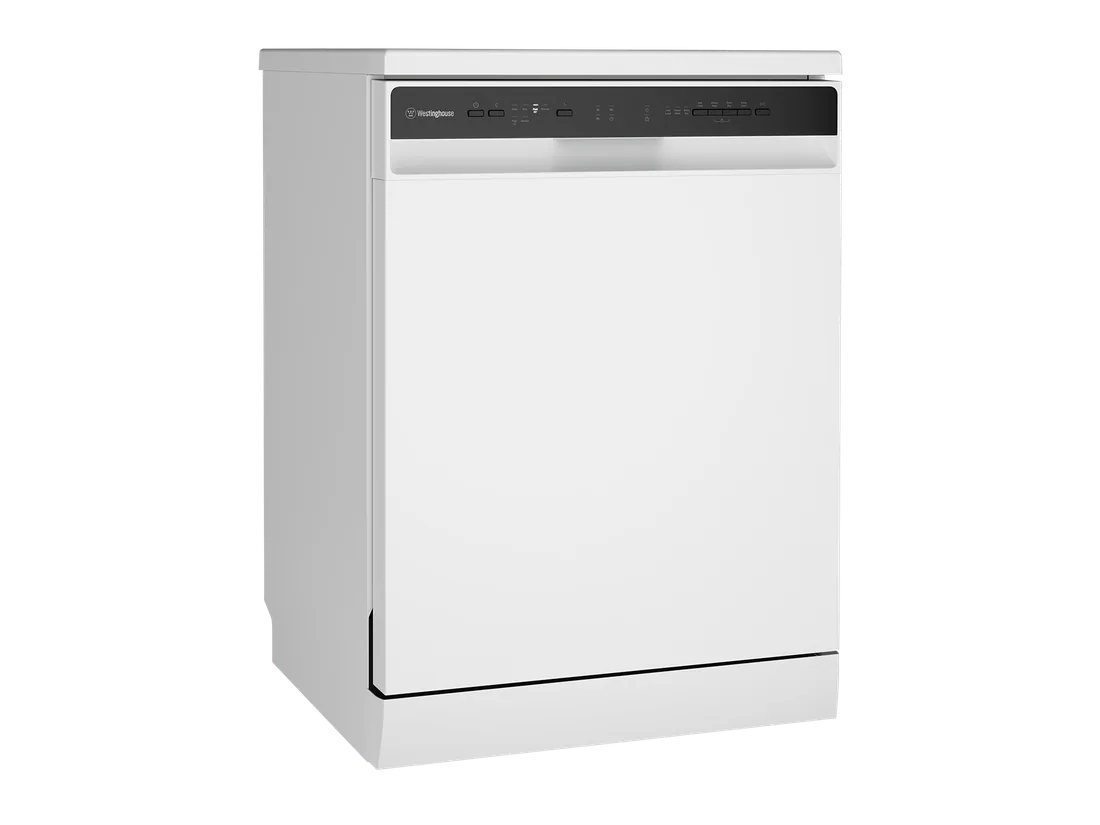
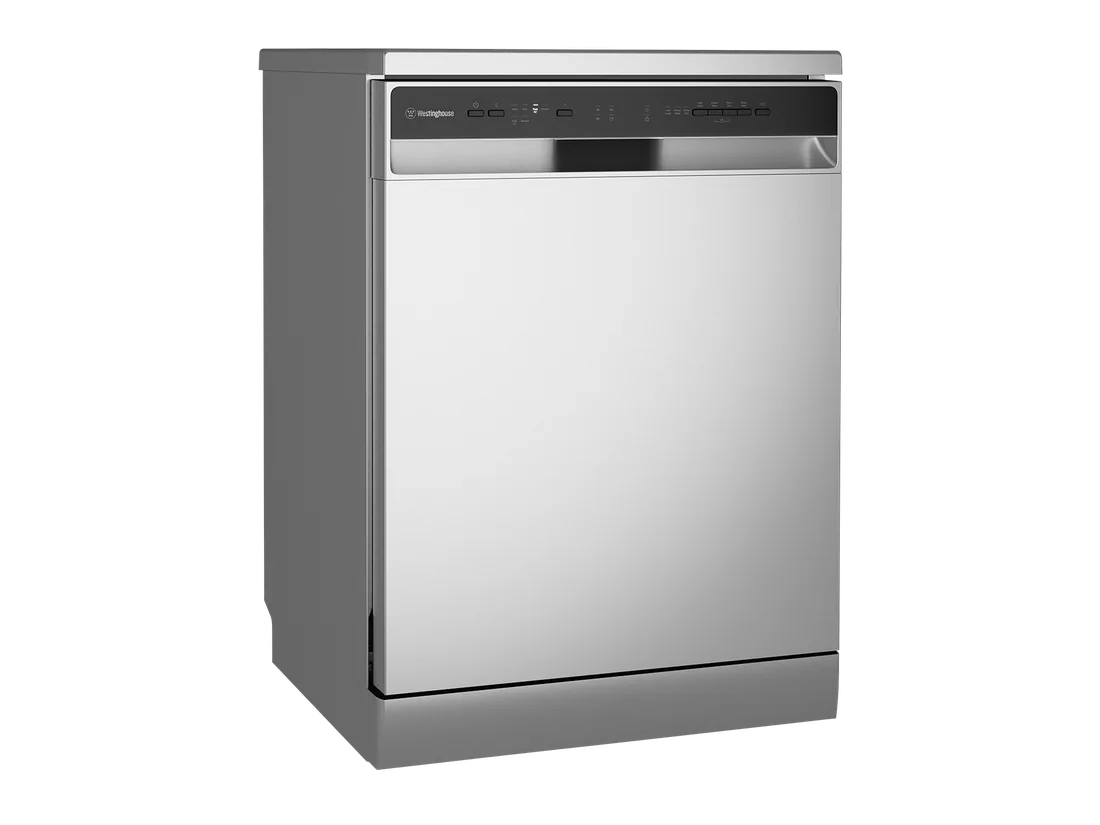
Freestanding dishwashers have their own exterior styling, while a built-under model is intended to sit beneath a continuous benchtop with its appliance door showing. Some freestanding models permit their top to be removed for an underbench installation. That permission must come from the model instructions: a removable-looking lid is not enough. Bosch describes this arrangement in its underbench guidance, but terminology can differ between product ranges. When comparing listings, write down the installation type and model number together. Treat a picture of a neatly fitted kitchen as inspiration, rather than proof of compatibility with your space.
Look at the whole opening
Compare the appliance drawing with your actual opening, including the floor and underside of the bench. Height adjustment has limits. A freestanding model with a top fitted may need a different opening from a related built-under appliance. Fisher & Paykel publishes separate dimensional information for its freestanding range, illustrating why the product name alone cannot settle the question. Check where the finished front will sit against neighbouring cupboards, and whether the handle projects into a walkway. In a corner kitchen, draw the open dishwasher door and the adjacent cupboard door on a simple plan before committing.
Choose around your kitchen routine
Imagine unloading breakfast dishes while someone prepares lunch. Can you stand beside the open door without blocking the sink? Can the lower basket pull out fully? A visually flush installation is useful only if it supports that routine. For an exposed end position, ask which exterior surfaces are intended to remain visible and what support the appliance requires. For an underbench position, ask the installer to assess fixing points, services and any specified moisture protection. Neither format should be treated as a movable appliance that can operate wherever there happens to be spare floor space.
Compare complete purchase costs
Build your shortlist around the machine, any required installation parts and the work needed to make it fit. A cheaper appliance can become a less attractive purchase if cabinetry needs alteration. Before buying from Value House, check the individual listing for condition, included parts and the applicable warranty details; these vary between appliances. Share the model instructions and photographs of the opening with a suitable qualified installer before arranging installation. If collecting, organise your pickup appointment and transport around the confirmed appliance dimensions. Resolving those practical details first makes the style choice much easier.
Before you buy
- Record the model number and permitted installation format.
- Measure the opening and mark the open-door footprint.
- Confirm included panels, fittings and listing condition.
- Obtain a model-specific installation assessment.
Sources & further reading
Prepared with AI assistance using the manufacturer and Australian guidance linked below. Check the exact model’s documentation when planning a purchase or installation.