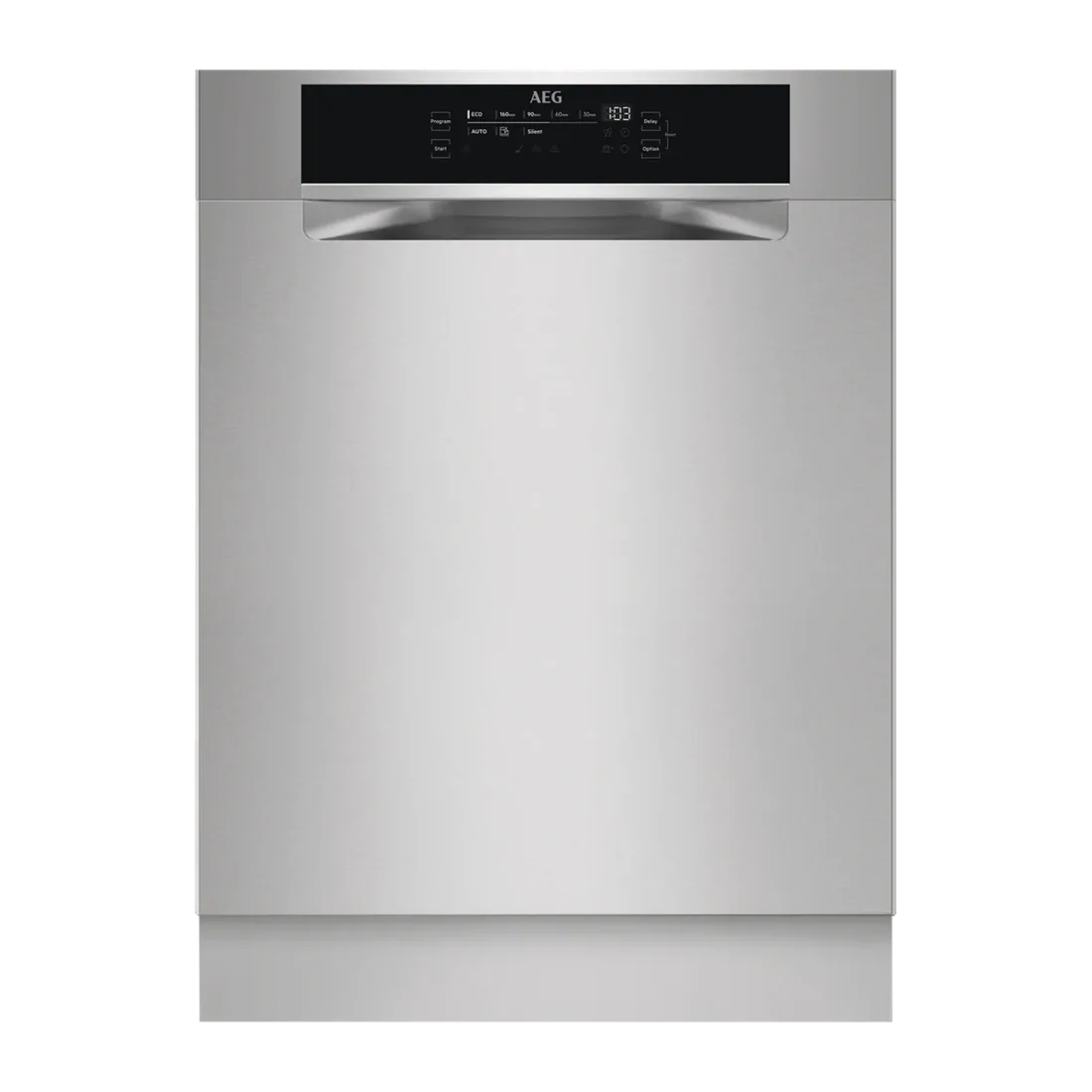
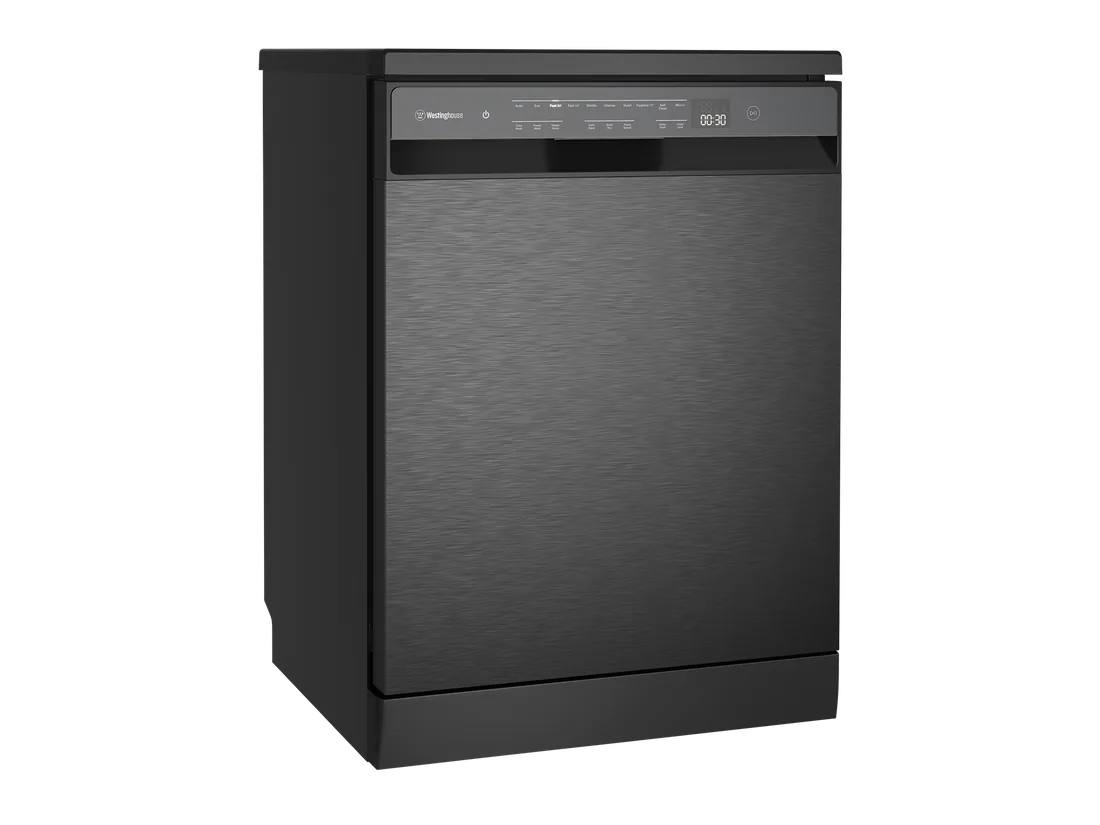
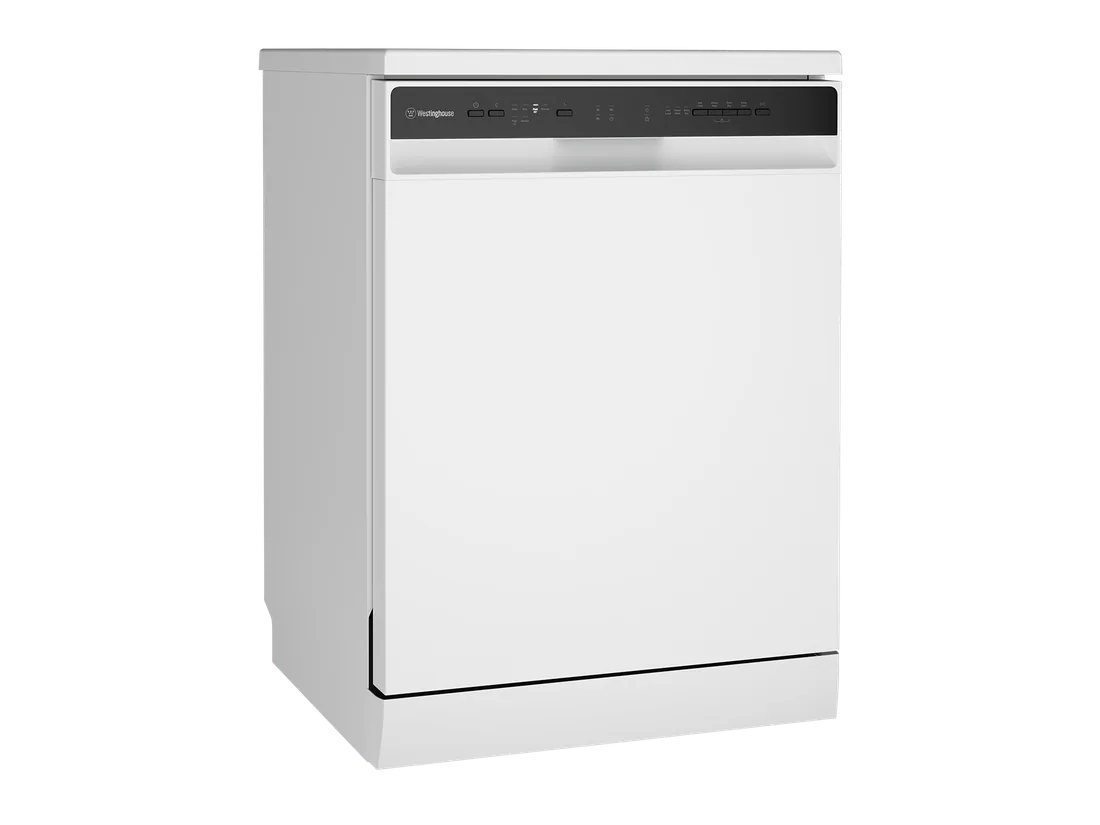
The key points
- Match cutlery storage to your loading and unloading habits.
- Moving a basket redistributes space between levels.
- Confirm the actual racks and supports included with the appliance.
Give the cutlery system a real task
A top cutlery tray spreads utensils across another level, while a removable basket groups them in a container within the main racks. Decide which arrangement matches how you load and unload. Someone who likes sorting cutlery before washing may value a tray; someone who carries cutlery to a drawer may prefer a lift-out basket. Check the space around handles and large utensils, and establish whether the arrangement is included with the specific machine. There is no need to declare one format universally better. The useful test is whether your spoons, serving tools and daily dishes share the interior comfortably.
Follow the trade-off when a rack moves
An adjustable upper basket can create room for taller items below, but it changes the available room above. Samsung’s Australian rack guidance explains height adjustment and recommends making the adjustment before loading dishes on the models it describes. Follow the mechanism and limits in your own manual. During a comparison, picture the same load with the rack in each permitted position. A tall plate below and a tall glass above may compete for the same vertical space. Check that the basket seats correctly and that water-feed connections and spray-arm movement remain as the manufacturer requires after an adjustment.
Distinguish flexible storage from easier reach
Folding tines alter how items sit inside a basket. A lifting lower basket changes where you handle them. AEG’s ComfortLift design, for example, raises the lower basket for loading and unloading; it is a different feature from simply changing upper-rack height. Consider which task feels awkward to you. If bending is the issue, a demonstration of a lifting mechanism may be more useful than another photograph of extra plate slots. Ask to see the permitted operation and any loading limits, then compare the effort of reaching the back of the rack with the cookware you expect to use.
Inspect the actual basket set
Create a short comparison load: your largest everyday dinner plate, a deep bowl, a tall glass and a serving utensil. Measurements are usually enough to begin a conversation if you cannot bring the items. Look for stable support and a clear path for washing water, without crowding pieces together merely to claim they fit. On a Value House listing, confirm the racks, tray, cutlery basket and removable supports supplied with that appliance. Review condition photographs for those components as well as the outer door. If viewing by appointment, use the visit to understand the adjustments and loading space, then choose the layout that makes your normal routine straightforward.
Before you buy
- List the dishes that are hardest to accommodate.
- Compare tray and basket access with serving utensils.
- Check rack adjustment and lifting instructions for the model.
- Inspect included components and their stated condition.
Sources & further reading
Prepared with AI assistance using the manufacturer and Australian guidance linked below. Check the exact model’s documentation when planning a purchase or installation.