The key points
- Plan loading and maintenance movements before fitting cabinets.
- Stacking needs approval for the exact appliances and matching kit.
- A combo saves space but shares one drum and has separate load limits.
Draw the working space first
Measure the room, door openings, bench and service positions. Add the space you use for a basket, sorting and loading. Mark anything that projects into the room, including tapware and door handles. A simple scale drawing is enough to test whether you can stand in front of an open appliance without blocking the only exit.
Keep cabinet dimensions separate from required installation space. The exact model manual determines hose room, clearances, airflow and enclosure conditions. Check access to the detergent drawer, filter and water container as well. A machine that slides into a tight recess may be inconvenient to maintain or unsuitable for that enclosure.
Compare side-by-side and stacked options
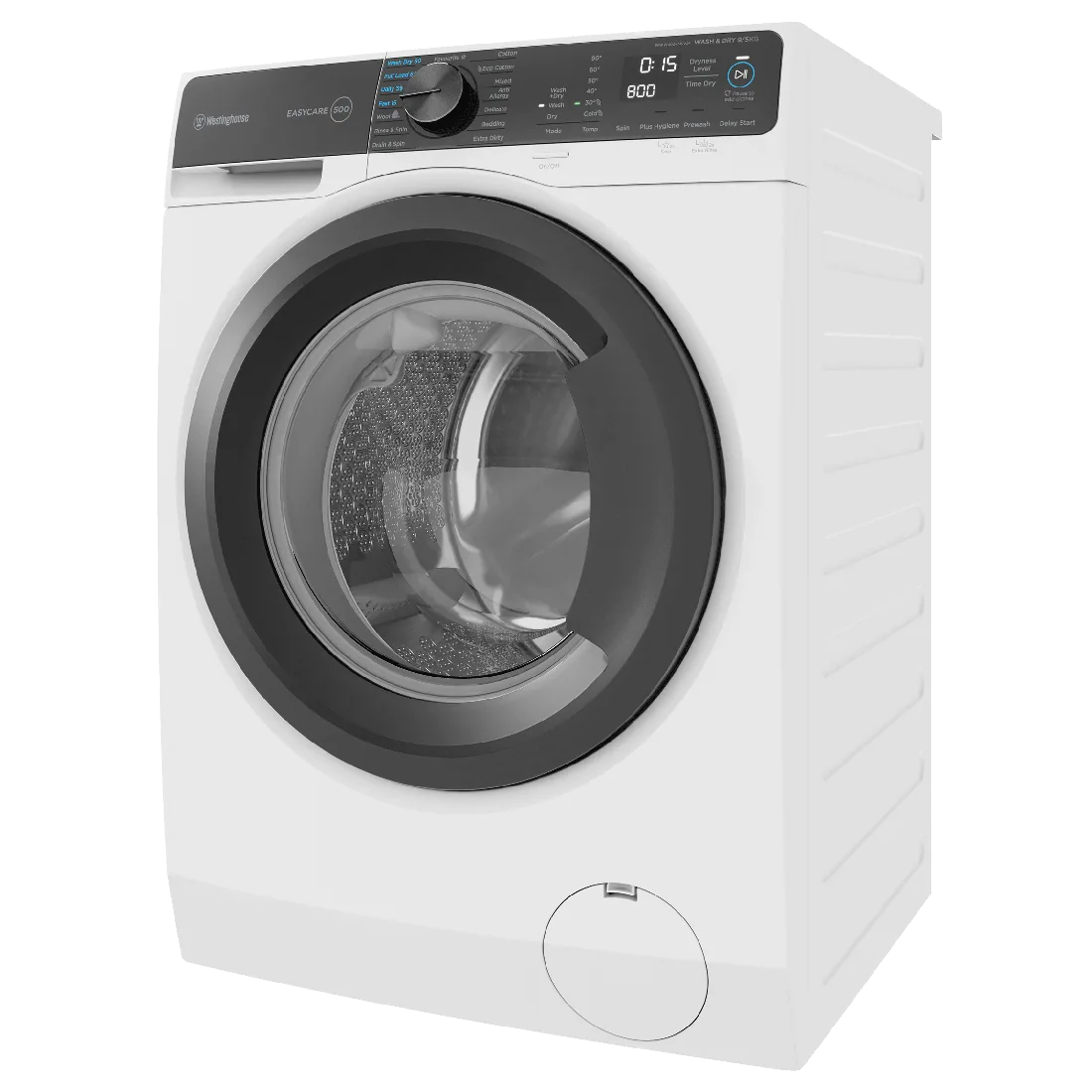
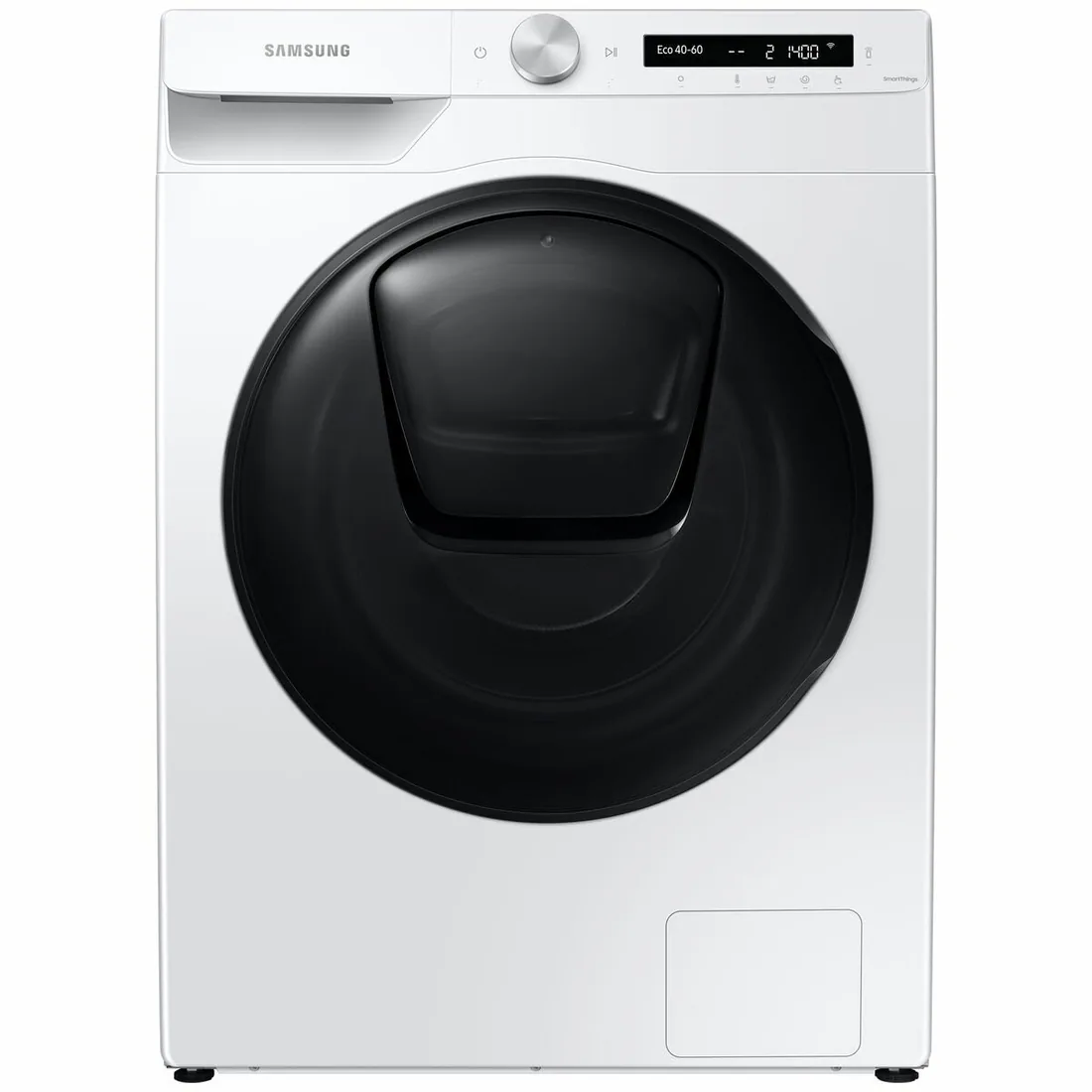
Side-by-side appliances may offer easier reach and a useful transfer route if the doors suit the room. Check the full door swing and whether any door reversal is permitted for the exact model. Do not assume that every front loader or dryer can be reconfigured to match the drawing.
A stack can reduce the floor area used by separate appliances, but it requires documented approval for the exact washer, dryer and manufacturer-approved matching kit. Include the kit and required clearances in the total height. Check that controls and routine care points remain safely reachable for the people using the laundry.
Consider a combo or a top loader deliberately
A washer dryer combo can release space for storage or a folding area, but one drum handles both stages. Read wash, dry and continuous program capacities separately, then map the laundry queue. Haier’s specifications illustrate why the drying number can differ from the washing number; check the limits for your chosen model.
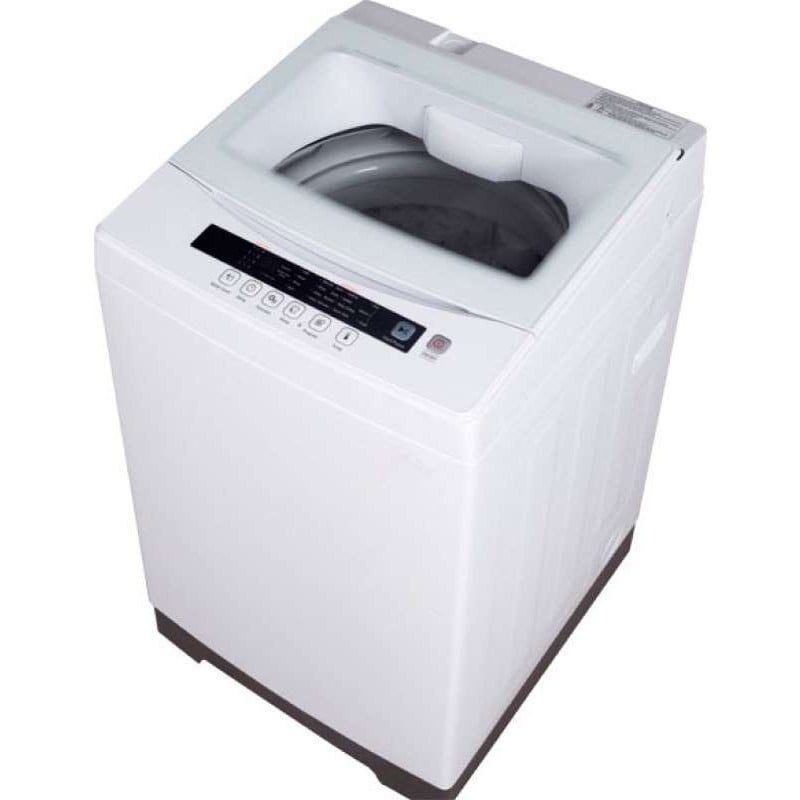
A top loader changes the space you need above the machine and the way you reach into it. Shelving and benches must allow the lid to open as required. Compare that loading position with a front loader rather than choosing solely from the width of the cabinet or an assumed standard laundry size.
Keep services and care accessible
Avoid using every spare centimetre for fixed storage before settling on an appliance plan. You still need the manufacturer’s ventilation, maintenance and service access. A dryer that collects water internally also has location requirements, and a vented model needs its approved exhaust and room airflow arrangement.
Have necessary changes to electrical or plumbing services assessed by the relevant qualified trades, including licensed work where required. Before purchasing at Value House, confirm the exact models, individual listing details and any approved accessories, then arrange pickup by appointment. Choose the layout that leaves a manageable path from dirty basket to finished laundry, with room to care for the machines.
Before you buy
- Draw services, doors and basket positions.
- Read each model’s installation requirements.
- Test reach and the transfer between appliances.
- Confirm the layout, accessories and qualified work needed.
Sources & further reading
Prepared with AI assistance using the manufacturer and Australian guidance linked below. Check the exact model’s documentation when planning a purchase or installation.